Inner Life

For the inner work that doesn’t shout. Emotional steadiness, self-trust, meaning, and the kinds of insights you only earn by living long enough to notice what actually matters.


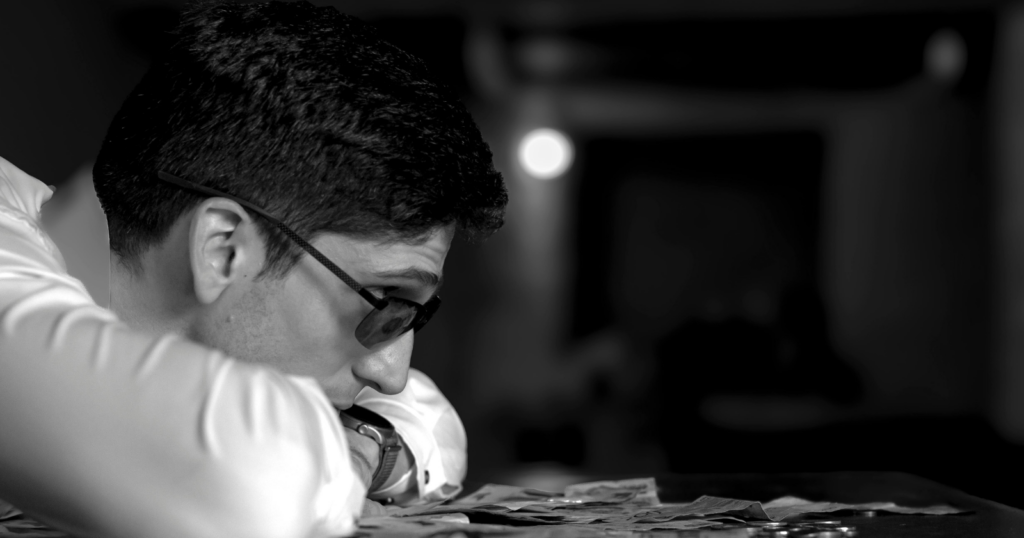
Close-up grayscale portrait of a serious man with hands to head, highlighting emotional intensity.

People who were told they were too sensitive as children don’t become less sensitive as adults. They become highly skilled at hiding it, and the cost of that performance shows up in their bodies decades later

The child who was told they felt too much didn’t stop feeling. They just got extraordinarily good at making sure no one could tell, and the body kept a precise record of every suppressed signal.

People who were told they were too sensitive as children don’t become less sensitive as adults. They become highly skilled at hiding it, and the cost of that performance shows up in their bodies decades later Read More »

A couple experiencing relationship tension sitting silently on a sofa.

People who pride themselves on rarely being a burden to anyone may not be displaying independence — they may be repeating a survival pattern where love felt conditional on being low-maintenance

The people who never ask for anything aren’t free of need—they’ve just learned to treat their own needs as the price of admission to love.

People who pride themselves on rarely being a burden to anyone may not be displaying independence — they may be repeating a survival pattern where love felt conditional on being low-maintenance Read More »

African American female teacher standing near whiteboard and giving lecture to ethnic teenagers during biology lesson

The reason some people physically struggle to ask for help, even when they’re injured or exhausted, may trace back to a childhood where needing something was treated as a burden

The body learns before language does that needing something from someone is the fastest way to lose them.

The reason some people physically struggle to ask for help, even when they’re injured or exhausted, may trace back to a childhood where needing something was treated as a burden Read More »

A thoughtful and introspective portrait of a woman leaning on her hand with a pensive expression.

The reason some people feel lonelier the more connected they are may not be a paradox — it may be what happens when human needs get rerouted through a screen

You’re not broken for feeling lonelier the more you scroll — you’re experiencing what happens when the nervous system gets taught that connection no longer requires risk.

The reason some people feel lonelier the more connected they are may not be a paradox — it may be what happens when human needs get rerouted through a screen Read More »

Scroll to Top