
Editor’s note: This article was originally published on Eluxe Magazine and has been updated and republished in August 2026 under The Vessel’s editorial standards.
For thousands of years, silk has been associated with luxury. From emperors’ robes to the scarves of royal courts, the fabric became shorthand for wealth and refinement across cultures and centuries. The material’s softness, drape, and quiet sheen are still without equal in the textile world.
But conventional silk production carries a cost that is rarely visible to the wearer. To emerge from its cocoon, the silkworm releases an enzyme that dissolves the filaments, breaking the thread. To preserve the integrity of the fibre, the worm is most often killed inside the cocoon before it can complete its metamorphosis. A single garment can require thousands of these cocoons. None of that has to be true anymore.
Designers, textile scientists, and slow-fashion brands have spent the past decade building alternatives that preserve the experience of silk without the harm — fabric grown from lotus stems, fermented from yeast in a lab, spun from recycled cotton, and even made from discarded orange husks. The six below are the most established. None require an animal to die. Several offer environmental advantages on top of the cruelty-free credentials. A handful are luxurious enough to rival natural silk on its own terms.

Cupro
Cupro is a cellulose-based fabric made from recycled cotton and other cellulose-based fibres that would otherwise be discarded. Turning this waste stream into a silk-like fabric represents a clean case of upcycling.
The drawback sits at the production stage. Cupro requires copper, ammonia, and caustic soda to break down and harden the fibres. All three are toxic when not contained properly, and the processing infrastructure required to handle them responsibly is a material part of whether any given cupro garment can credibly be called sustainable.
When responsibly produced, cupro delivers the smoothness and faint sheerness of natural silk along with a comfortable drape. Newer producers have steadily improved the sustainability of the process.
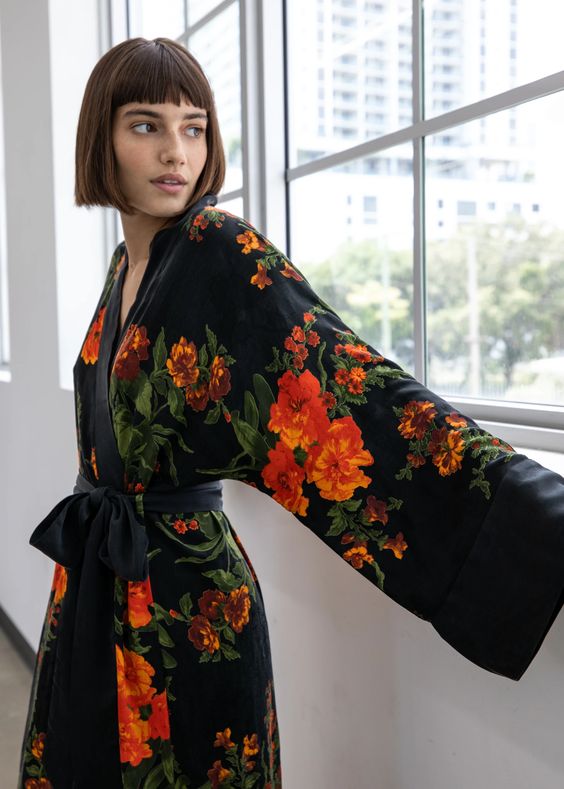
The brand Niluu, founded by designer Nulufer Bracco, specialises in cruelty-free kimonos, pillows, and sleeping masks. Several mainstream luxury houses including Loewe have also incorporated cupro into their collections.
Spider silk
Natural spider silk is one of the most extraordinary materials in nature. Weight-for-weight, the thread is stronger than steel and nearly as elastic as rubber. Proposed applications have ranged from bulletproof vests and biodegradable water bottles to shoes and jackets. The 2009 exhibition at the American Museum of Natural History in New York displayed a textile made entirely from the silk of the golden silk orb-weaver spider — the only large piece of cloth ever woven from natural spider silk. Efforts to bring natural spider silk to mass production have so far failed.
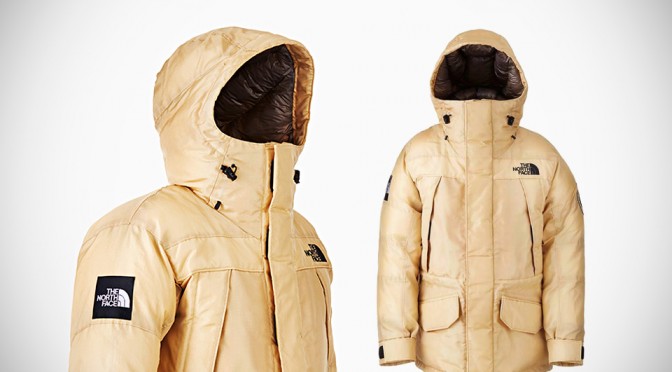
The breakthrough came from biotechnology rather than agriculture. The company Bolt Threads developed a fermentation process that produces a fabric molecularly equivalent to natural spider silk — with a few small variations — using yeast, water, and sugar. No spiders are involved at any point in production.
Lotus silk
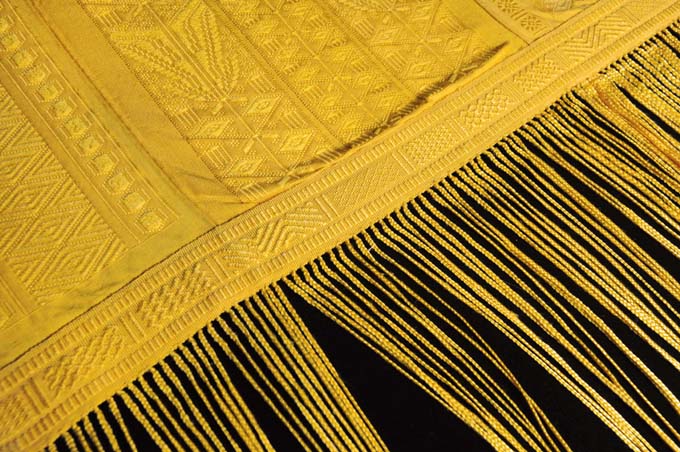
Lotus silk is among the world’s rarest and most sacred threads. Natural colours range from café latte to deep mocha, with subtle hue variations from garment to garment that guarantee each piece is one of a kind.
The material comes from the stems of lotus flowers that would otherwise be discarded after the blossom is cut. Producing even a small quantity of handwoven cloth requires thousands of stems, extracted and spun by hand. The process is laborious and slow, which is part of why lotus silk commands a premium price.

The fabric’s properties justify the price. Lotus silk is naturally soft, light, and breathable. Unlike conventional silk or linen, it is difficult to wrinkle. It requires no finishing chemicals or toxic processing agents, making it one of the most ecologically clean luxury textiles available.
Two brands are worth knowing. Moyadi sources lotus silk with strict ecological standards and packages its scarves and wraps in reusable glass containers. Maylyn & Co. handpicks its lotus fibres from sustainable farms in Persia without hazardous pesticides or chemicals.

Bamboo (art silk)
Bamboo is a famously sustainable plant: it grows quickly, requires no pesticides, and regenerates without replanting. Bamboo fabric, however, is more complicated than the plant’s reputation suggests. Two production methods dominate the industry, and they produce very different sustainability outcomes.
The mechanical process crushes bamboo fibres until natural enzymes break them down into a soft pulp, which is then combed and spun into yarn. The result is sometimes called bamboo linen and carries the texture of raw silk. This method uses no chemical solvents and produces a fabric that is both biodegradable and clean to manufacture.
The chemical process is far more common in mass-market production. It involves bathing bamboo leaves and shoots in caustic soda and carbon disulfide — a process known as hydrolysis alkalization. The resulting textile resembles modal or rayon and is sometimes marketed as bamboo silk. Independent research has linked carbon disulfide exposure to serious worker-health risks, and roughly half of the solvent used in the process is not recovered — the remainder is released into the environment through wastewater and air emissions.
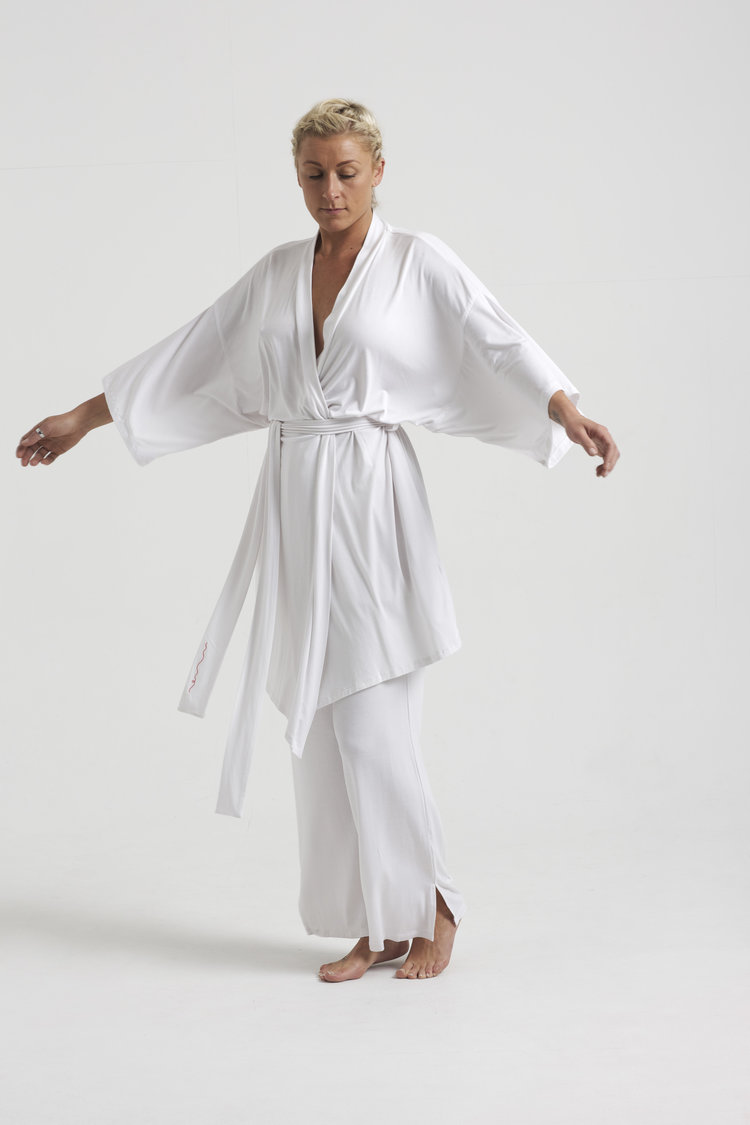
The two methods produce fabrics with similar feel but very different ecological footprints. Bamboo Blonde, an Australian label popular in Byron Bay and Bali, builds its summer collections around bamboo fabric. Kokoro Organics produces Oeko-Tex certified bamboo kimonos, loose tops, and trousers that protect against UV.
Ramie
Ramie is one of the oldest textiles still in commercial use. The fibre comes from a flowering plant in the nettle family and has been in use for more than 6,000 years, with centuries-long traditions of cultivation in China, Brazil, Indonesia, and the Philippines. Despite its age and reach, it remains relatively unknown to Western consumers.
The fabric has the look, feel, and drape of raw silk. It works well in blouses, dresses, scarves, and wraps.

The Italian label Balossa has built its entire collection around ramie. Joslin, a brand committed to using natural fibres throughout its line, frequently turns to ramie for its high-end pieces and treats synthetic fibres only as a fallback when no natural alternative exists.
Orange silk
Orange silk is perhaps the most unexpected fabric on this list. The material is made from the discarded husks of oranges left over by the juicing industry — a waste stream that would otherwise be sent to landfill.
The fibre, called Orange Fiber Fabric, debuted in high fashion through Salvatore Ferragamo’s Mediterranean capsule collection, which used motifs drawn from the citrus groves of Sicily. The collaboration brought a previously experimental material onto the runway and into the press.
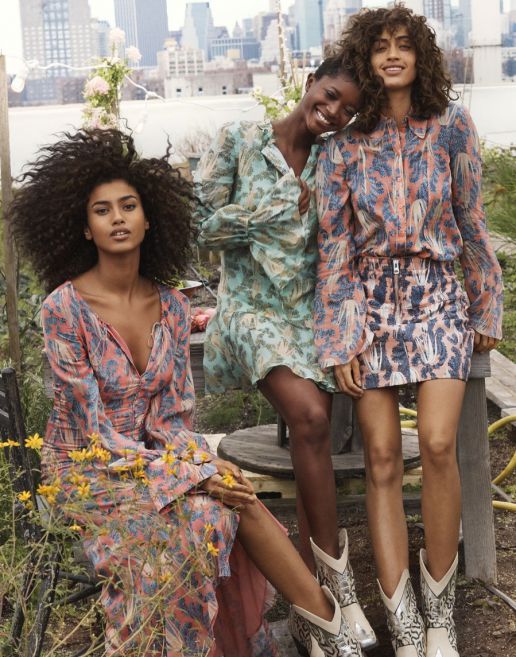
The fabric reached a broader audience through the 2019 H&M Conscious Exclusive collection, which integrated Orange Fiber into mainstream retail garments. Surviving pieces from that collection now circulate primarily through secondhand and collector channels.

A note on peace silk
Peace silk, also known as Ahimsa silk, occupies a complicated position in the conversation about cruelty-free textiles. The fabric was developed in 1990 by Kusuma Rajaiah, a government officer in India, who applied the principles of Ahimsa — the non-violence tradition central to several South Asian philosophies — to silk production.
Conventional silk relies on killing the silkworm inside its cocoon to preserve the unbroken fibre. Peace silk takes a different path: the silkworm is allowed to complete its metamorphosis and emerge from the cocoon naturally. The damaged cocoon is then spun into shorter, slightly more irregular threads. The result is a softer hand and a more distinctive textile character than commercial silk.

The economic case for peace silk is difficult. The process adds a significant stretch of time to the production cycle, since the larvae must be allowed to develop and the moths must hatch before any fibre can be harvested. The damaged cocoons also yield around six times less filament per worm than intact ones. Together, these factors push the price of peace silk to roughly double that of conventional silk.
Peace silk also sits in a grey zone for strict vegan standards. While no silkworm is killed in the production of the fabric, the practice still depends on silkworm farming, and some advocates consider any commercial use of an insect a form of exploitation. Whether peace silk qualifies as ethically distinct from conventional silk is a judgment call rather than a clean-cut answer.
The British label Ayten Gasson, founded by designer Ayten Roberts in 2005, demonstrates what can be done with organic peace silk in lingerie. The Italian designer Tiziano Guardini works extensively with peace silk in both ready-to-wear and bridal collections, often pairing it with other innovative plant-based materials.

The case for vegan silks
None of the fabrics above will replace conventional silk overnight. Lotus silk is too rare and labour-intensive for mass production. Spider silk remains expensive enough that it lives mostly in capsule collections and biotechnology pilot runs. Orange Fiber Fabric depends on a juicing industry with a finite supply. Cupro requires careful chemical-handling infrastructure. Bamboo’s sustainability turns on the process the manufacturer uses.
What the alternatives offer collectively is choice. Each fabric handles differently, takes dye differently, and rewards different design approaches. Together, they show that the look and feel of silk does not require an animal.
The fabrics on this list represent the leading edge of a steadily widening field. New entrants appear every year, often built on agricultural waste streams or fermentation processes that did not exist a decade ago.