
Editorial note: This article was originally published on My Inner Creative and has been updated and republished in May 2026 under The Vessel’s editorial standards.
A bullet journal is a steady place for the small repeated measurements that make up a fitness routine. Weight, water, food, movement, sleep, and steps are all things that change slowly and that people tend to lose track of when those changes are not written down somewhere visible. A weight loss tracking layout is simply a page set up to hold those numbers in one place over time, so that what would otherwise be a memory becomes a record.
The spreads collected below were originally featured on My Inner Creative as a survey of how a bullet journal can be used for fitness and weight loss tracking. They span dashboards, weekly check-ins, food and water logs, workout tables, and the various visual shorthand that journalers reach for when they want a year of small data on a single page. None of these layouts are prescriptive. They are formats that have worked for the people who drew them, and that other people have adapted to fit a notebook they already own.
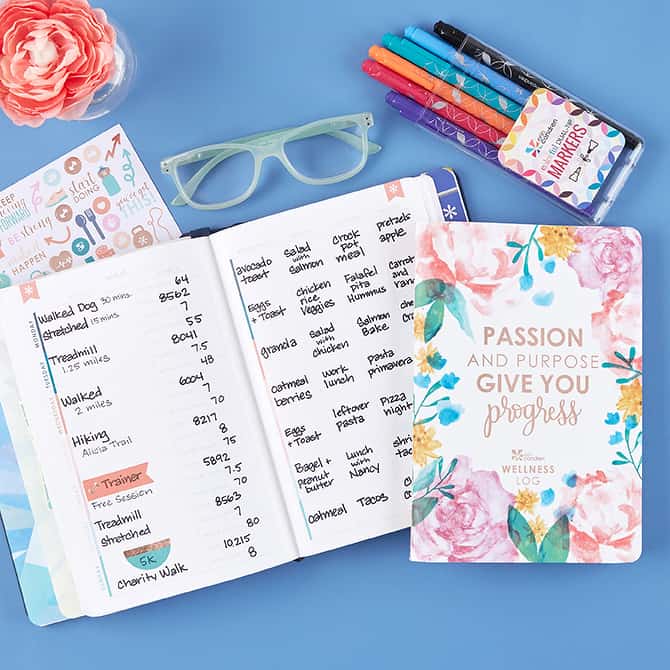
A practice, not a programme
The most useful thing a tracking layout does is shift attention from an outcome to a routine. The page is not measuring success in pounds or kilograms; it is measuring whether the journaler showed up to draw the line that morning. Weeks where the tracker is filled in tend to be weeks where the underlying habits actually got done, and weeks where the tracker is blank tend to be weeks where the practice fell away for the usual reasons — travel, illness, work, a hard fortnight. The page records both, without judgement, and that record is the thing that is useful later.
For the same reason, the layouts below should be read as visual containers rather than instructions. A water tracker is a row of empty circles; a weight tracker is a small grid with dates and numbers; a workout tracker is a checklist. They are flexible enough to be filled in any number of ways, and stripping them back to that simplicity is part of why they keep working from one notebook to the next.
Setting a clear goal first
Before the tracking spreads come the goal pages. A goal that is written down in specific terms — a target weight, a number of workouts per week, a daily step count, a particular distance — is easier to break into small movements that fit inside a single day. Several of the dashboards in the gallery below dedicate the first page to a goals summary, with the day-to-day tracking that follows it on the next spread.
The goal does not have to be about a number on a scale. Many journalers use the same layouts to track fitness markers that have nothing to do with weight: hours of sleep, minutes of strength training, a weekly walk, daily mobility work, a return to a sport after an injury (anyone returning to activity after an injury should follow the guidance of a healthcare professional). The bullet journal is neutral about which marker is being followed. It only requires that the marker be defined clearly enough to be written down each day.
What people commonly track
A weight loss bullet journal typically holds some combination of the following:
- A goals page that breaks the broader objective into smaller weekly targets.
- A weight and measurements log, often updated weekly rather than daily.
- A water intake tracker, usually a row of small circles or droplets per day.
- A meal plan and a separate food log to compare what was planned with what was eaten.
- A workout tracker, often a grid of the days of the month with one row per movement type.
- A step tracker that feeds in from a wearable or a phone count.
- A monthly review page, used at the end of each month to see what changed.
Not every layout includes all seven. The simplest weight loss spreads in the gallery below use only two or three. The most elaborate use a full two-page spread per week and a separate dashboard for the month. What matters more than the number of trackers is whether the journaler will actually open the page and fill it in on the days when motivation is low.
Weight and measurements
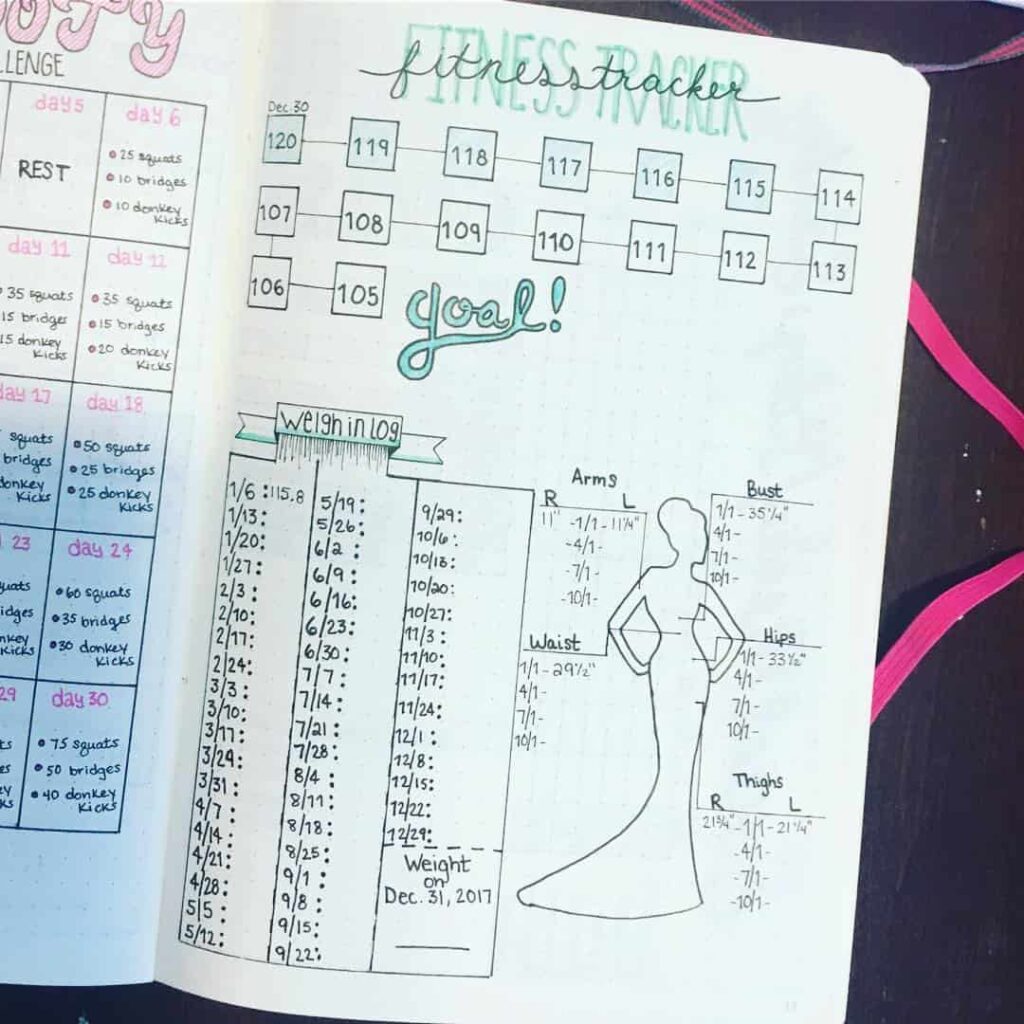
A weight log is the most direct of the layouts: a small grid with a column for the date and a column for the number, usually filled in once a week on a consistent day. Several of the spreads below add a second column for body measurements taken at the same time, because measurements often move when the scale does not, and a record that includes both shows changes that a single column of weights can miss.
The format works equally well as a chart. A line graph drawn across the top half of a notebook page with the months on the horizontal axis and the measurement on the vertical axis is a familiar layout in this gallery. The drawn graph is slow to fill in, but it shows a trend in a way that the numbers alone do not.
Workouts and movement
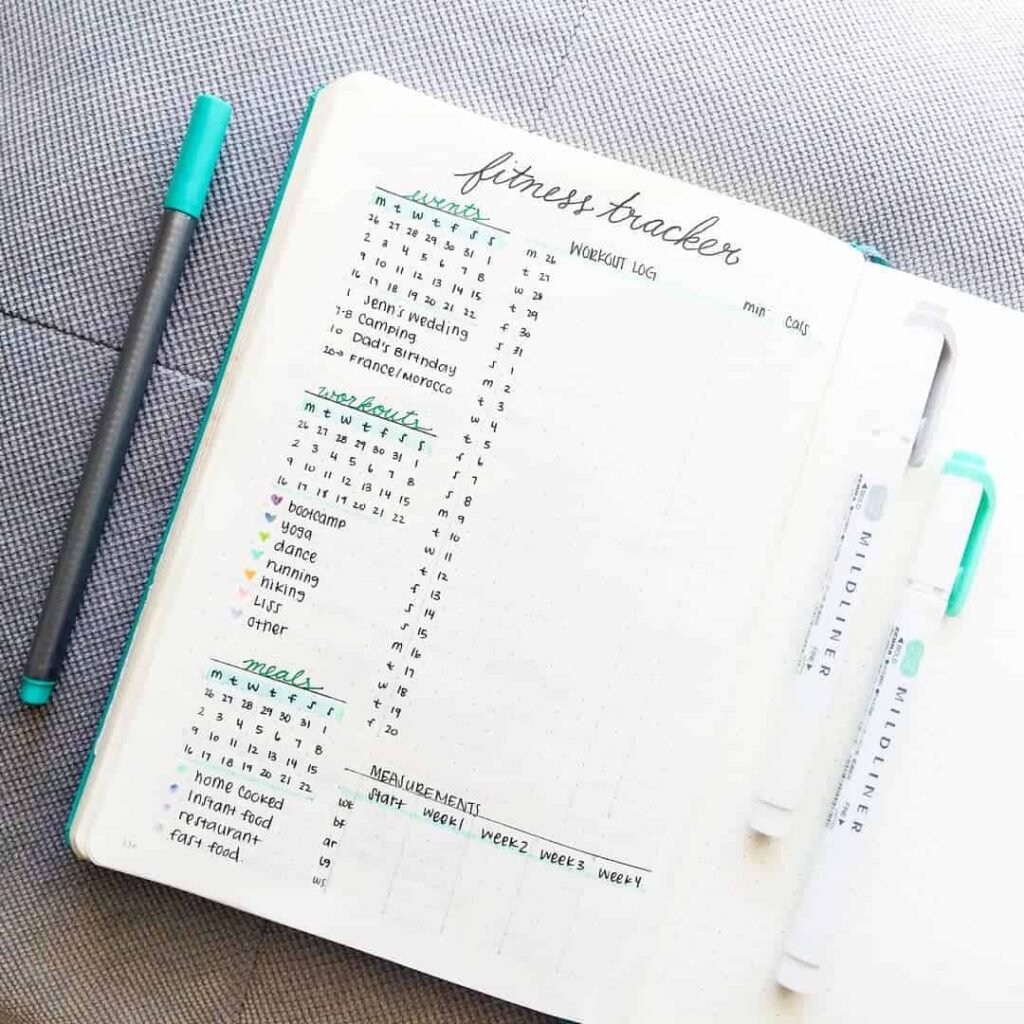
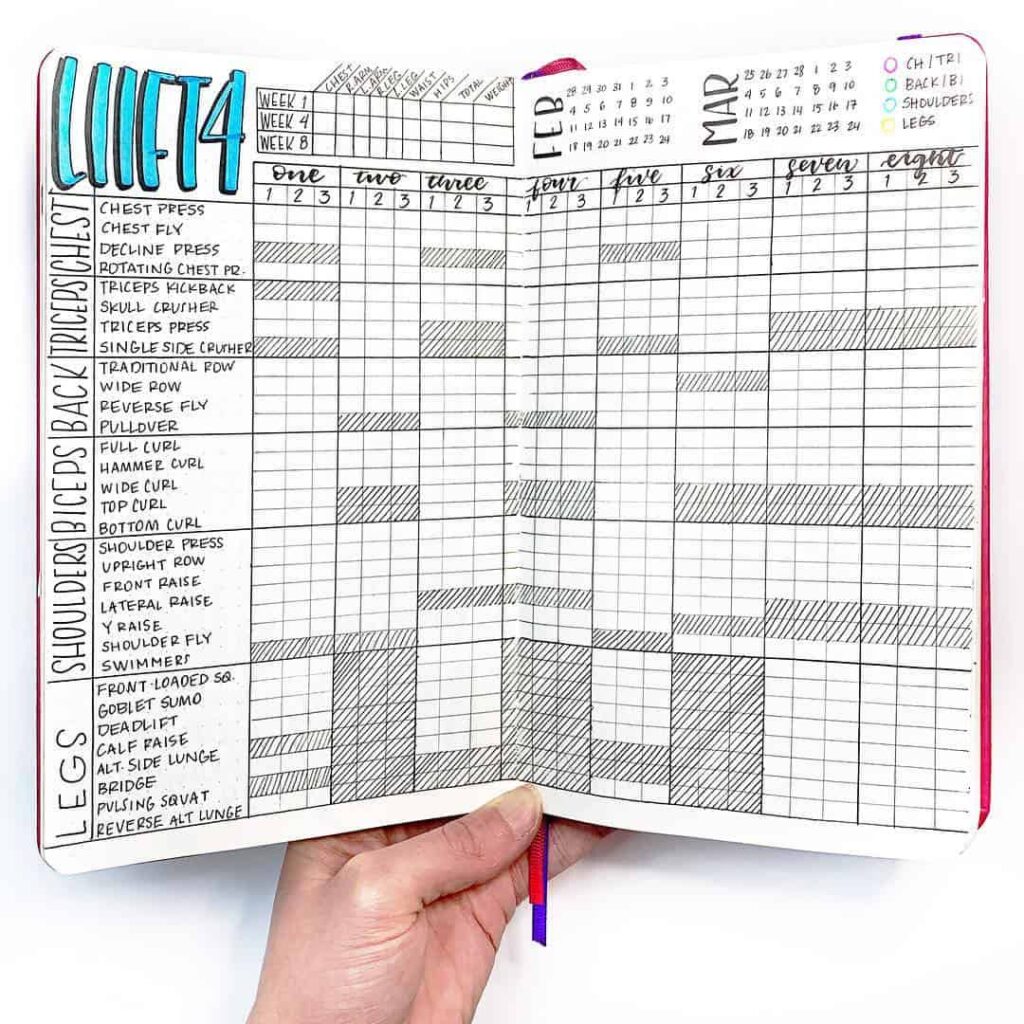
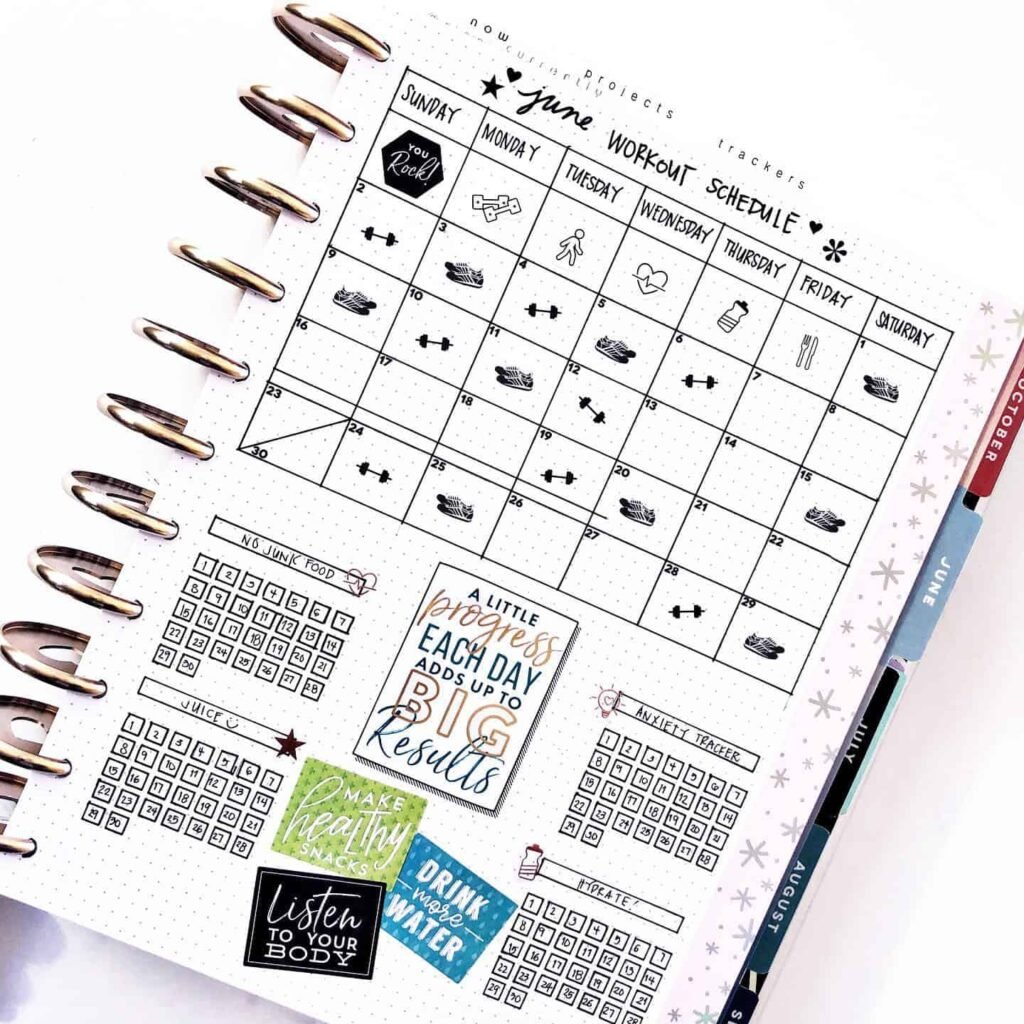
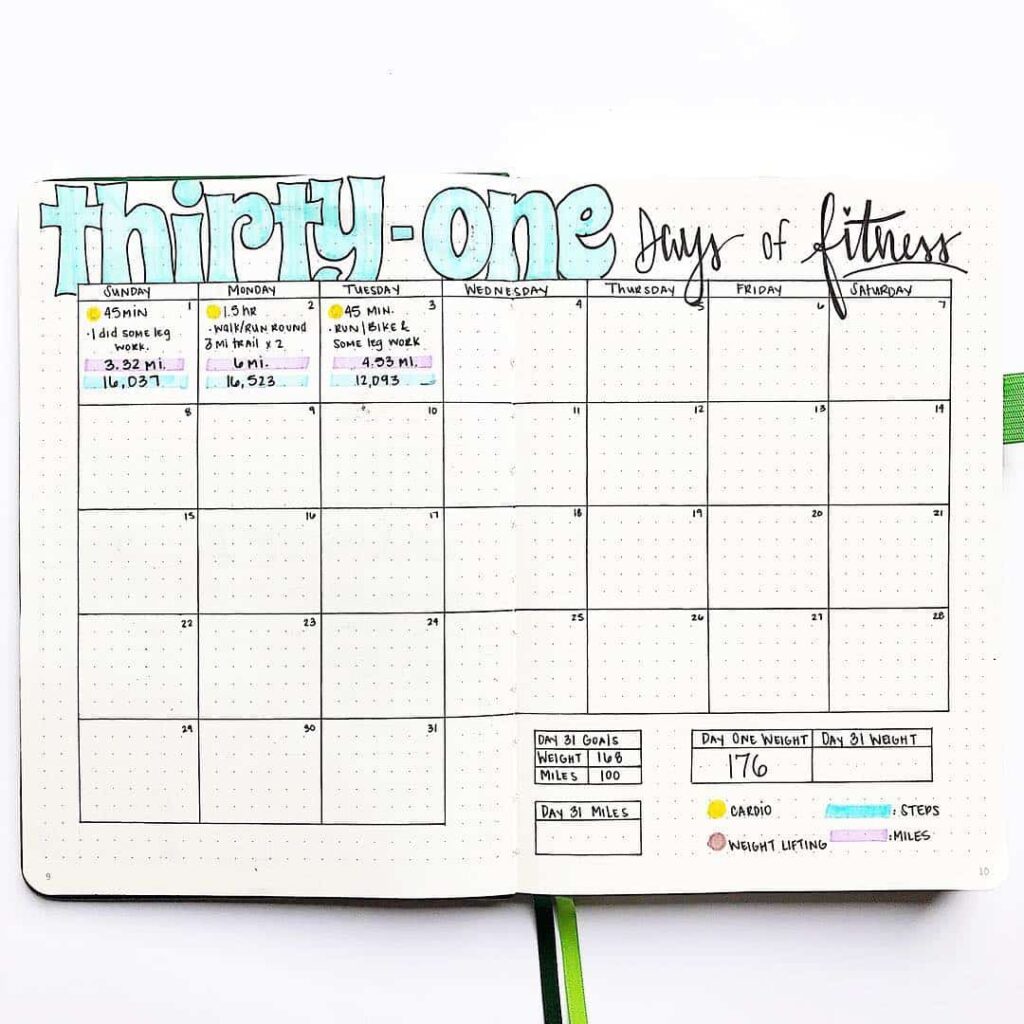
A workout tracker is usually a grid: days of the month along the top, types of movement down the left side, and a box at each intersection that is filled in or shaded when the corresponding workout happens. The grid format is durable because it makes both effort and gaps visible at a glance — a week with three filled rows looks different from a week with one, and the difference shows up without needing to count.
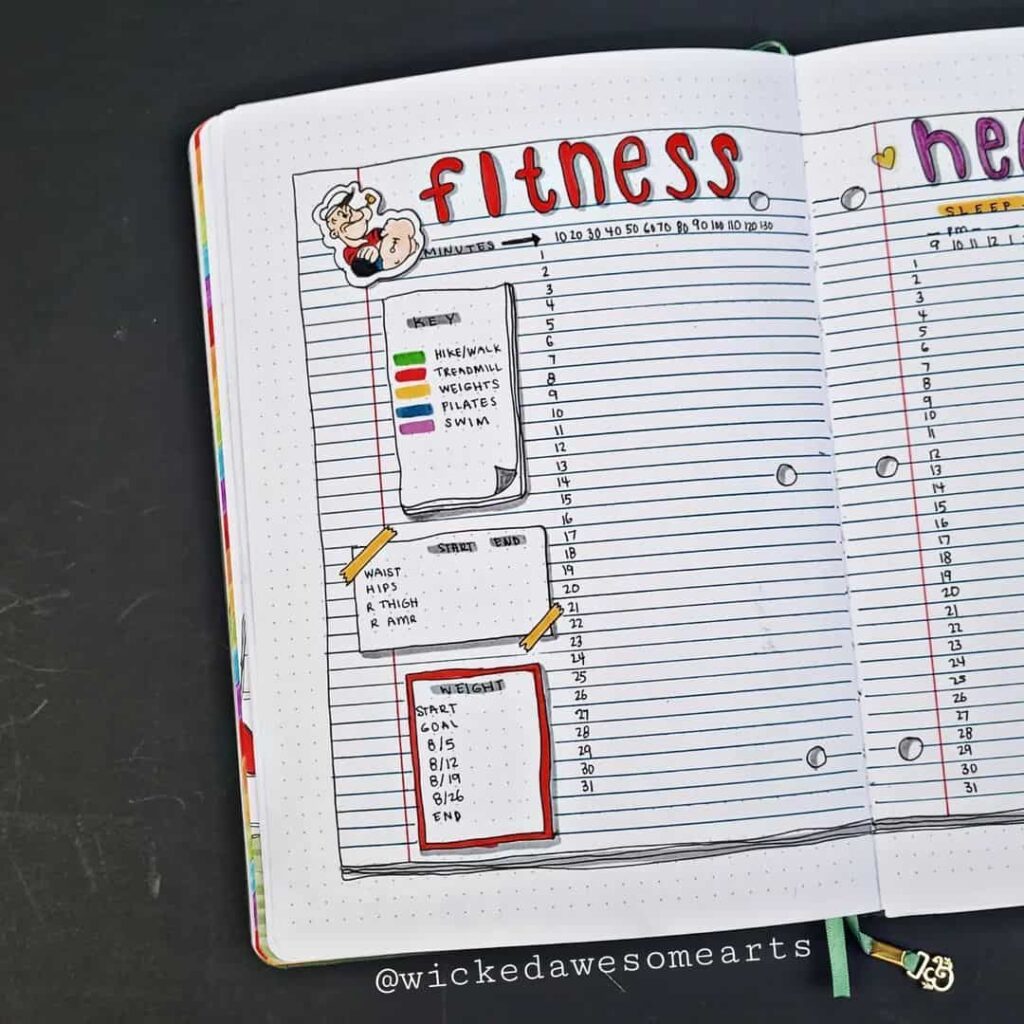
Some of the spreads in the gallery break the workouts down further into categories: cardio, strength, mobility, walking, and rest. Others stay simple, with a single row per day for whatever movement happened. A few use a circular layout instead of a grid, with the days of the month arranged around a wheel. The visual format matters less than the consistency of marking, and the layouts that tend to be used for the longest are the ones that are fastest to draw when the page is being set up for the week.
Food and water
Water trackers are among the easiest spreads to maintain. A row of eight small circles per day, shaded in as each glass is drunk, is enough to give a visible pattern across the week. Some spreads add a second row for tea or coffee, or a small note for the day’s caffeine total. The data is rough, and the format does not try to be more precise than that.
Food and meal planning spreads vary more widely. The simplest are weekly meal planners — a column for each day of the week and a row for each meal — used to lay out what will be cooked or eaten before the week begins. The more detailed are running food logs that record what was actually eaten alongside the plan, with space for notes about how the day felt afterwards. Meal planning is described in several spreads as a way to settle the week’s food before the grocery shop, so that the question of what to eat does not have to be answered at the last minute in the aisle.
Steps and daily movement
A step tracker is often the simplest page in the notebook. A short table with the days of the month and a target step count is enough to show a pattern, and the data tends to come from a phone or a wearable rather than from manual counting. The spreads below include several variations, from a basic numbers grid to a row of small icons that fill in as the target is reached for the day.
The step tracker is one of the layouts that benefits most from being kept simple. The page is opened once at the end of the day to log a single number, and the rest of the layout is decorative. The trackers in the gallery below that stayed in use are mostly the ones that ask very little of the journaler beyond writing the number down.
Weekly check-ins and monthly review
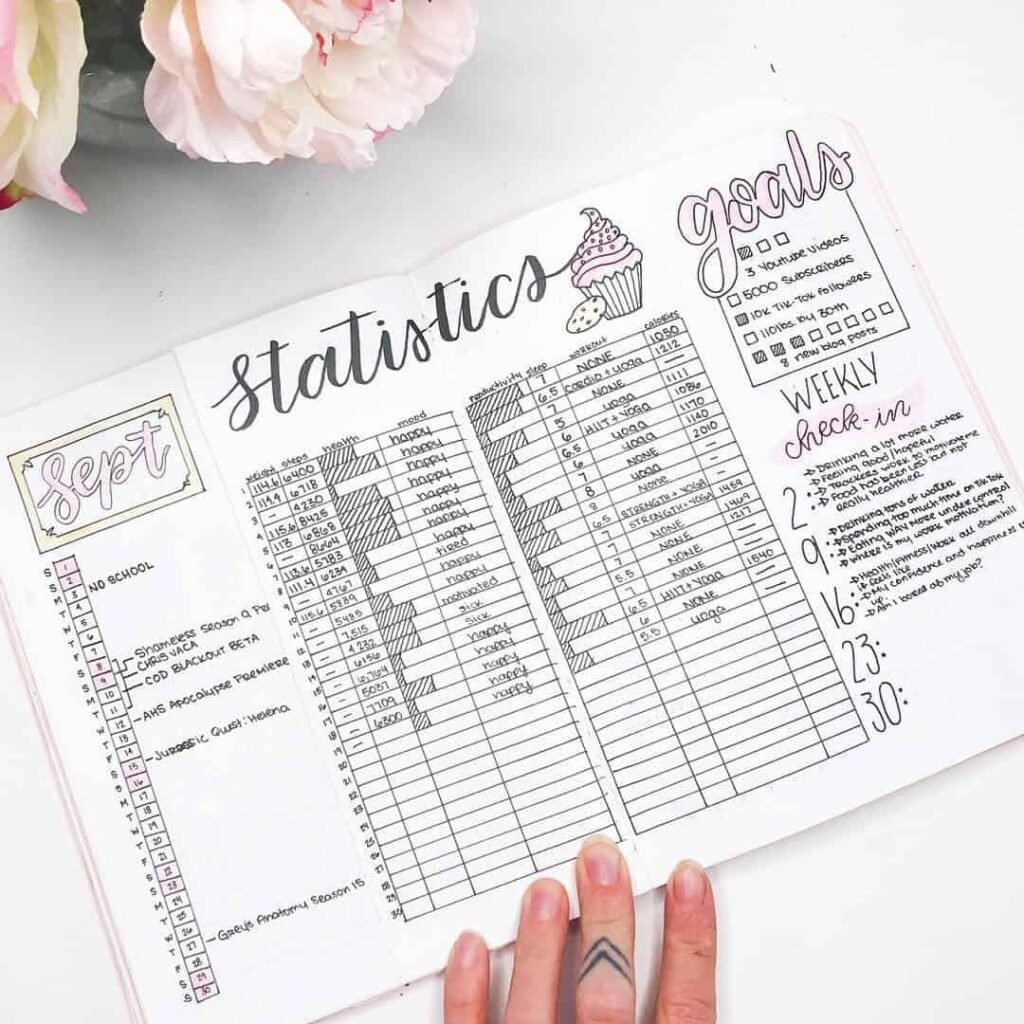
Two pages return repeatedly in the gallery below. The weekly check-in is a half-page review used on a consistent day each week, usually a Sunday, to record measurements, summarise the week’s movement, note what worked, and note what did not. The monthly review is a similar exercise scaled up to the month, with space to see the trend in the data and to set the next month’s goals from what the previous month produced.
The check-in pages do less work in any single sitting than the daily trackers, but they are often where the journaler sees the shape of a month rather than the shape of a single day, which is what the weekly and monthly reviews are set up to make visible.
71+ featured weight loss bullet journal layouts
The spreads collected below come from the My Inner Creative community and are grouped by the type of tracking they hold. Most of them can be redrawn in a notebook with a pen and a ruler, and most are flexible enough to adapt to a wider or narrower notebook than the one they were originally drawn in. They are included as a visual reference rather than a recommendation, and any individual layout below is one of many that would work for the same purpose.
Weight loss and exercise dashboards
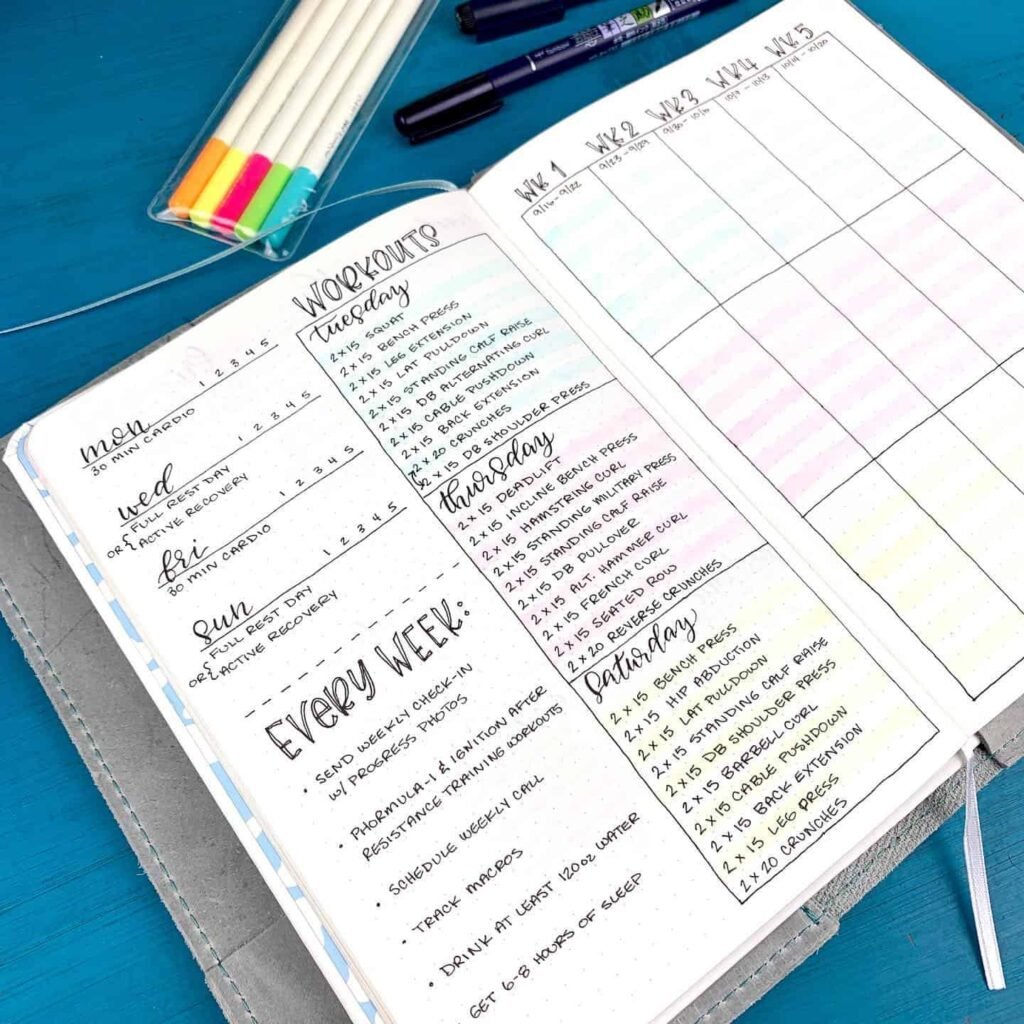
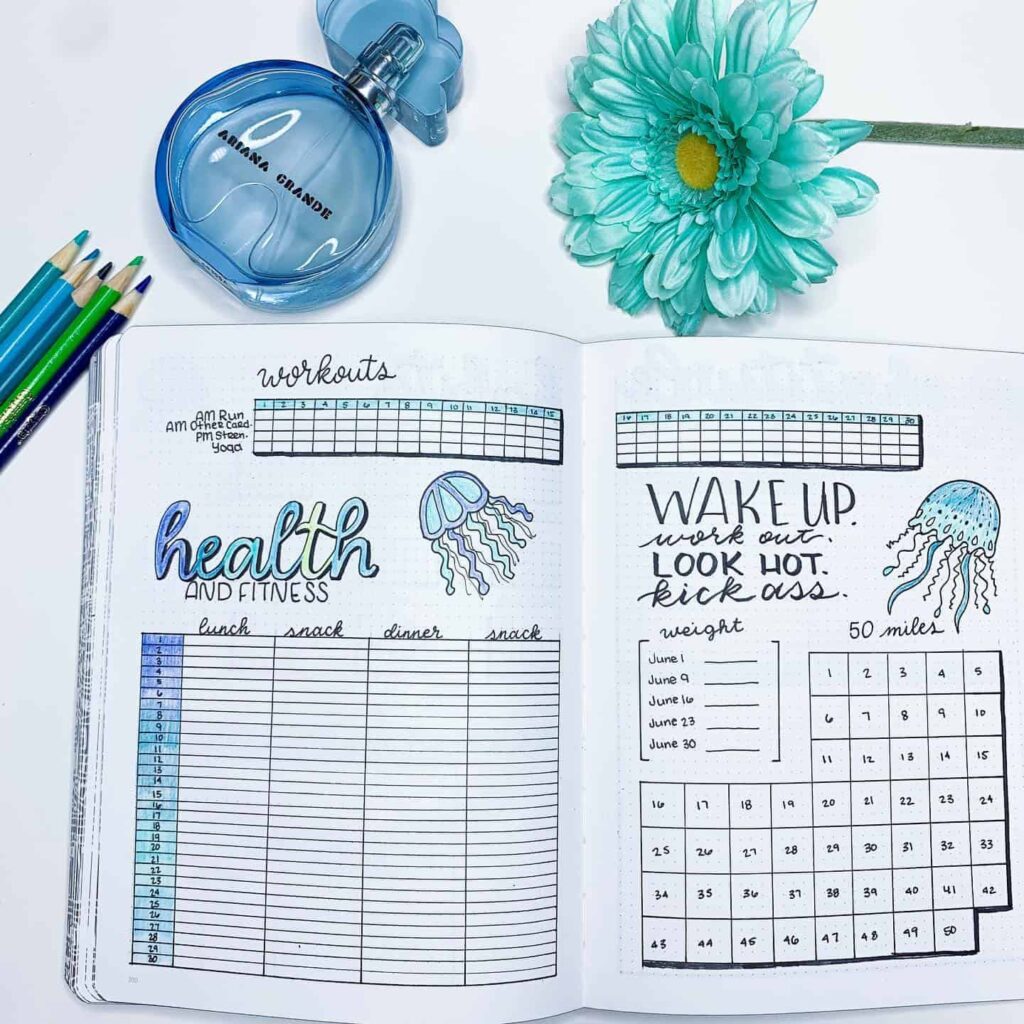
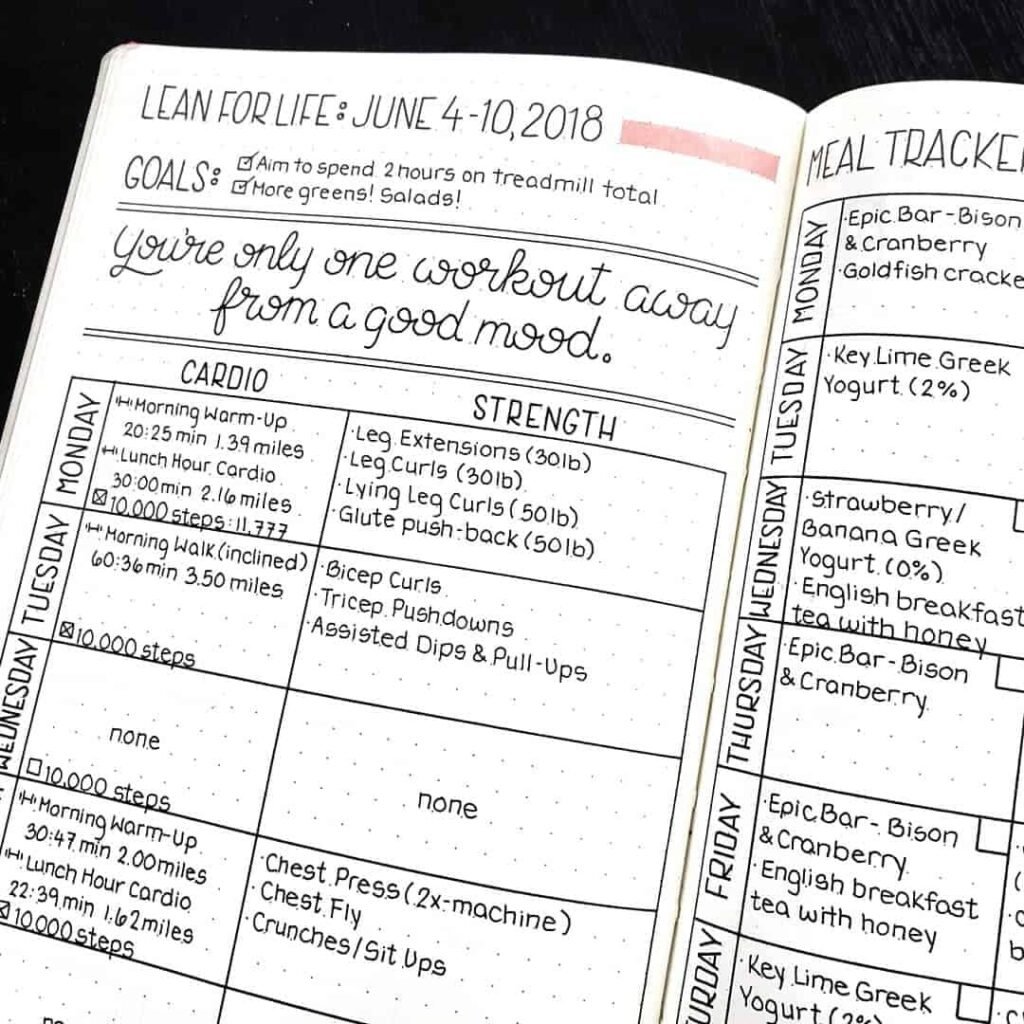
A dashboard is the entry point for the whole system: a single spread that holds the month’s goals, the key trackers, and sometimes a visual summary of the previous month all on two facing pages. The layouts collected here represent a range of approaches — some journalers dedicate the top half of the spread to a weight chart and use the lower half for a workout grid, while others organise by habit category, grouping sleep, water, and movement into separate columns. What they share is the decision to make progress visible in one place rather than across several scattered pages. If you are building a bullet journal fitness system for the first time, a dashboard like these is usually the most useful starting point, because it tells you at a glance what you have committed to tracking before you fill in a single number.



Quotes and goal-setting layouts
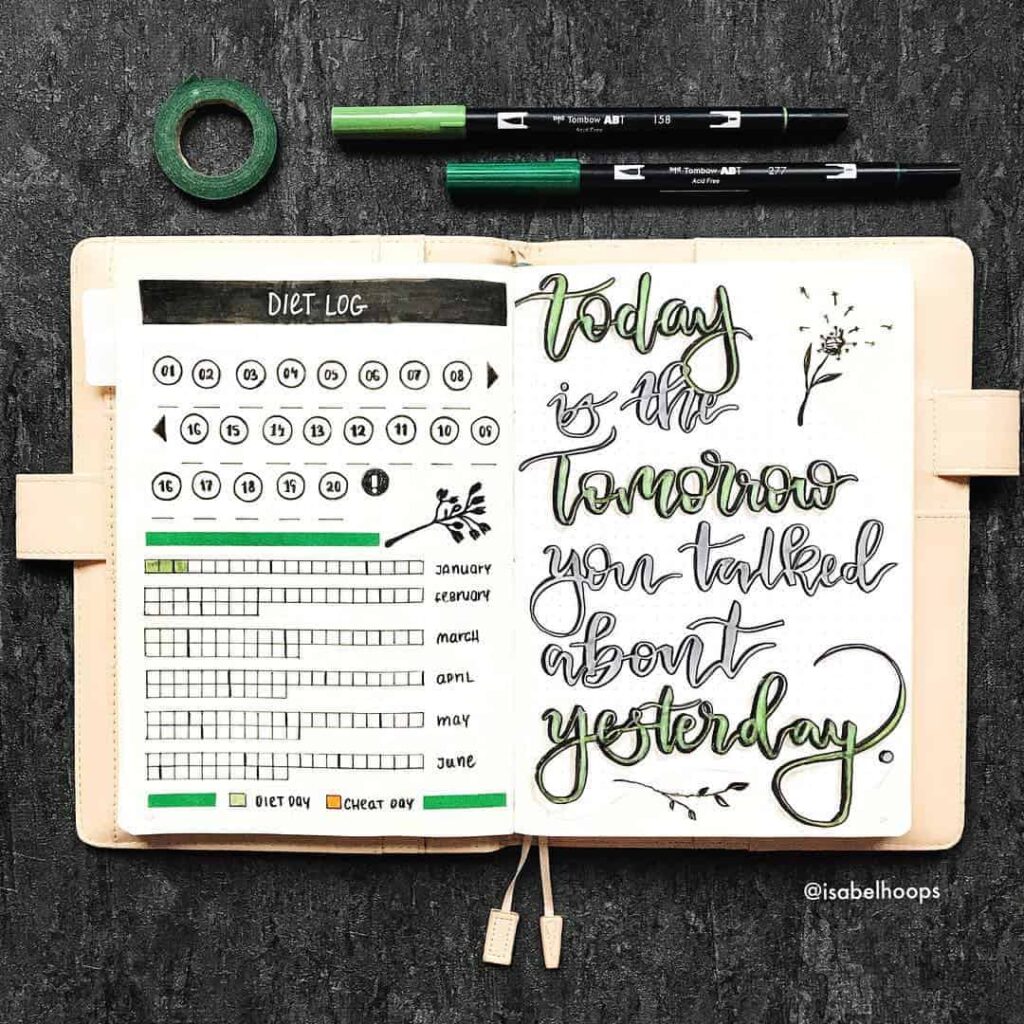
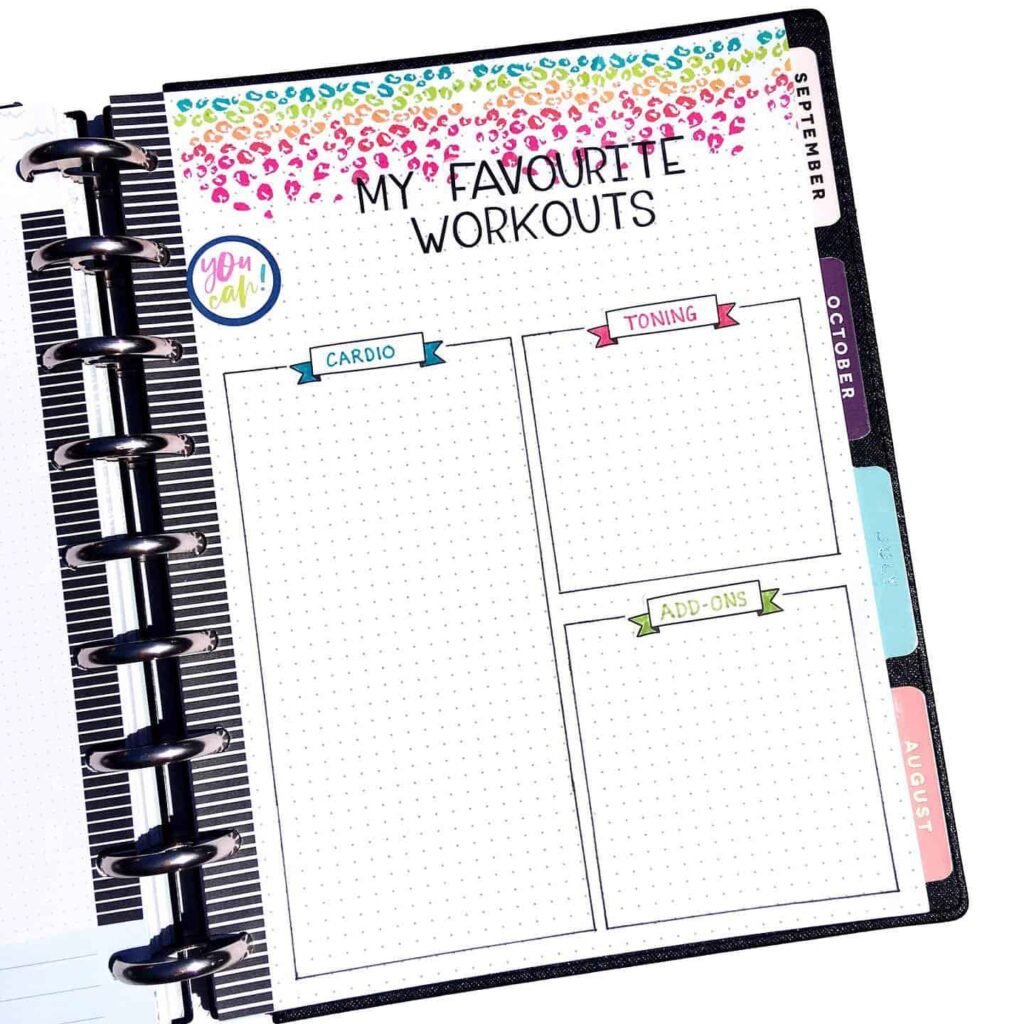
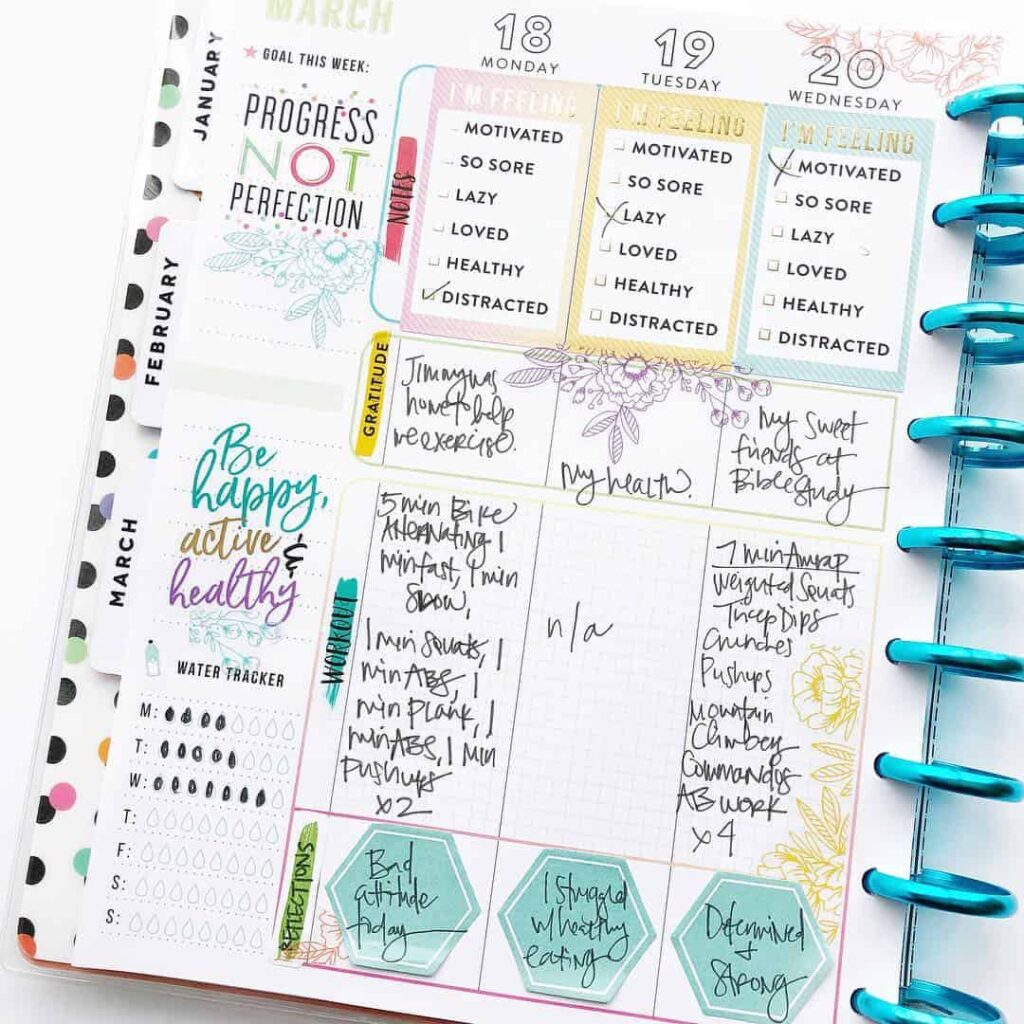
Goal pages serve a different function from trackers: they are written once at the start of a period — a month, a season, a new notebook — and then referred back to rather than filled in daily. Many of the layouts here pair a written goal statement with a motivational quote, which may seem decorative but has a practical effect: a page that took time to set up is more likely to be reopened than a blank one. The more useful examples in this section go further than a quote and a target weight, breaking the main goal into the specific habits that would make it happen — a step count, a number of workouts, a weekly weigh-in — so that the goal page and the daily trackers are visually connected. If a goal page and a tracker page do not obviously belong together, the habit they are meant to support often falls away within the first few weeks.



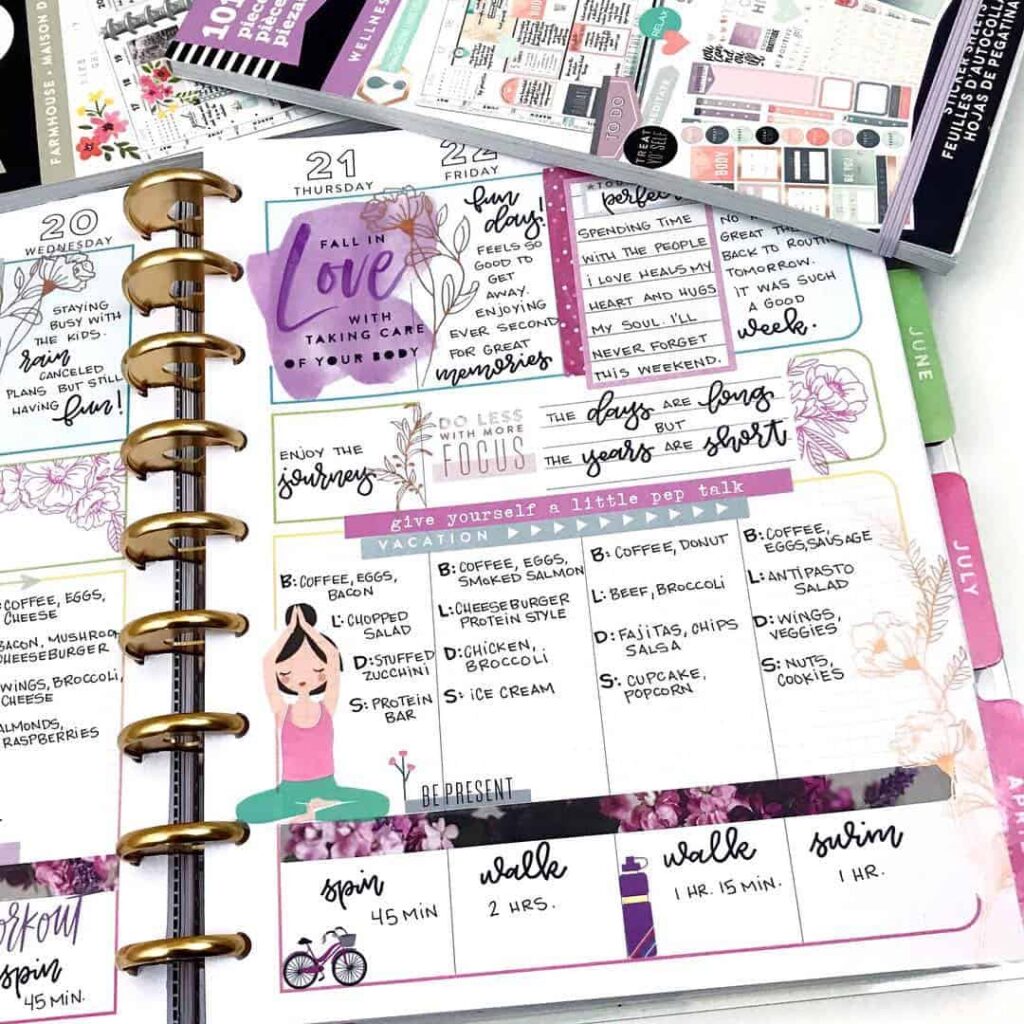





Weight tracking spreads
Weight tracking layouts are typically the most restrained pages in the notebook — a date column, a number column, and sometimes a simple line graph — because the data itself is simple and weekly rather than daily. The spreads here illustrate the main design choice in this category: whether to record weight as a table of numbers or to plot it as a graph. The table is faster to fill in and takes less space; the graph makes a trend visible immediately without mental arithmetic. Several of the layouts below combine both on a single spread, using a small number grid for the weekly entry and a line graph across the top that accumulates over the month. A body measurements column — waist, hips, chest — appears in several of these spreads alongside the scale reading, which is worth noting: measurements often change noticeably during weeks when the scale does not, and a spread that records both gives a more complete picture.


Exercise and workout trackers
Workout trackers make up the largest section of this gallery, and the variety reflects how differently people structure their movement. The most common format is a monthly grid — days across the top, movement types down the left, one mark per cell when a session happens — because the grid makes gaps as visible as effort, and seeing a blank run of days tends to be more motivating than any streak counter. Several layouts in this section use colour coding to distinguish between categories of exercise: cardio, strength, flexibility, and rest days each get a different shade, so the spread shows not just whether someone moved but what kind of movement filled the month. Others are stripped back to a single row per day — whatever happened gets a mark — on the logic that a simpler page gets opened more often. A handful use circular or non-grid layouts; these tend to be slower to draw but are often the ones journalers photograph and share, which suggests they also serve a motivational function beyond the data they hold.


Step trackers
Step trackers are the simplest category in the gallery and, arguably, the most consistent in use. Because the data comes from a phone or wearable rather than from direct observation, the journaler only needs to transfer a number at the end of the day rather than track something actively throughout it. The layouts here reflect that simplicity: most are a short table with the date and the count, sometimes with a target line marked in pen or a small icon that fills in when the goal is reached. The more elaborate examples add a monthly cumulative total in a corner, which is a useful addition for anyone working toward a distance goal rather than a daily count. The principle illustrated by this section — that a tracker used every day at minimal effort will outperform a more elaborate one used intermittently — applies to every other category in this gallery as well.



Additional weight loss tracker layouts
The layouts in this final section do not fit neatly into a single category: some combine weight and measurements on one spread, others focus on habit streaks or monthly reflections, and a few are full weekly spreads that hold food, movement, and weight data together on two facing pages. They are collected here as examples of how journalers adapt and combine the formats from the earlier sections once the basic system is established. A tracker that someone has used for several months tends to look different from the template they started with — columns get added or removed, the graph scale gets adjusted, a habit that was not working disappears and a new one takes its place. These spreads are worth studying less for the specific format and more for what they suggest about how a working system evolves over time.



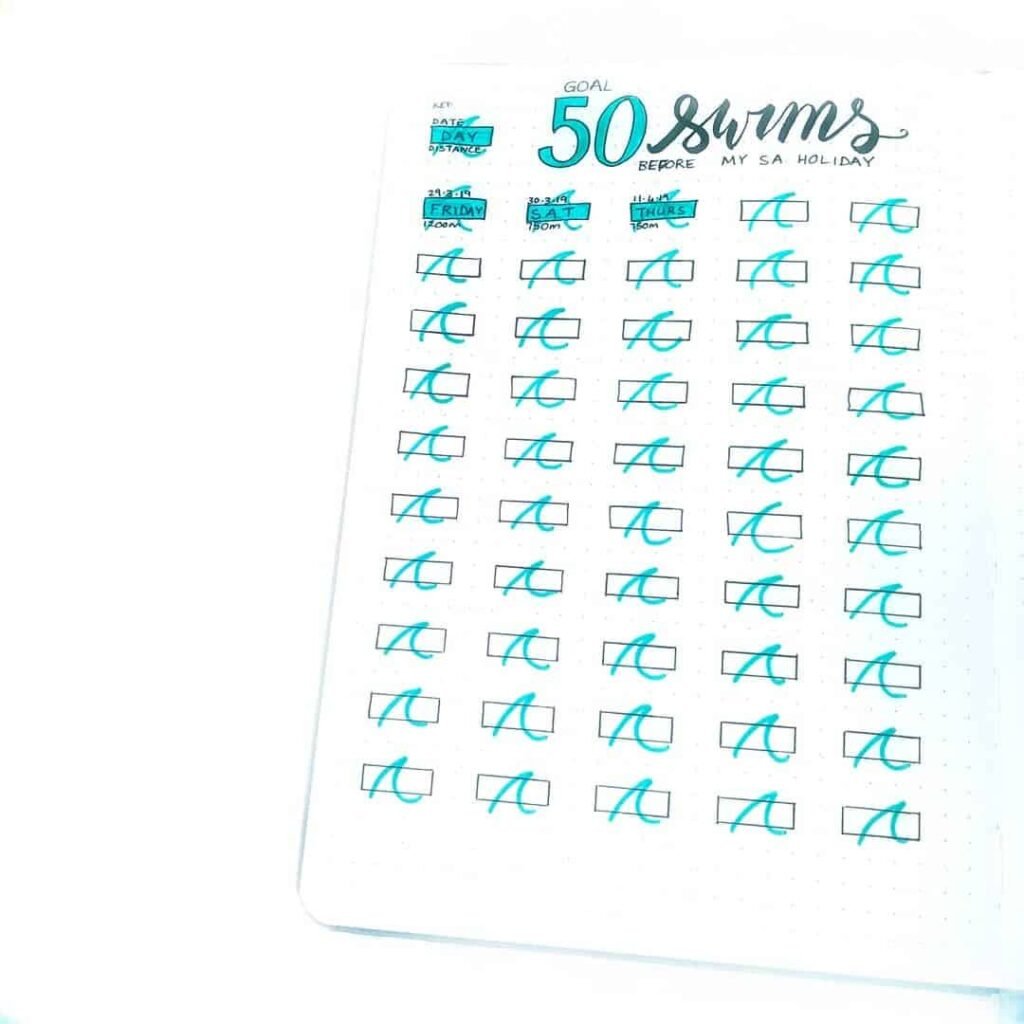


The thing the spreads above share, more than any visual style, is the patient habit of writing a small number down on a page each day. The data they collect is unremarkable — a glass of water, a half-hour walk, a weight read once a week — and the layouts that hold the data are no more elaborate than a grid and a date column.
What turns those small entries into something useful is the time the page spends being filled in.
A bullet journal cannot make a fitness routine happen on its own, but it can be the place where the routine is recorded and reviewed, and on most weeks that is enough for the practice to keep going.