

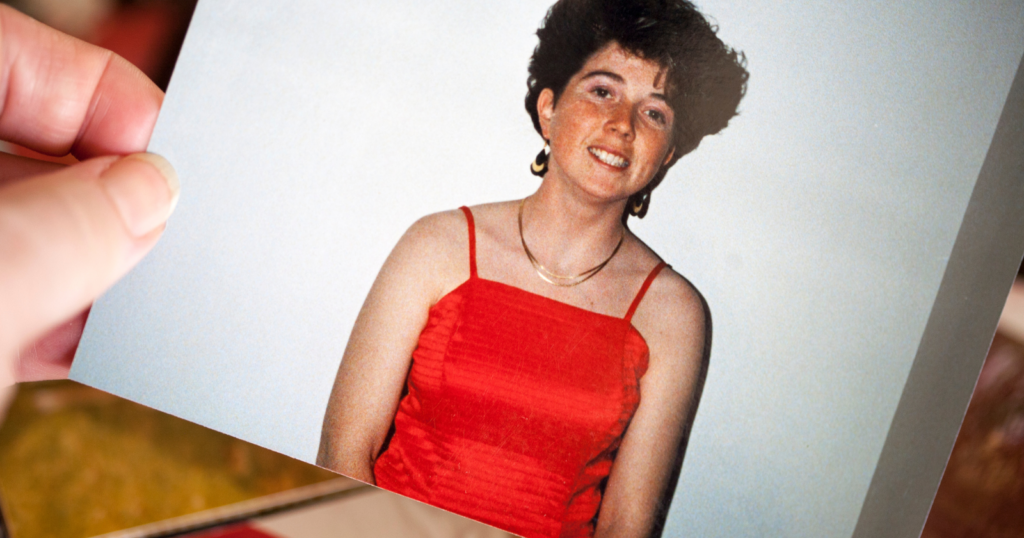
Growing up in the 90s was something special, wasn’t it?
I mean, sure, every generation thinks their childhood was unique, but there was something about the 90s that just hit different. Maybe it’s the nostalgia talking, but I genuinely believe we had it good.
So today, just for fun, I’m taking you on a trip down memory lane with seven unmistakable signs you were definitely a 90s kid.
Let’s dive in.
1. Recording songs off the radio
Remember sitting by your stereo with a blank cassette tape, finger hovering over the record button, waiting for your favorite song to come on?
I spent countless Saturday mornings doing exactly this. You had to be quick, too. Miss the start of the song, and you’d have the DJ talking over the intro. And if you were really unlucky, they’d talk over the ending as well.
The concentration required was intense. One interruption from a parent or sibling, and the whole recording was ruined. But when you got it just right? Pure satisfaction.
These days, you can pull up any song instantly on Spotify or Apple Music. But back then, creating the perfect mixtape was an art form. Each song was carefully selected, recorded, and labeled in your best handwriting on the cassette insert.
If you spent hours perfecting your mixtapes, you were definitely a 90s kid.
2. Waiting for photos to be developed
Here’s something that seems absolutely wild to explain to people today: we used to take photos and then wait days, sometimes weeks, to see how they turned out.
I remember going on family trips and finishing a roll of film, then having to wait until we got home to drop it off at the local photo shop. Then came the agonizing wait. A week later, you’d pick up your envelope of prints, and it was like Christmas morning.
The best part? You never knew what you were going to get. Half the photos might be blurry, someone’s thumb might be covering the lens, or you’d discover you accidentally took three photos of your feet. But mixed in there would be these perfect, unexpected moments captured forever.
There was something magical about that anticipation. Now, we take hundreds of photos on our phones and barely look at them again. But back then, every photo was precious because you didn’t know if you’d captured the moment until it was too late to retake it.
3. Being unreachable
This might sound strange, but one of the best things about being a 90s kid was that nobody could reach you all the time.
When you left the house, you were gone. Your parents couldn’t text you to check in. Your friends couldn’t call unless you were home. If you were out riding your bike or playing at a friend’s house, you were completely off the grid.
I remember my mom telling me to be home before dark, and that was it. No GPS tracking, no “text me when you get there,” no constant check-ins. Just freedom.
Sure, there were payphones if you really needed to make a call, but mostly you just figured things out. You’d arrange to meet friends at a specific time and place, and if someone didn’t show up, you’d wait for a bit and then move on.
Looking back, that freedom shaped us. We learned independence, problem-solving, and how to navigate the world without a safety net. I don’t think most kids today will ever understand what that felt like.
4. Blowing into game cartridges
If you grew up in the 90s, you know exactly what I’m talking about.
Your Nintendo or Super Nintendo game wouldn’t load, so you’d take out the cartridge, blow into it like you were trying to extinguish birthday candles, and pop it back in. Somehow, this ritual actually seemed to work. Or at least, we all believed it did.
I can still remember the frustration of trying to play Super Mario, only to get that dreaded blank screen. Out came the cartridge, a few good puffs of air, maybe wipe it on your shirt for good measure, and try again.
This was our version of tech support, passed down from older siblings and playground wisdom. It was a universal experience that united 90s kids everywhere.
5. Waiting for your turn on the family computer
The internet in the 90s was a completely different beast than what we have today.
First off, there was only one computer in the house, and it was shared by the entire family. Want to play a game or watch a video? Get in line.
But the real challenge was the internet itself. You had to connect via dial-up, which meant tying up the phone line. I can’t count how many times my mom yelled at me to get off the computer because she was expecting a phone call.
And that sound. You know the one. That screeching, buzzing, crackling symphony that meant you were connecting to the internet. It was painful to listen to, but it was also the sound of possibility. Once that connection was established, you were online.
Loading a single webpage could take minutes. Downloading a song? That might be an overnight job. But we didn’t care. We were patient because we didn’t know any better.
6. Planning your TV schedule around your favorite shows
Streaming services have completely changed how we consume media. You can watch whatever you want, whenever you want. But in the 90s? If you wanted to watch your favorite show, you had to be in front of the TV at the exact time it aired.
I organized my entire week around TV schedules. Thursday nights were for such and such. Saturday mornings were for such and such. Miss an episode, and you had to hope for a rerun or rely on friends to fill you in on what happened.
And if two shows you loved aired at the same time? That was a genuine crisis. You had to choose, unless you were lucky enough to have a VCR and could record one while watching the other.
There was something communal about this, though. Everyone watched the same episodes at the same time. The next day at school, you could talk about what happened because you all experienced it together. Now, with everyone watching different things at different times, that shared experience is pretty much gone.
7. Using an actual encyclopedia for homework
Here’s one that really dates us.
When I had to write a school report or look something up, I didn’t Google it. I went to the bookshelf and pulled out a volume of our family encyclopedia.
These massive books were expensive, and having a set in your home was a big deal. They were our Wikipedia, our search engine, our primary source of information. Except they were already outdated by the time you bought them, and they definitely didn’t have information about anything current.
If your encyclopedia didn’t have the information you needed, you’d have to go to the library. I’d spend hours there, flipping through card catalogs to find relevant books, then copying information by hand into my notebook.
The effort required to do basic research was significant. But here’s the thing: it taught us patience, critical thinking, and how to dig for information. We couldn’t just skim the first result on Google and call it done.
Now, I can pull up virtually any information I need on my phone in seconds. It’s incredibly convenient, but I sometimes miss the satisfaction of really working to find an answer.
The bottom line
Sure, technology has made life easier in countless ways. I’m not about to give up my smartphone or high-speed internet. But there was something special about growing up before the world became quite so connected and instant.
We learned patience because we had to wait for things. We developed independence because we couldn’t rely on constant communication. We appreciated photos and music and TV shows because they weren’t infinitely available at our fingertips.
I wouldn’t trade those experiences for anything. They shaped who we are today.
Until next time.
