Wendy Wood, the University of Southern California psychologist who spent three decades running the numbers on human habits, found something simple and strange: roughly 43 percent of what people do on any given day is performed in the same location, at roughly the same time, with barely any thought attached. The place is doing the remembering. The person is mostly along for the ride.
That figure gets tossed around online as if it means habits are 43 percent of life. It means something more specific and more unsettling. Wood and her collaborators were tracking how often behaviours repeat in a stable context — same kitchen, same commute, same 7:14 pm couch — and the answer was: almost half the day, on autopilot, cued by the room.
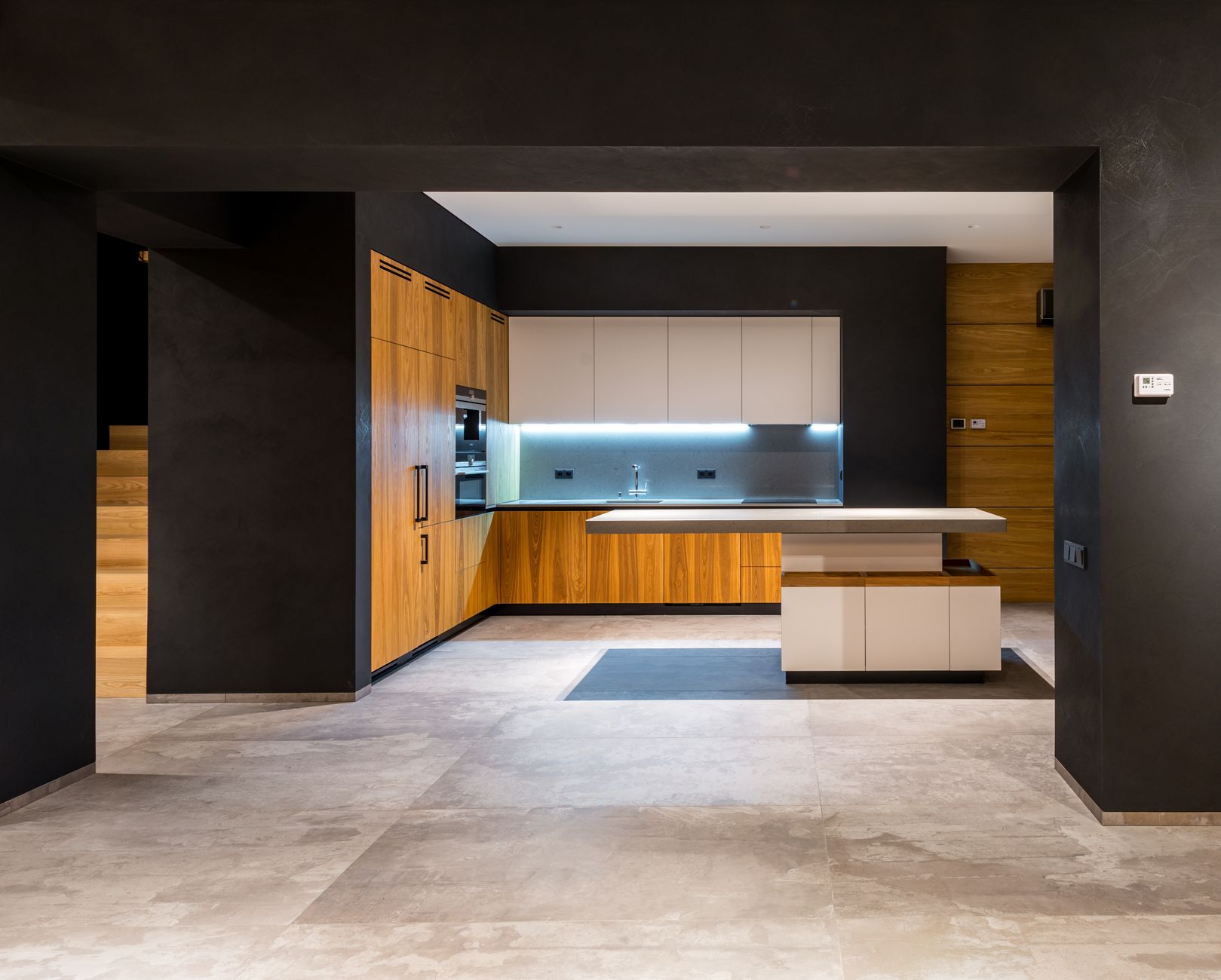
The kitchen knows what you’re about to do
Walk into your own kitchen at eleven at night. Before you have decided anything, your hand is already opening the cupboard where the snacks live. You did not remember you were hungry. The cupboard remembered for you.
This is what habit researchers mean by automaticity. A behaviour that started as a conscious choice — buying crisps, putting them on that shelf, reaching for them once during a bad week — gets welded to the physical environment after enough repetitions. The cue is not the craving. The cue is the doorframe.
Why the 43% figure keeps surviving
Wood’s team asked participants to log what they were doing, thinking, and feeling several times a day over two weeks. When they sorted the entries, a stubborn pattern emerged: about 43 percent of daily behaviours were repeated in the same physical setting, and people reported thinking about something else while doing them. Showering while planning an email. Driving home while replaying an argument. Making coffee while checking a phone.
The behaviours themselves were varied. The through-line was location. Move the person to a hotel room, a friend’s flat, a new city, and the same routines fall apart — not because willpower changed, but because the cues went missing.
The myth of 21 days
The idea that a habit forms in 21 days comes from a 1960 book by a plastic surgeon named Maxwell Maltz, who noticed his patients took about three weeks to adjust to their new faces. That observation about post-surgical adaptation got laundered, through decades of self-help repetition, into a universal law of behaviour change. It is not one.
When Phillippa Lally at University College London actually measured how long it takes for a new behaviour to feel automatic, the answer was a median of 66 days, with a range from 18 to 254 depending on the person and the behaviour. Drinking a glass of water after breakfast became automatic quickly. Doing 50 sit-ups after morning coffee took much longer. What mattered was consistency of context, not calendar count.
Why place beats motivation
Motivation is a bad partner for habit formation because it fluctuates. You feel like going to the gym on Monday morning and not on Thursday evening. The gym does not care. What matters, according to the researchers who work on this, is whether the behaviour is anchored to a stable environmental cue that fires whether or not you feel like it.
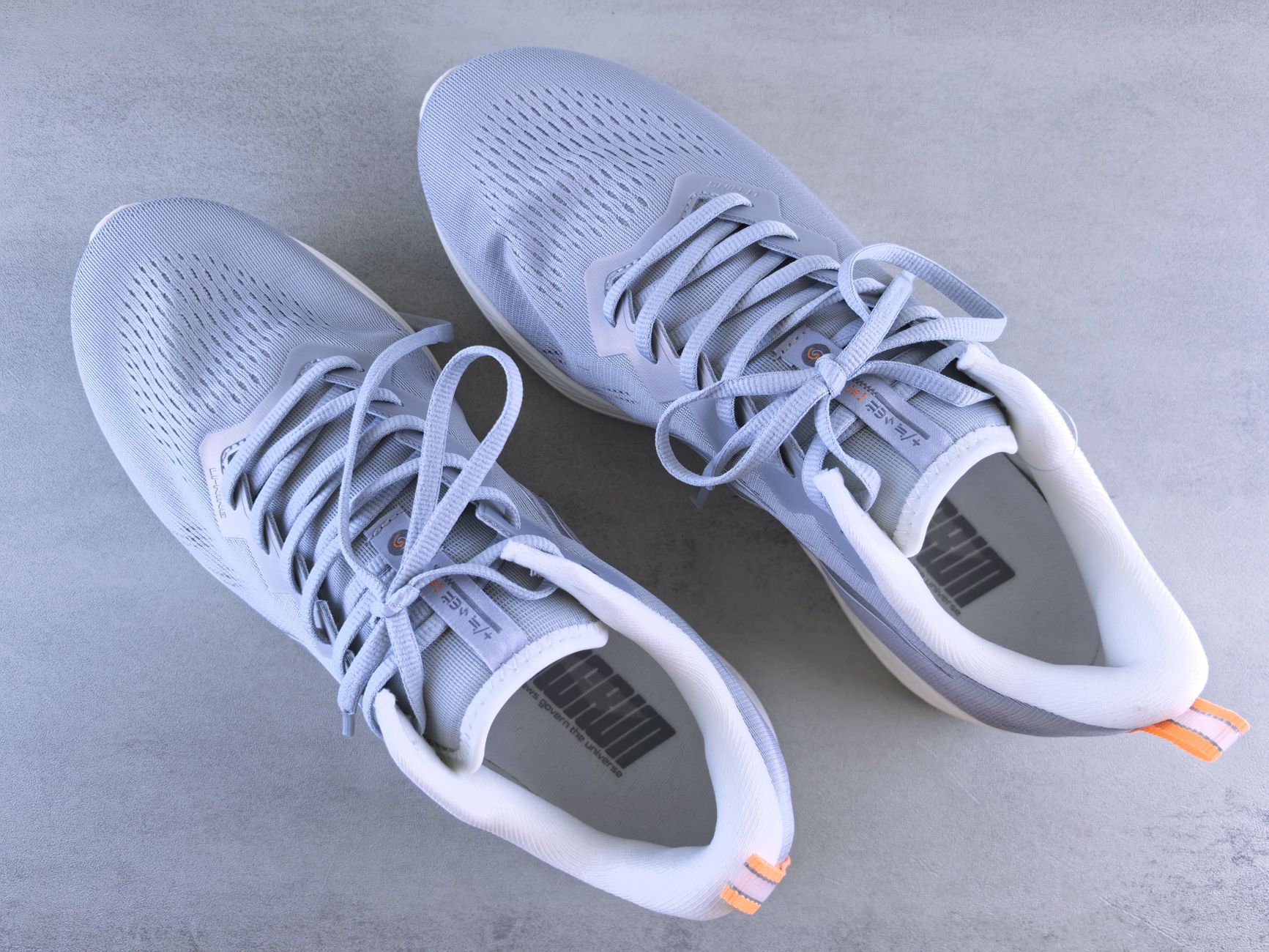
This is why habit researchers now emphasise context design over willpower. Put the running shoes by the bed. Move the biscuit tin off the counter. Keep the guitar out of its case and on a stand in the living room. The environment is doing 43 percent of the work already — the question is what work you are asking it to do.
The moving-house window
One of the more surprising findings from this line of work is that habits are most fragile — and most changeable — during a move. Transfer students who had exercised regularly at their old campus often stop at their new one, even when their new gym is closer and better. The cue chain has broken. The old sequence of walking past a certain building at a certain time, which had triggered a workout, does not exist yet in the new place.
The mirror image is also true. Bad habits weaken when the room changes. Smokers trying to quit may have better success rates when they attempt it during a holiday, a hospitalisation, or a house move — anywhere the ashtray, the balcony, the specific chair have been temporarily removed from the script.
What the police training research shows
The environmental-cue model is not just about biscuits and jogging. Trainers who work with police and military units have started using the same framework to explain why skills learned in a classroom collapse under stress. Once a movement — drawing a weapon, checking a corner, breathing through a rising heart rate — has been repeated enough times in the same context, it becomes a habit rather than a skill, and it runs automatically when the context reappears.
The problem, as those trainers point out, is that the wrong habit is just as automatic as the right one. If an officer has trained a thousand times to holster a weapon at a specific angle in a specific range, that motion will fire in a real incident whether or not it fits the situation. The place remembers. The body follows.
Why you cannot think your way out
The conscious mind is not fast enough to intercept most habits before they run. By the time you have noticed you are reaching for the phone, you are already unlocking it. The gap between cue and action can be extremely brief, sometimes under a second, and the deliberative parts of the brain simply do not operate at that speed.
This is why the standard advice to be more mindful tends to fail. Mindfulness works, but only if it is scheduled into the environment before the cue fires — a note on the fridge, a physical block on the phone, a rearranged room. Trying to catch a habit mid-execution is like trying to grab a train as it passes.
Building a new habit by borrowing an old cue
The most reliable technique in the literature is what researchers call habit stacking or implementation intention. Instead of resolving to floss more, you attach the flossing to something already automatic: after I brush my teeth, I floss one tooth. The bathroom sink is already doing the remembering. You are just adding a small extension to a route the brain already runs.
The trick with the single tooth is not humility, it is engineering. A tiny action attached to a stable cue almost always gets performed, and once it is being performed daily, it expands on its own. The failure mode of most resolutions is starting with the full behaviour instead of anchoring the smallest possible version to a location.
Why this changes how to read your own day
If nearly half of behaviour is cued by place, then the honest audit of a life is not a list of intentions but a walk through the rooms. What does the sofa cue? What does the desk cue? What does the walk from the front door to the kitchen cue? Those objects are running large parts of the day whether or not anyone has thought about it in years.
The related finding, from the same line of research, is that people wildly overestimate how much of their behaviour is chosen. Asked to explain why they ate what they ate or watched what they watched, they generate reasons — hunger, taste, a bad day at work — that fit the story. The room, which is usually the actual answer, does not get mentioned because the room is invisible.
Some of the habits people credit for aging well — a glass of water on the bedside table, a book instead of a phone on the sofa, walking shoes by the door — turn out to be less about discipline than about furniture placement done years ago and never revisited.
The 43 percent, seen properly
The figure was never meant to shame anyone about being on autopilot. Automaticity is what frees the mind to do anything else — to hold a conversation while driving, to think about a problem while showering, to be a person while brushing teeth. The 43 percent is a feature, not a bug.
What Wood and her collaborators actually showed is that the location is a co-author of the day. The kitchen writes the snack. The commute writes the podcast. The bedroom writes the scroll. Change the room and you change the sentence, sometimes before the writer has noticed a new draft is being produced.
Stand in a doorway tonight and watch what your hand does before you tell it to. That is the research, running in real time, in a room that has been quietly remembering for you.