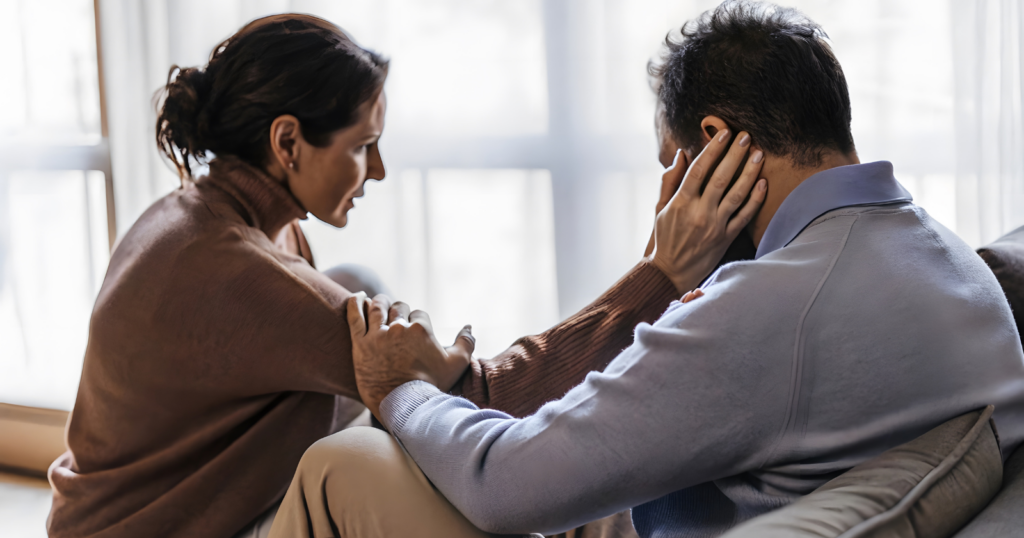
You’ve probably heard someone say, “I’m just bad at relationships,” or “You deserve better than me.”
Those words can sound like rejection, but they often come from something deeper – fear.
When people fall in love but carry emotional scars, their words become protective shields. What they say and what they mean are not always the same.
The good news is that when you listen with empathy, you can see through the fear and respond with care instead of confusion.
Here are seven phrases people often use when they love deeply but are afraid of getting hurt.
1. “I don’t want to lose myself again.”
When someone says this, they’re not necessarily talking about you. They’re remembering what happened before you.
Maybe they were in a relationship that demanded too much. Maybe they changed who they were just to keep the peace.
Now, even though they care about you, their instinct is to protect their identity.
That fear doesn’t mean they’re not ready to love. It just means they need reassurance that being in a relationship doesn’t mean losing themselves in it.
The best thing you can do is remind them that real love allows both people to grow while staying true to themselves.
2. “I’m just not good at relationships.”
This phrase often hides a deep sense of self-doubt.
Some people have been hurt so many times that they start to believe they’re the common denominator. They convince themselves they’ll ruin things no matter what they do.
Underneath that, though, is hope. The fact that they’re even in a relationship with you means they’re still trying.
You can’t convince them they’re good at love, but you can show them through consistent actions that healthy relationships are built, not stumbled into.
That consistency builds emotional safety, which, as Dr. Sue Johnson notes, is “key: partners need to feel they can be vulnerable without being judged or ridiculed.”
3. “You’re better off without me.”
This one can sting.
It sounds final, but it often comes from guilt rather than indifference.
When someone feels unworthy of love, they’ll try to save you from their imagined flaws. Deep down, they fear you’ll eventually notice those flaws and leave them first.
That fear of abandonment can make them push you away to avoid being rejected later.
Arguing or pleading rarely helps. A calm response like, “I’m not asking for perfection. I just want something real,” can sometimes be enough to break through their wall.
4. “I need time to think.”
This phrase can mean a lot of things, but when it comes from someone who loves you and fears pain, it’s often code for “I’m overwhelmed.”
Love brings vulnerability, and vulnerability brings old emotions to the surface.
Instead of assuming distance equals disinterest, think of it as emotional regrouping.
I used to take this phrase personally. I’d think, if they need space, they must be halfway out the door. But I learned that sometimes people just need to catch their breath before they can meet you fully.
Give space, but keep communication open. That balance builds trust over time.
Dr. John Gottman found that “happy couples respond to each other’s bids for attention or emotional connection about 86% of the time.”
Even when one partner needs space, small gestures like a simple message that says “thinking of you” can keep connection alive.
5. “I’m scared to get too close.”
Here’s where fear starts to speak plainly.
When someone admits this, they’re being honest, but that honesty doesn’t always lead to closeness. It’s a delicate moment.
You might feel tempted to fix their fear or prove your loyalty. But love doesn’t work that way.
People have to face their fears themselves. Your role is to create a calm emotional environment where they feel safe doing that.
I learned this while reading Laughing in the Face of Chaos by Rudá Iandê, a book that’s been reshaping how I understand fear and connection. His insights reminded me that “fear, when understood, is not our enemy. It’s an intrinsic part of the human experience.”
That line helped me stop seeing fear as a barrier and start seeing it as an invitation to slow down, listen more deeply, and give relationships room to breathe.
6. “I don’t want to depend on anyone.”
This phrase is often rooted in pride or past disappointment.
Some people learned early on that relying on others meant getting hurt or let down. So they built independence as a defense mechanism.
When love enters the picture, that self-protection doesn’t disappear overnight.
If you’re with someone like this, you might notice small contradictions. They’ll say they don’t want help but still light up when you offer it.
The key is gentle respect. Encourage their independence while quietly showing that connection doesn’t equal weakness.
Brené Brown once said, “Vulnerability is the birthplace of love, belonging, joy, courage, empathy, and creativity. It is the source of hope, empathy, accountability, and authenticity. If we want greater clarity in our purpose or deeper and more meaningful spiritual lives, vulnerability is the path.”
When someone feels safe enough to depend on you a little, that’s growth.
7. “I don’t know what I want.”
At first, this might sound like confusion, but more often, it’s conflict.
They do know they love you. They’re just terrified of what that means. Love opens doors to change, commitment, and vulnerability, all of which can feel like risks to someone who’s been hurt.
Instead of demanding clarity, try asking gentle questions.
What are they afraid of losing? What would safety look like for them?
When we meet fear with curiosity instead of criticism, we invite honesty.
And sometimes, honesty is all that’s needed to move forward.
Final thoughts
Loving someone who’s afraid to love you back isn’t easy.
It takes patience, steady communication, and emotional self-awareness.
But it’s also one of the most profound acts of compassion you can practice. Because you’re not just loving a person. You’re helping them unlearn their fear.
As Rudá Iandê reminds us, “When we stop resisting ourselves, we become whole. And in that wholeness, we discover a reservoir of strength, creativity, and resilience we never knew we had.”
Love becomes healing when both people stop running from themselves.
And that’s when it finally feels safe to stay.