
Editorial note: This article was originally published on My Inner Creative and has been updated and republished in May 2026 under The Vessel’s editorial standards.
Most of the bullet journals shared on social media are not what bullet journals usually look like.
They are the carefully photographed exception — the page where every line is straight, every header is hand-lettered to the millimetre, and every habit tracker for the month happens to be perfectly filled in.
The rest of the notebook, the part that does not get photographed, is messier. It has scratched-out tasks, smudges of ink, lopsided headers, weeks where nothing got tracked at all, and the tired handwriting of any ordinary Wednesday.
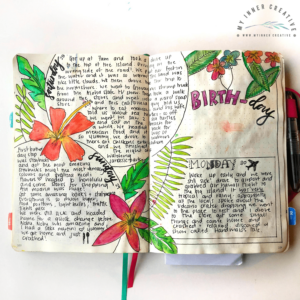
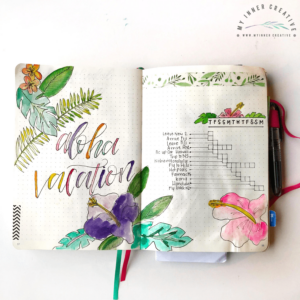
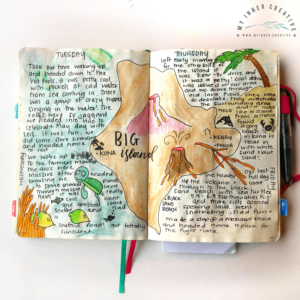
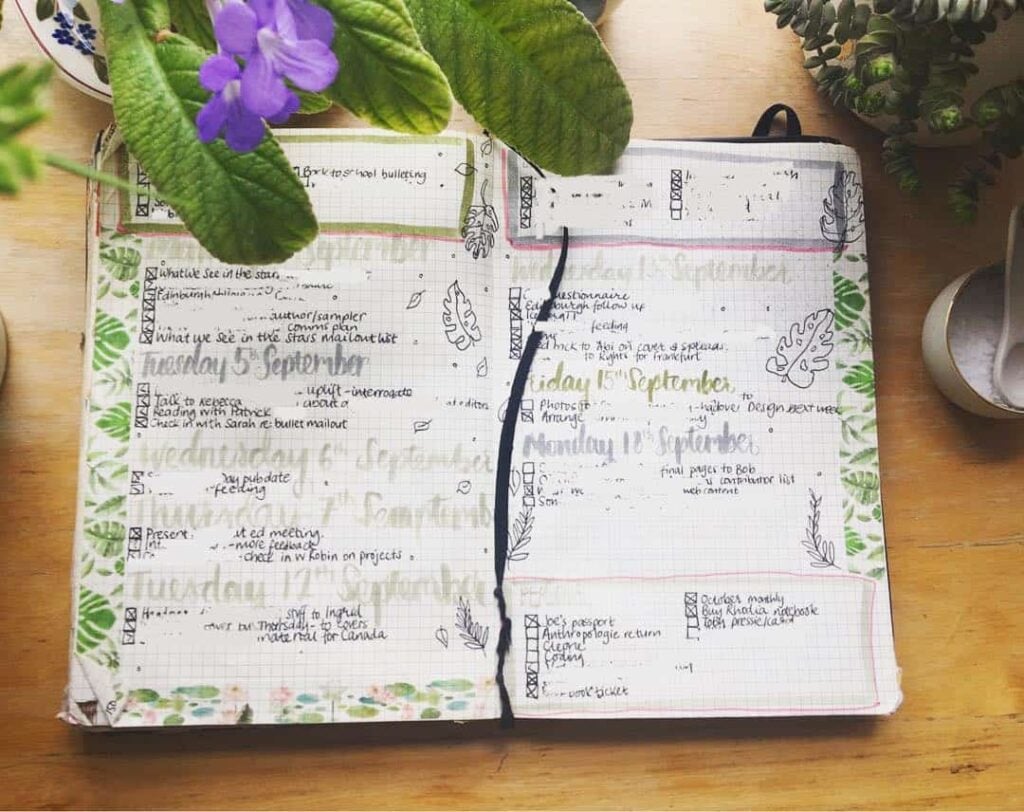
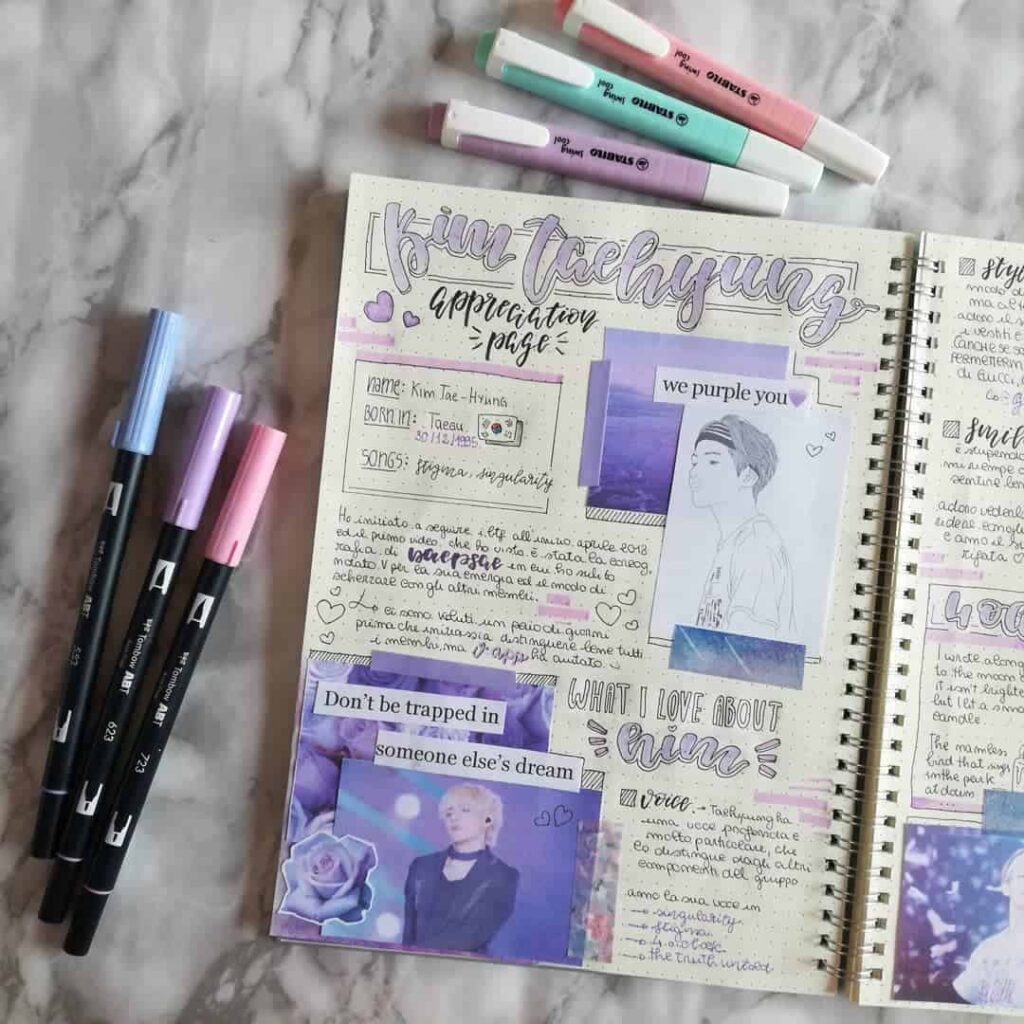
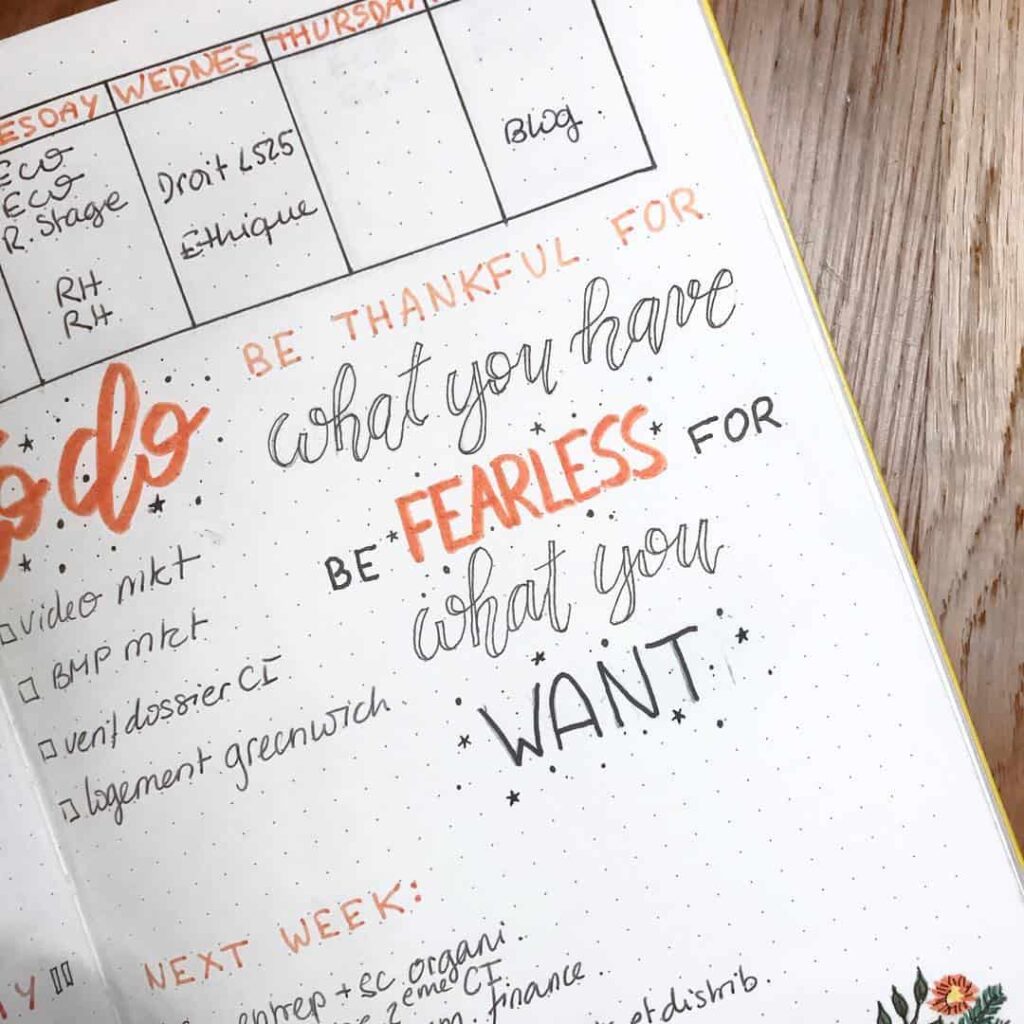
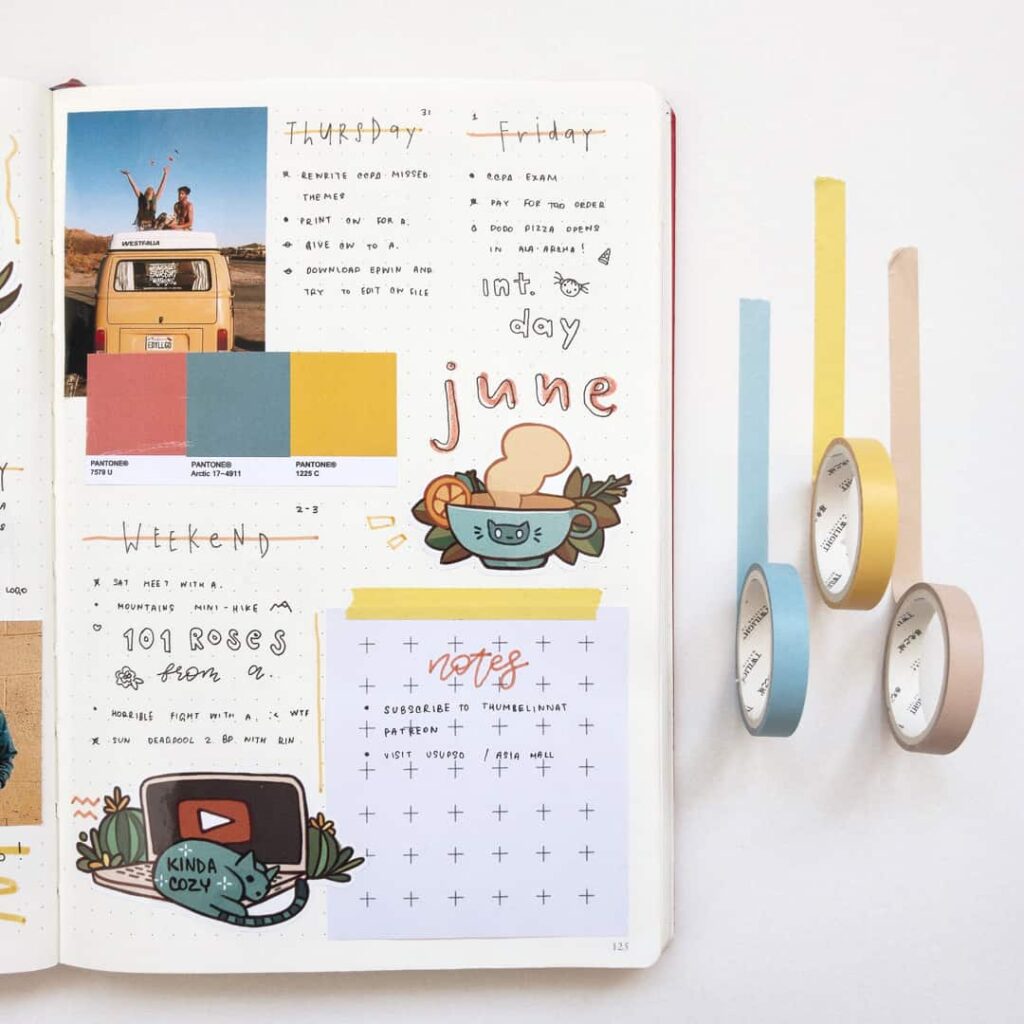
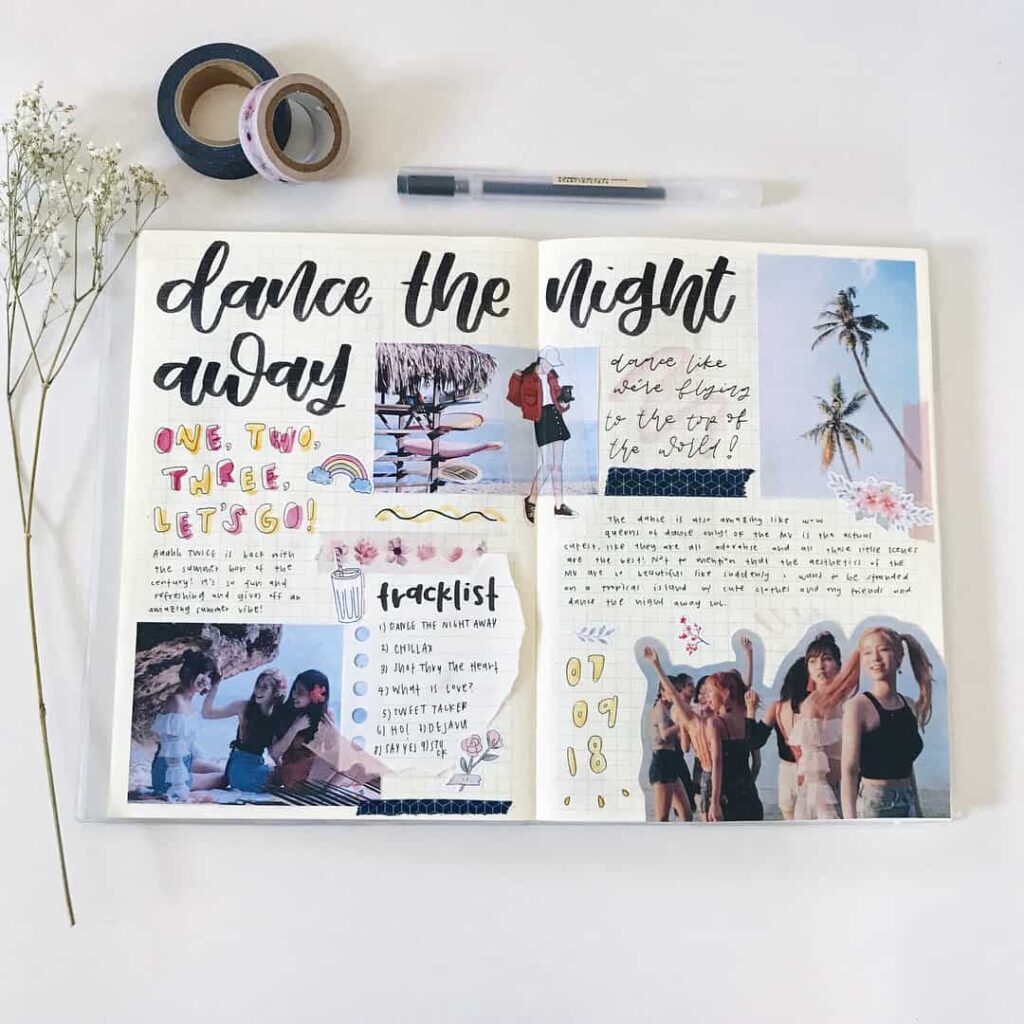
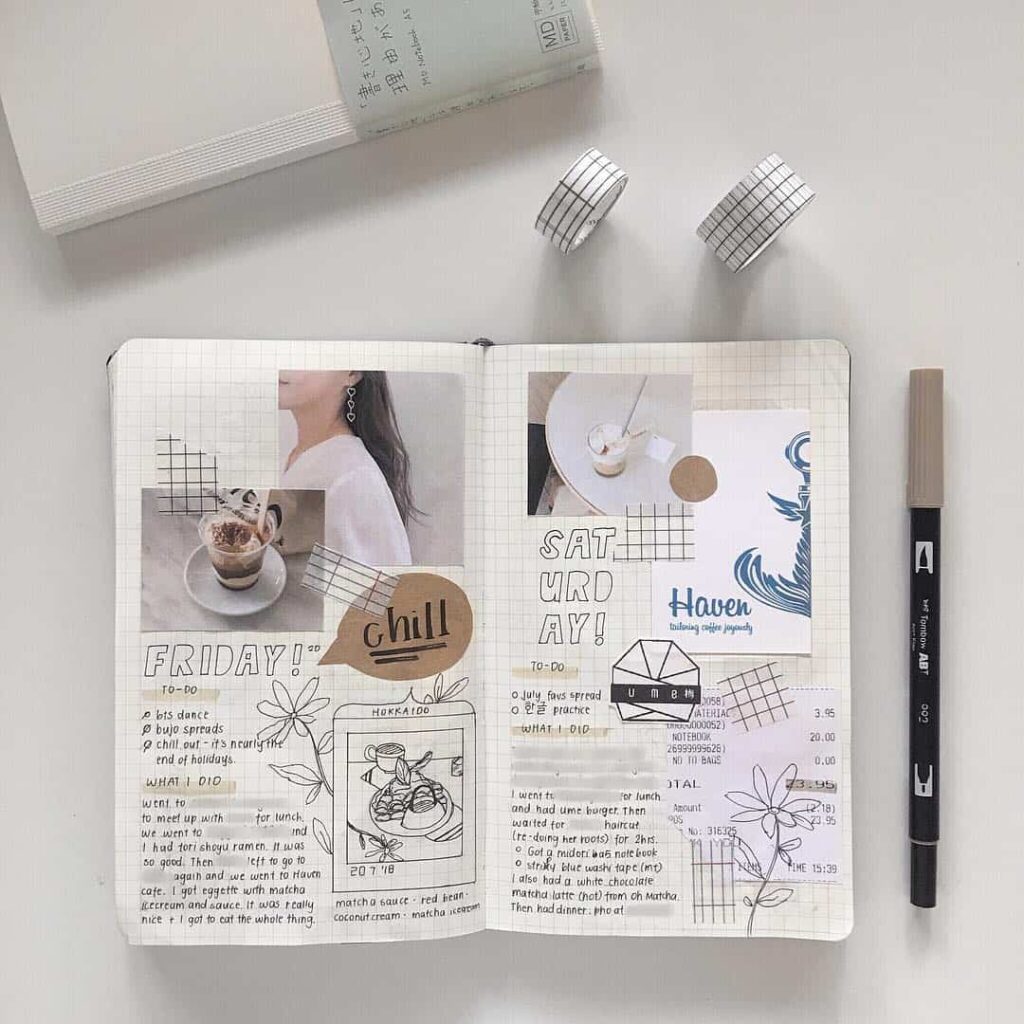
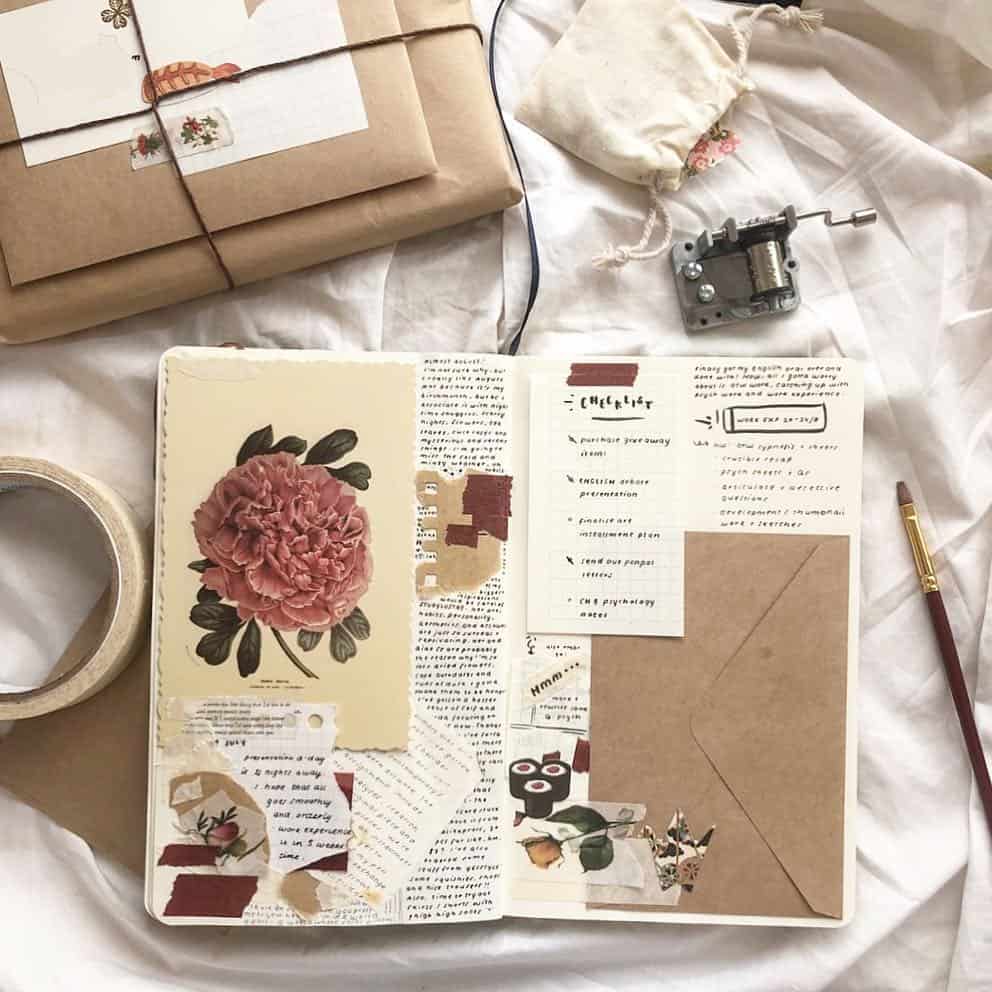
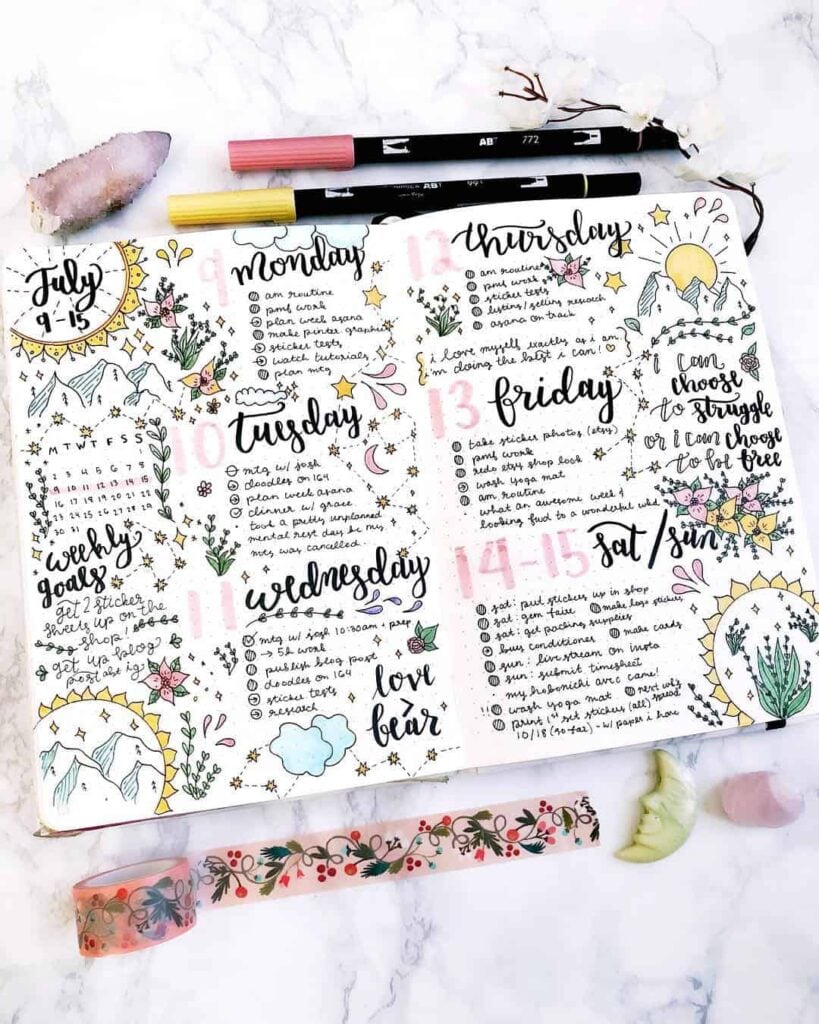
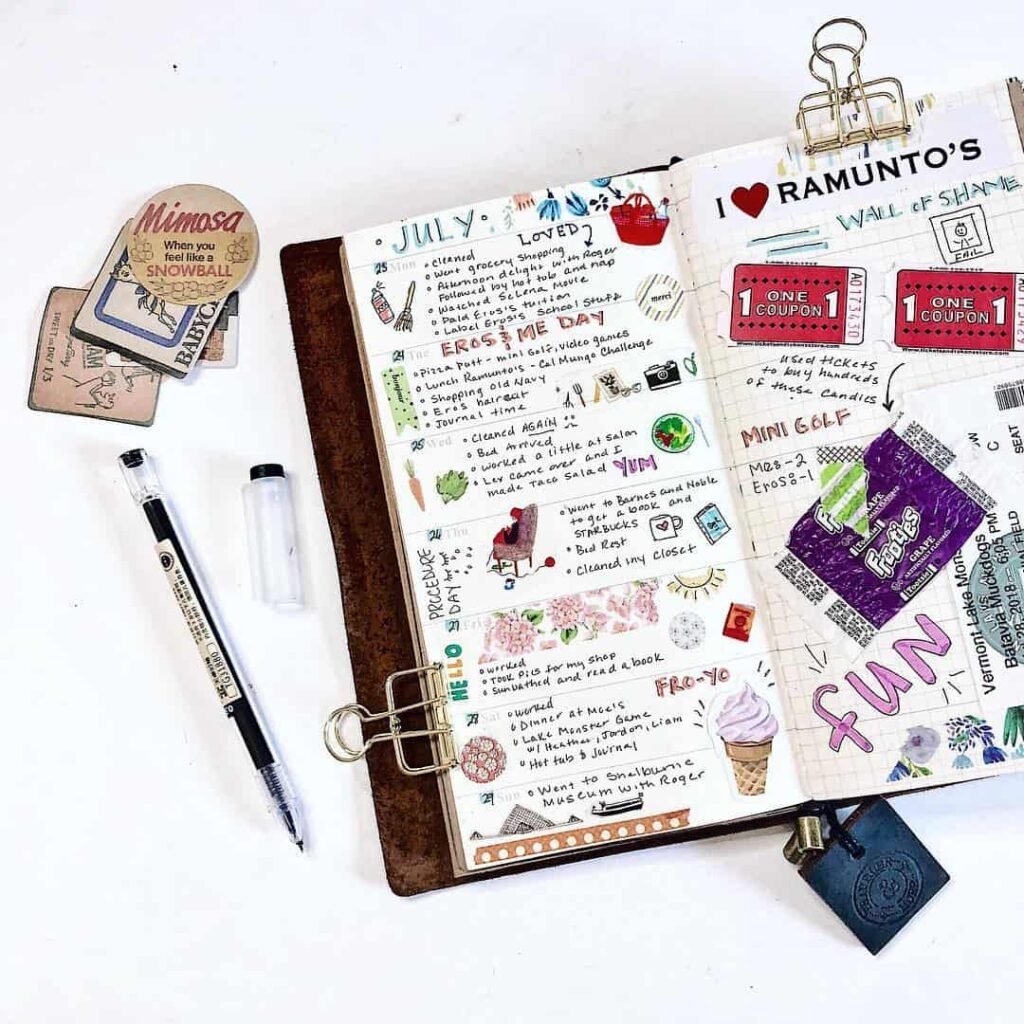
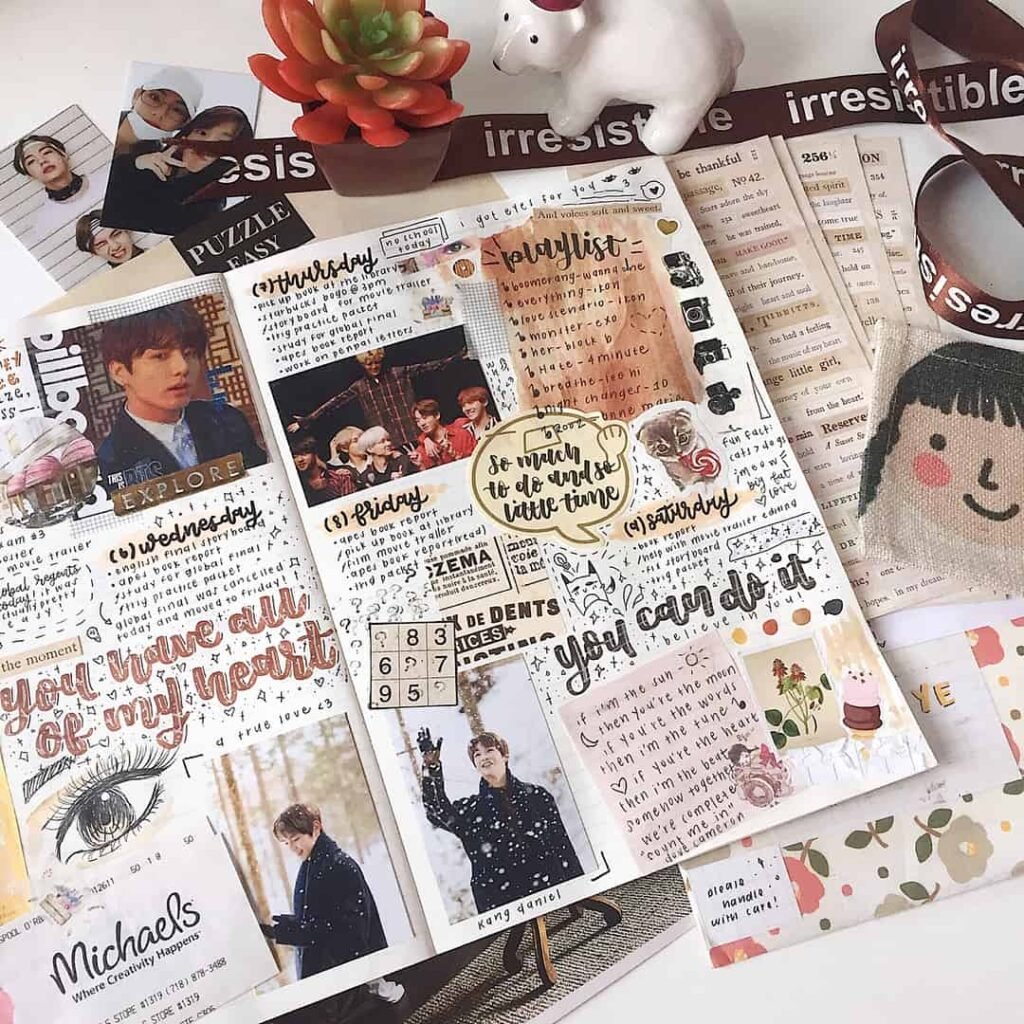
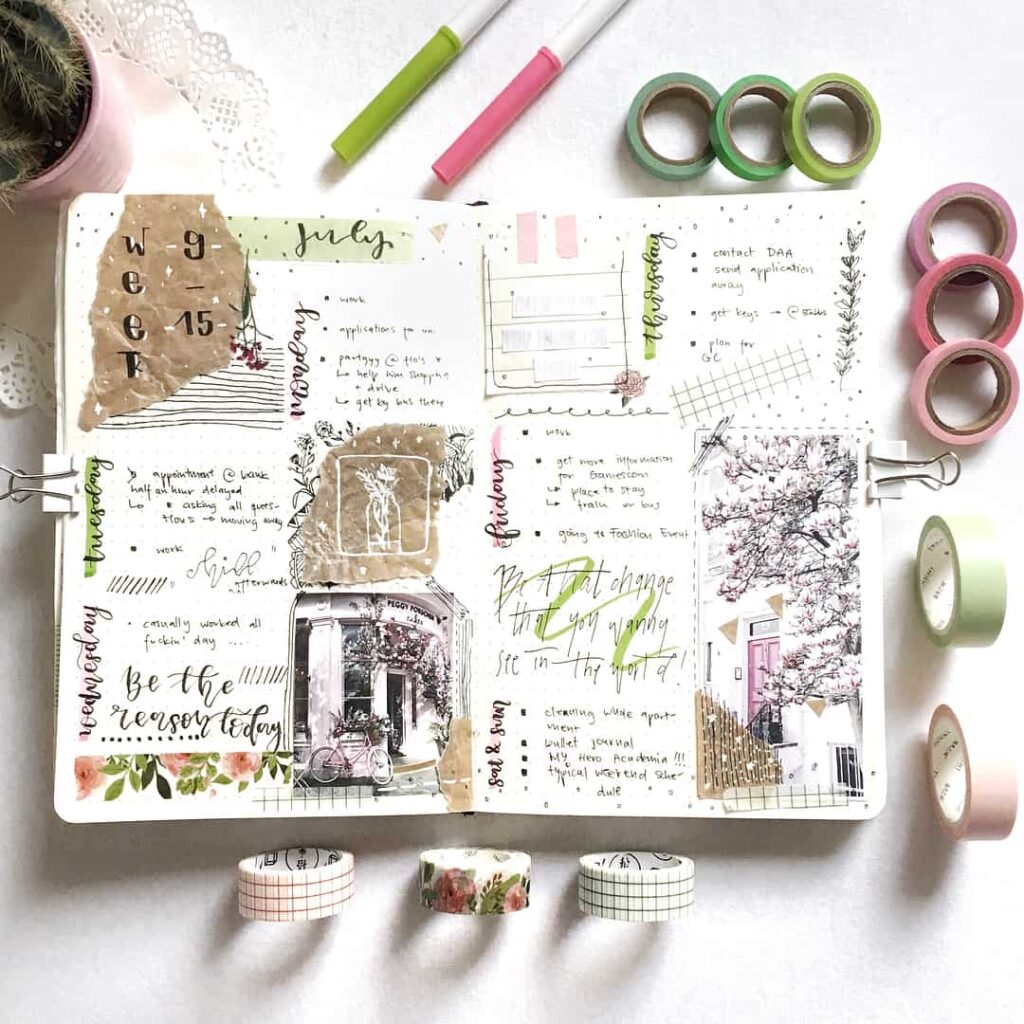
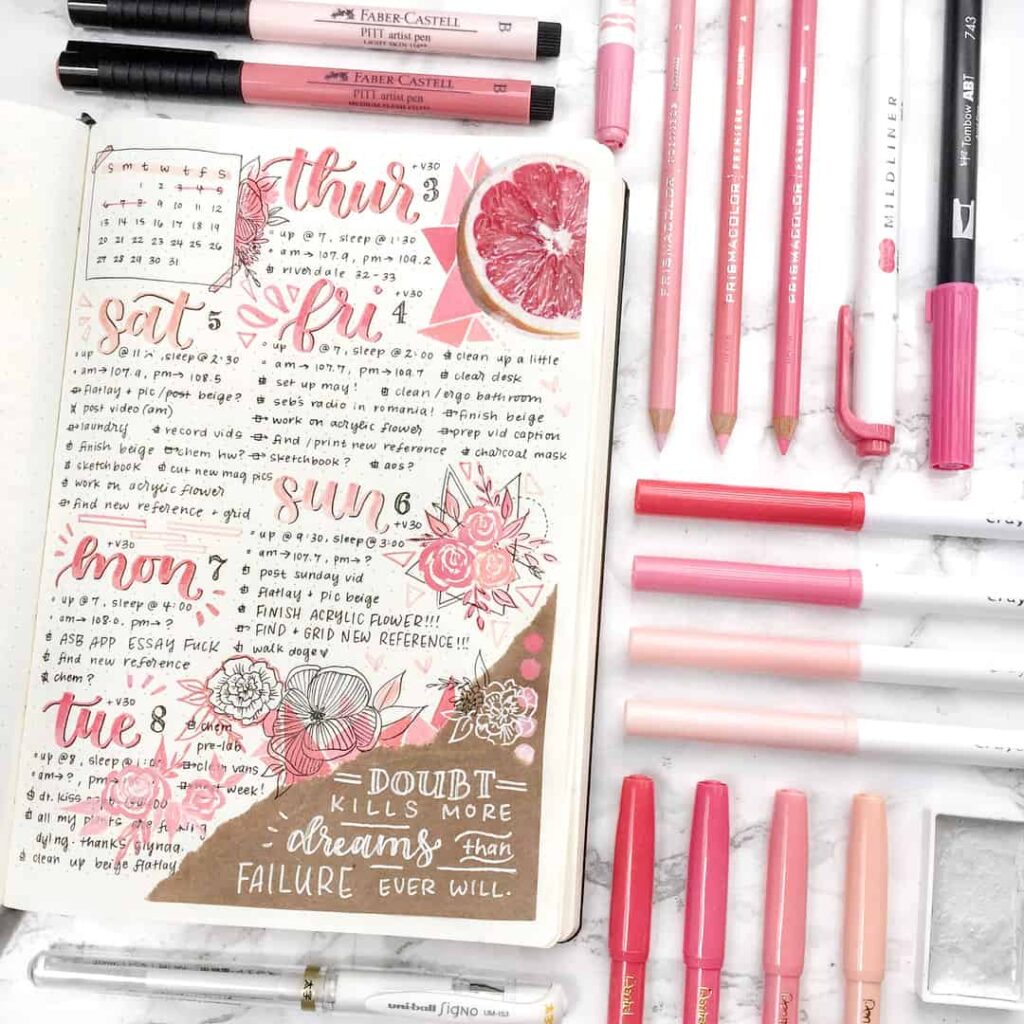
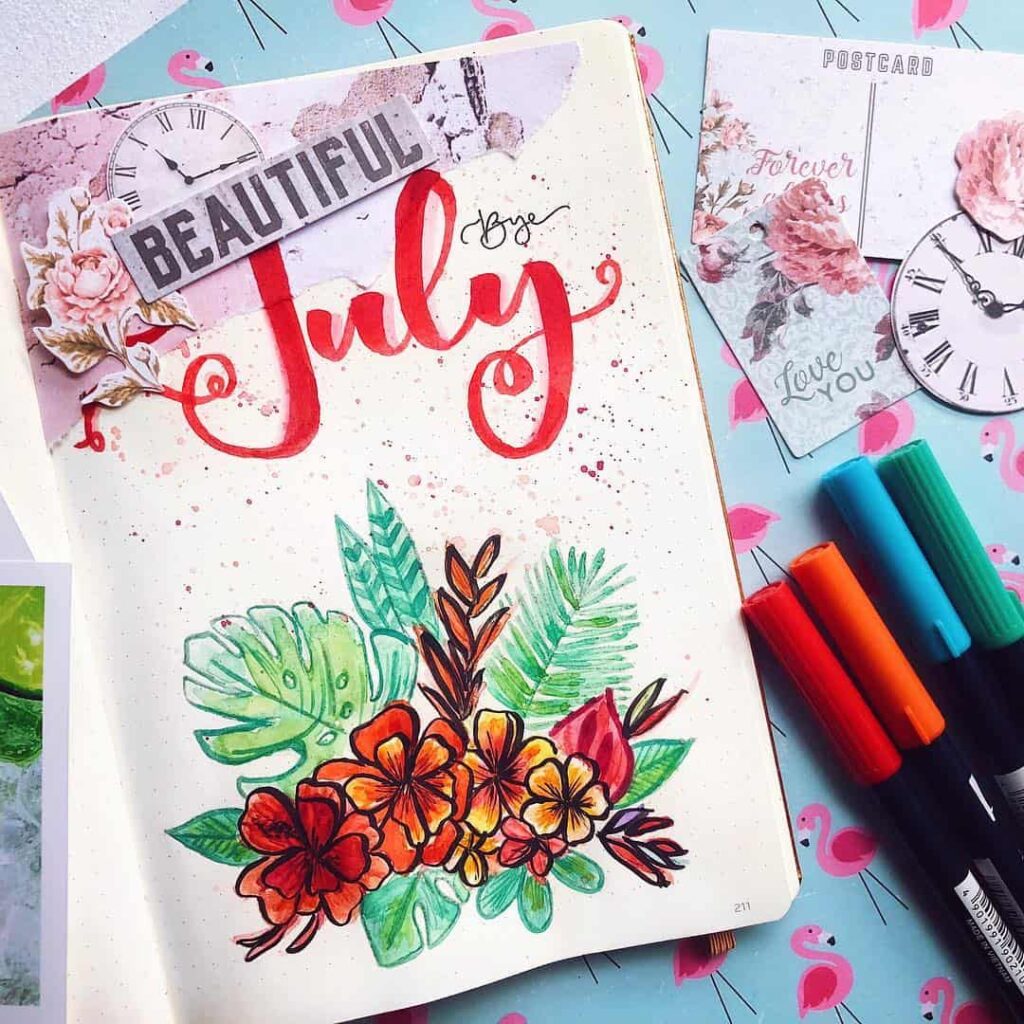
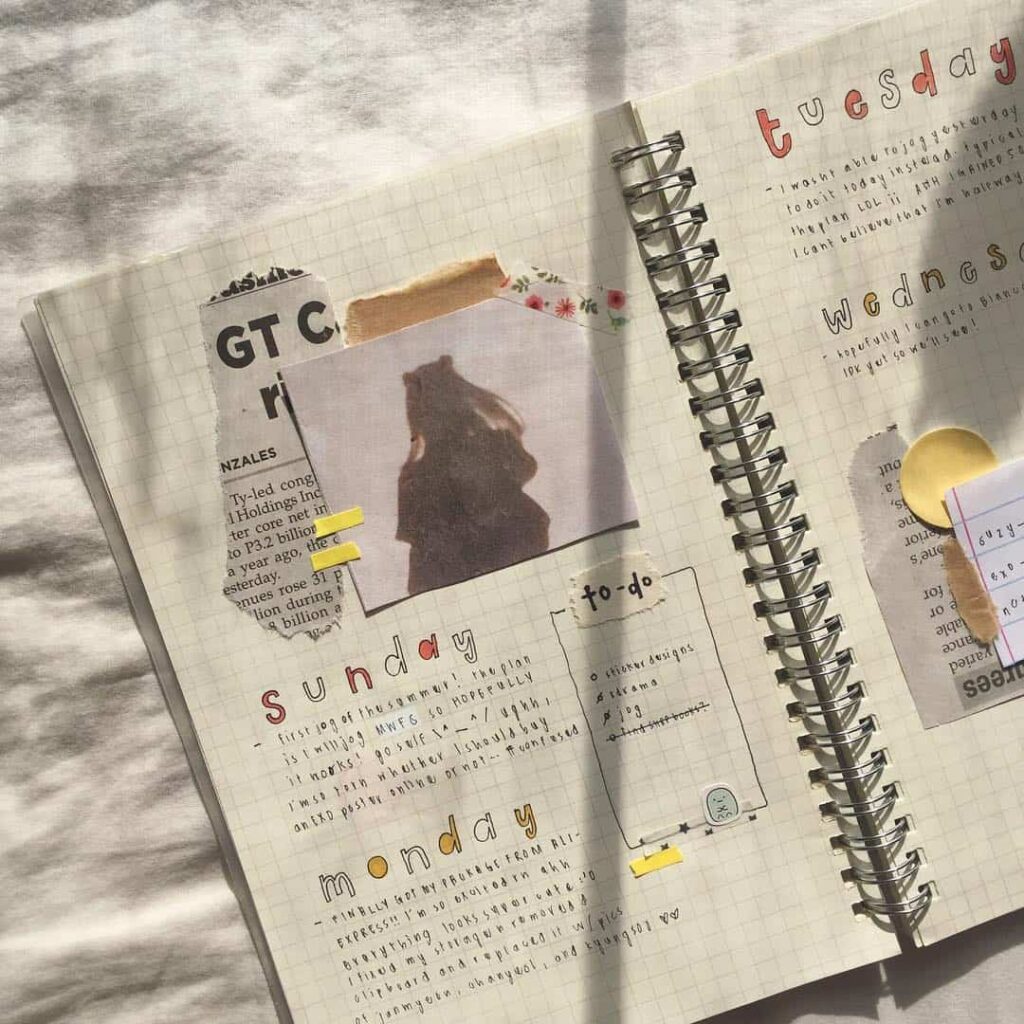
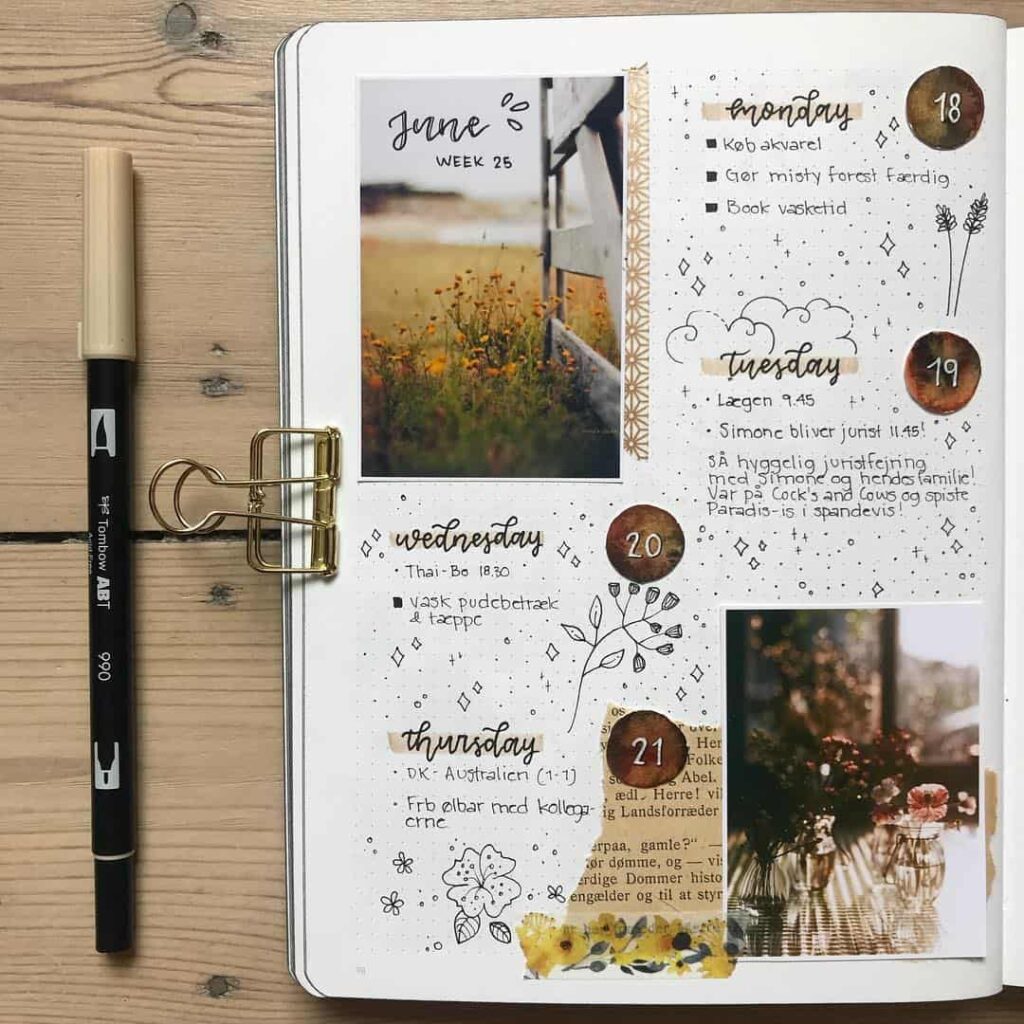
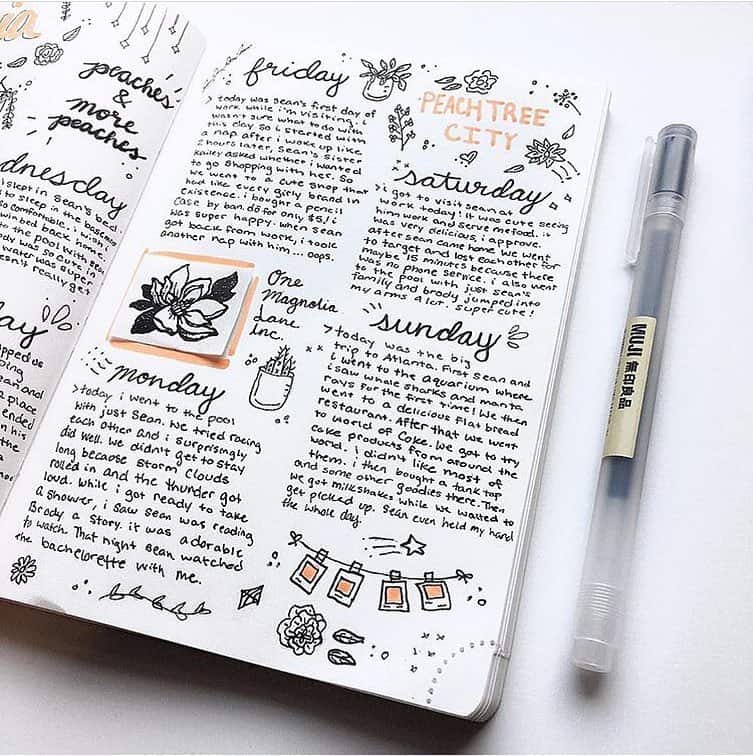
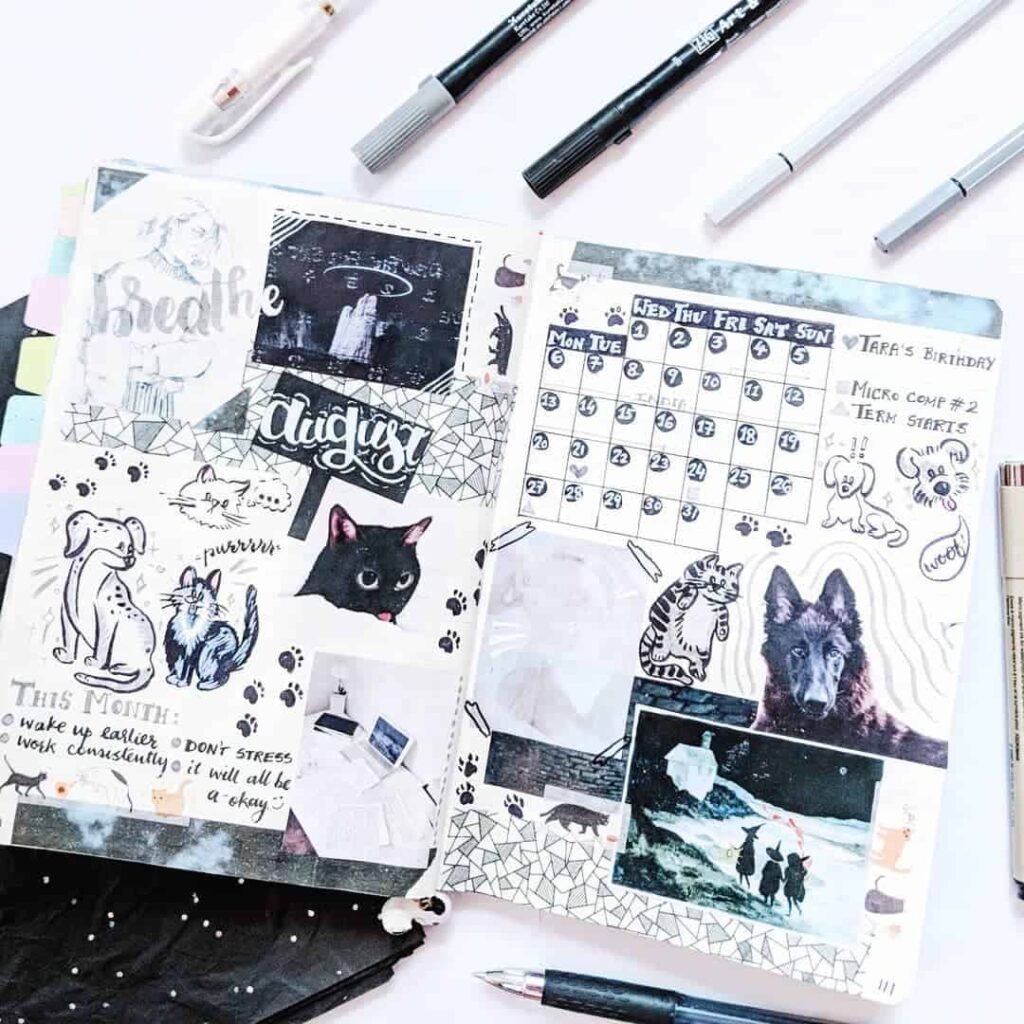
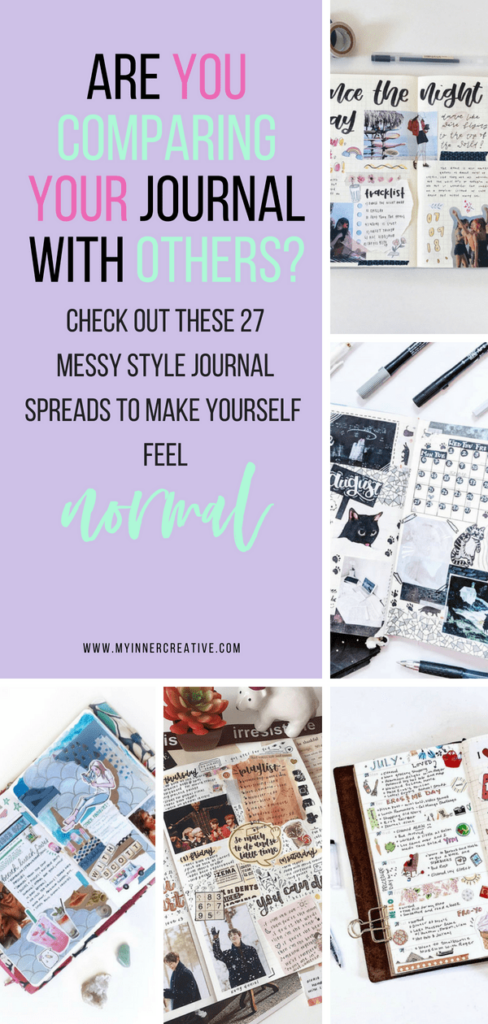
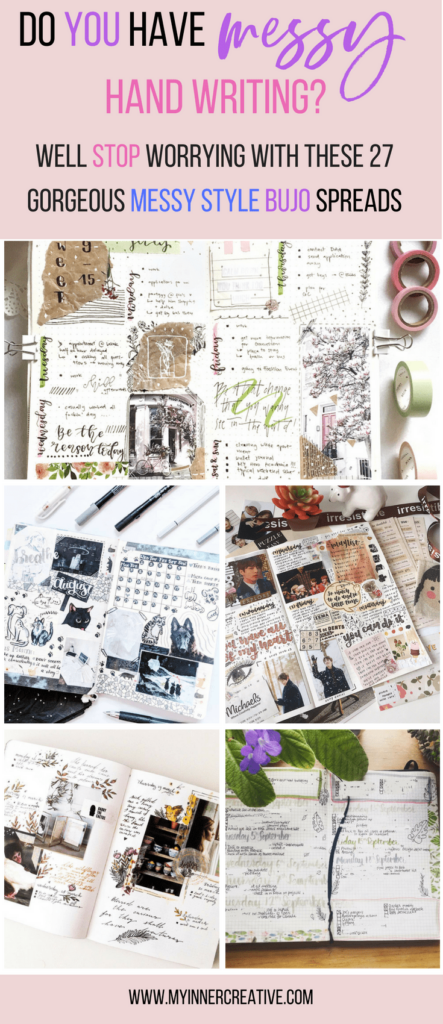
Featured messy-style spreads
Galleries of real, unedited notebook pages are genuinely uncommon online. This is not because most people keep beautiful notebooks — it is because the photographs that travel on social media are selected from the small fraction of pages that photograph well. The rest stay private, not out of shame exactly, but because there is no obvious occasion to share a page that looks like a working document rather than a finished one.
What this creates, over time, is a lopsided public record of what bullet journaling looks like. The pages that get seen are the ones that were made to be seen. The pages that accumulate across a real year of keeping a notebook — the ones where the handwriting got faster, the grid didn’t get finished, the tracker was abandoned after the second week of a difficult month — those pages exist in enormous numbers but almost never appear in the places where people go to learn about the practice or find encouragement to continue it.
The collection below is an attempt to correct that imbalance. These pages were shared by people who kept notebooks and were willing to show what that actually looked like — not the pages they were proudest of, but the ones that were most representative. They were collected at a particular moment in the bullet journal community’s history, when there was enough critical mass of people doing this in practice that a realistic picture became possible to assemble.
They are offered as evidence — that the notebook most people are actually keeping looks more like this than like the version that appears in the most-shared corners of the internet, and that this is not a problem to be solved.

Why the perfect bullet journal isn’t the goal
A bullet journal is a working tool. Like any working tool, it is most useful when it is being used, and least useful when its appearance becomes the priority. A page covered in struck-through tasks is the visible record of a day that was, on balance, productive. A page with one item half-finished and the rest blank is the record of a day that did not go to plan. Both are valid entries; neither is something to feel embarrassed about. The notebook is a tool for getting through weeks, not a portfolio that has to be defended.
The hand-lettering, the watercolour headers, and the carefully themed colour palettes that travel on social media are a separate skill, closer to design or craft than to journaling. People who enjoy that craft can absolutely combine it with their notebook, and many do. But the notebook itself does not require any of it, and the suggestion that it does is one of the more discouraging messages a new journaler is likely to encounter. The practice works first; the pages that look back over a year of using it are evidence of the practice, not its purpose.
The spreads collected here include crossed-out entries, uneven handwriting, abandoned grids, and the kind of inconsistency that builds up across the months of any working notebook. None of these were treated as failures by the people keeping the notebooks. They were treated as what they were: notebooks being used.
Comparison and curated bullet journals
“Comparison is the thief of joy” is a line widely attributed to Theodore Roosevelt, and it applies to bullet journals as cleanly as to most other things.
Spending half an hour scrolling through the most beautiful spreads on the internet tends to leave a person feeling less, rather than more, like opening their own notebook. The polished pages set a standard that real daily life can rarely match, and the gap between the photographed page and the lived one becomes its own small source of friction.
Psychologists have long observed that people compare themselves to others partly to gather information and partly to calibrate their own sense of how they are doing — a tendency Leon Festinger described in the 1950s that has been well-documented since. It serves a real purpose. The trouble is that comparison against carefully curated images, viewed in passive scrolling, tends to bypass the useful information and head straight for the corrosive feelings. The reference point being compared against is not the other person’s actual life; it is the small fraction of that life they decided to photograph and share.
This is worth bearing in mind when looking at any of the more popular bullet journal accounts online. The pages on those accounts are usually carefully photographed and curated, and the notebook the same person actually uses to remember to call the bank tends to look quite different. None of that is dishonest, but it is selective in a way that is easy to forget when scrolling. The right comparison, if a comparison is going to be made at all, is between someone’s first month of journaling and their twelfth, not between any individual’s pages and a feed of curated highlights from a thousand others.
A messy spread, kept consistently, beats a beautiful one kept for two weeks. That is not a moral argument; it is a practical observation about which notebooks end up being useful by the time December arrives. The point of the journal is to record a year and let it be looked back at; pages that nobody opens again, however well-drawn, do less of that work than pages that get returned to and used.










What a working notebook looks like across a year
A notebook kept for twelve months tends to go through recognisable phases, regardless of who is keeping it or what system they are using.
The first month is usually the most visually consistent. The spreads are neater, the system is being followed more carefully, and there is more time and attention going into each page because the practice itself is still new enough to feel deliberate. This is the month most likely to produce a spread that gets photographed.
By the second and third month, the handwriting has relaxed. The spreads are faster. The person keeping the notebook has usually made one or two adjustments to the original system — dropped a tracker that wasn’t useful, added something that was missing, changed the weekly layout because the first version didn’t fit how their week actually ran. These adjustments are a sign that the notebook is working, not that it has gone wrong.
Somewhere between month three and month six, most notebooks have their first genuinely blank week. Sometimes this is because the person was travelling or ill or overwhelmed. Sometimes it is simply because the habit slipped for a few days and then felt like too much to catch up on. The notebooks that survive this period are the ones where the person opened to a new page and started again without trying to retroactively fill in what was missed.
The second half of the year tends to look more individual. By this point, the person keeping the notebook has usually settled into whatever version of the system actually works for them, which may look quite different from how they started. The spreads are less uniform, more adapted, and often more useful as a result. They are also, in most cases, messier — because the notebook is being used rather than managed.
A notebook looked back on in December, with all of this visible across its pages, is a more complete record than one that was kept carefully for six weeks and then abandoned because it no longer looked the way it was supposed to.
Common questions about keeping an imperfect notebook
- Is it okay to skip weeks entirely?
- Yes. A skipped week is a week that happened; the notebook does not require a record of every one of them to remain useful. The more relevant question is whether the notebook gets opened again after the gap. A notebook returned to after two missed weeks is doing its job. One that stays closed because the gap feels too large to recover from is not — and the gap is rarely the actual problem.
- Should I restart the system if I fall behind?
- Not necessarily. Restarting from scratch — new notebook, new system, day one — is a familiar response to a period of inconsistency, and it occasionally helps. More often, it delays the point at which the notebook becomes genuinely useful, because usefulness tends to come from continuity rather than from fresh starts. Opening to the next blank page and continuing from where things stopped is, in most cases, more productive than beginning again.
- Does it matter if my handwriting is inconsistent?
- No. Handwriting varies with tiredness, available time, and how much attention a given day left over for the notebook. A spread with careful Monday lettering and hurried Friday scrawl is a legible record of a week that got busier as it went on. The notebook is a record, not a handwriting exercise, and legibility matters far more than consistency of style.
- What if I stop using a tracker partway through the month?
- A half-filled tracker is still a record of the first half of the month. It is more information than a blank page and more honest than a retroactively completed one. Many people find that a tracker stopped partway through tells them something useful — that the habit it was tracking was less sustainable than it appeared in the first week, or that something changed in their schedule that made it impractical. That information has value even if the grid never got finished.
- Does the notebook have to follow a specific system to be a bullet journal?
- The original bullet journal method, developed by Ryder Carroll, has a defined structure: an index, a future log, monthly logs, and daily logs using a specific rapid logging key. In practice, most people who keep a bullet journal adapt or abandon parts of that structure over time, keeping what is useful and dropping what is not. The adaptations visible in the spreads above — simplified layouts, dropped collections, modified symbols — are not departures from the method so much as evidence of it being used as it was intended: as a flexible tool rather than a fixed template.
If any of the spreads above look like yours — incomplete grids, weeks skipped, handwriting that went downhill by Thursday — that is the point of collecting them. A notebook that has been used looks used. That is not a flaw in the record; it is the record.