Editorial note: This article was originally published on My Inner Creative and has been updated and republished in May 2026 under The Vessel’s editorial standards.
A routine spread is a page in a bullet journal that lays out the small repeated actions that make up a morning, an evening, a workday, or a week, in the order in which they tend to happen. It does not record what occurred on any single date; it records what is supposed to happen most days, and over time it becomes a quiet reference for the parts of the week that benefit from being written down rather than remembered.
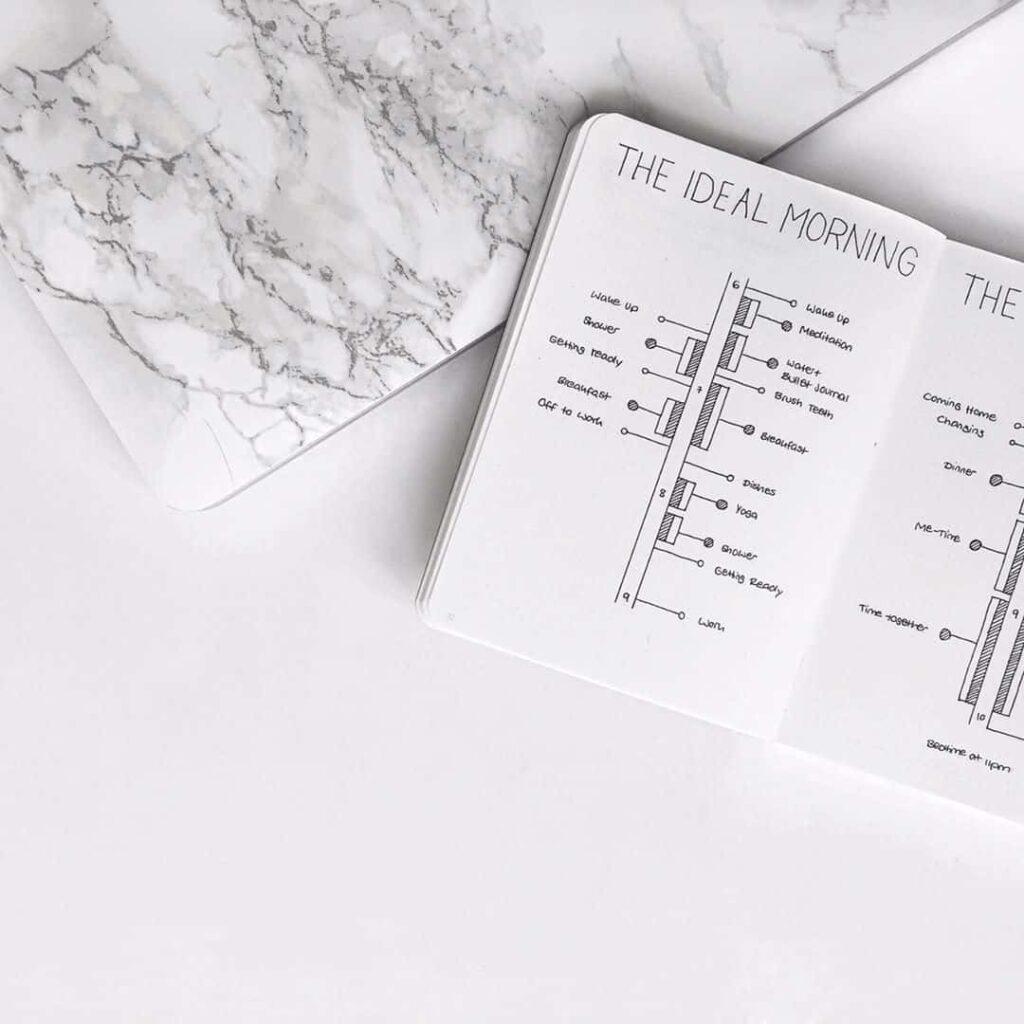
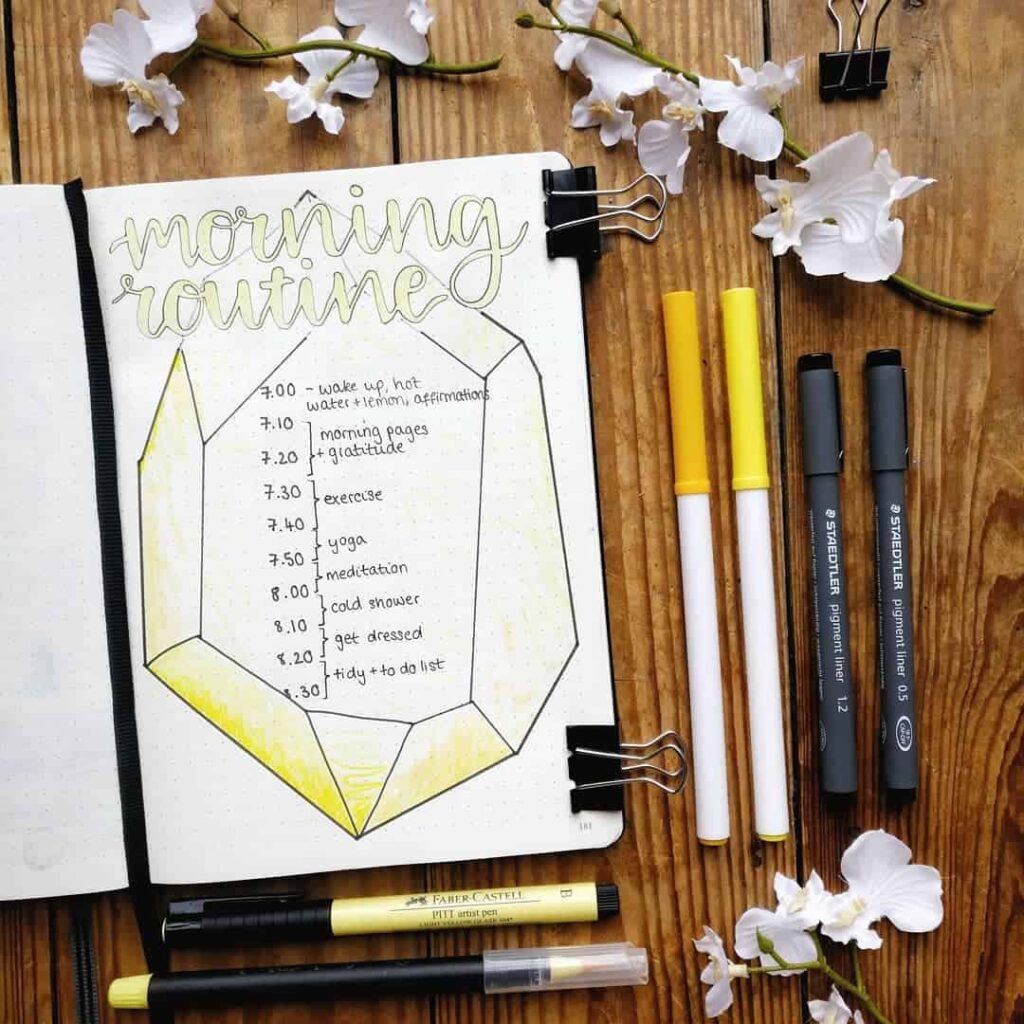
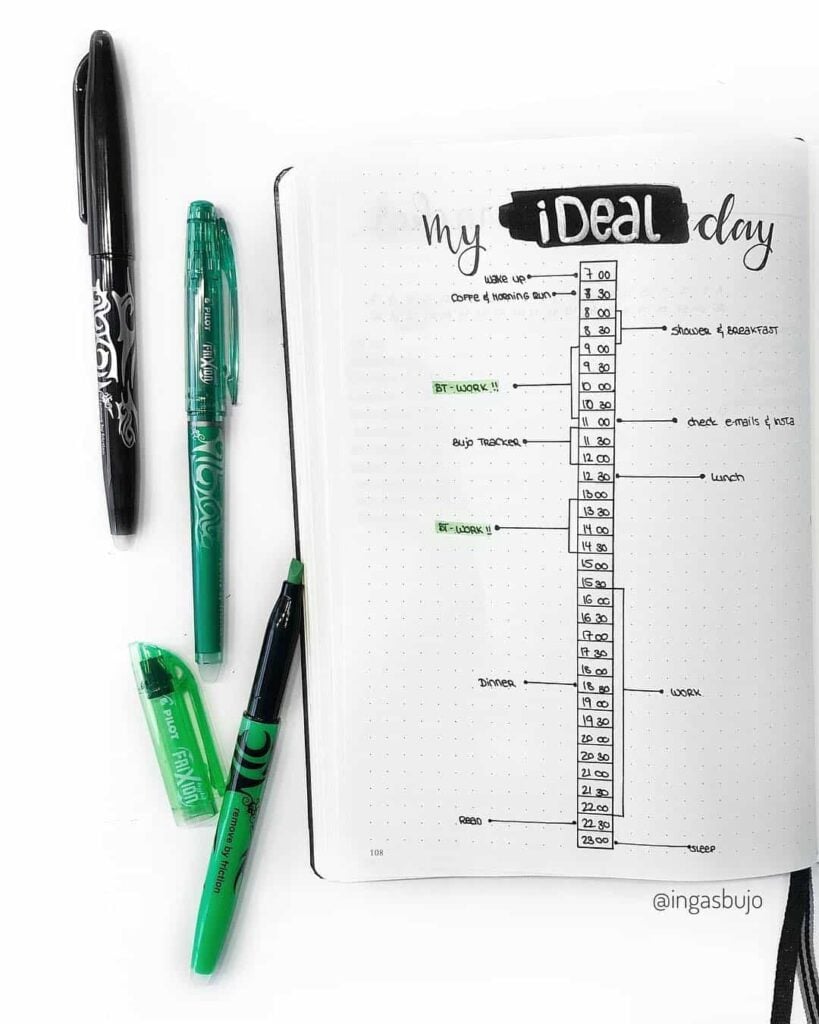
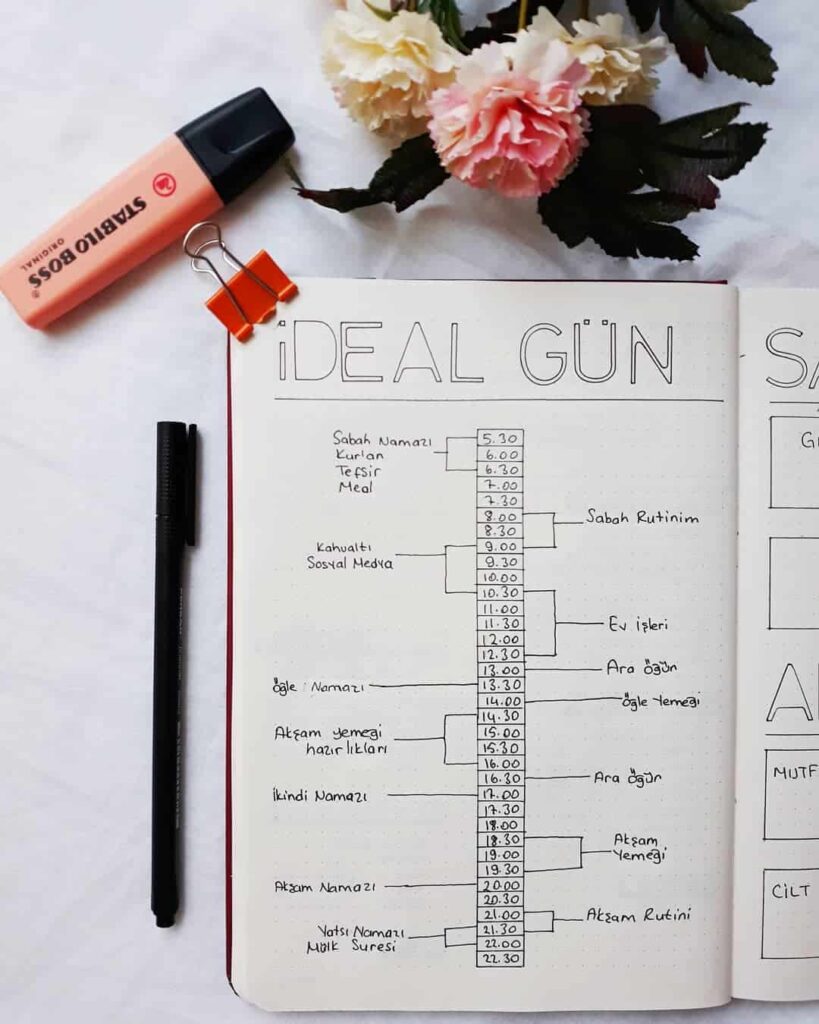
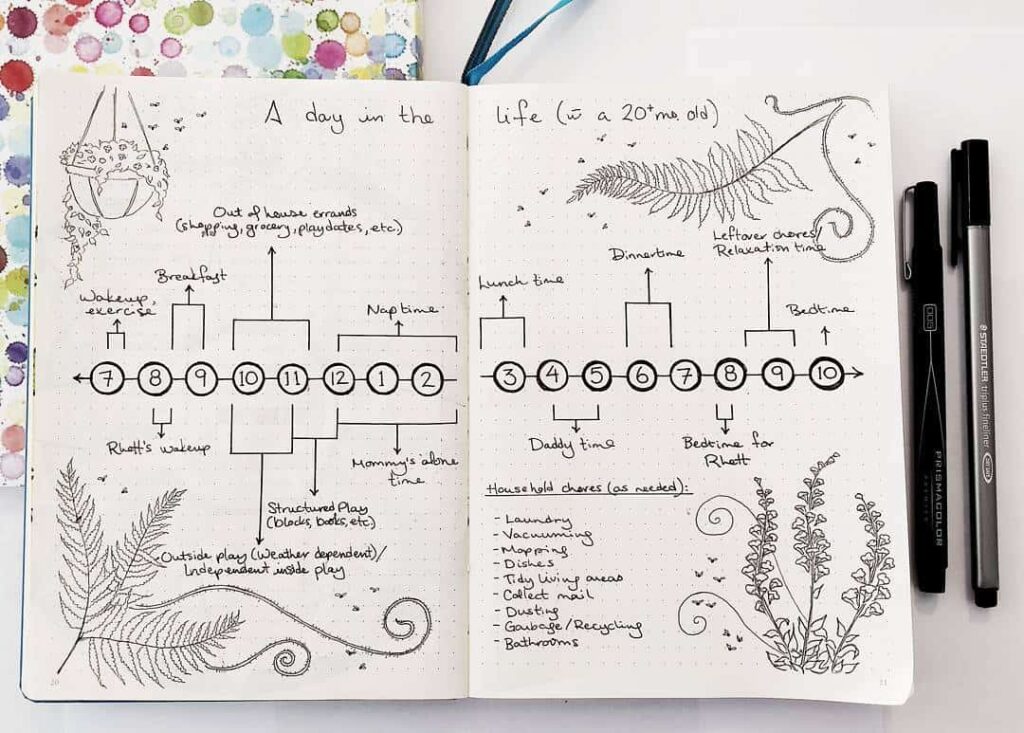
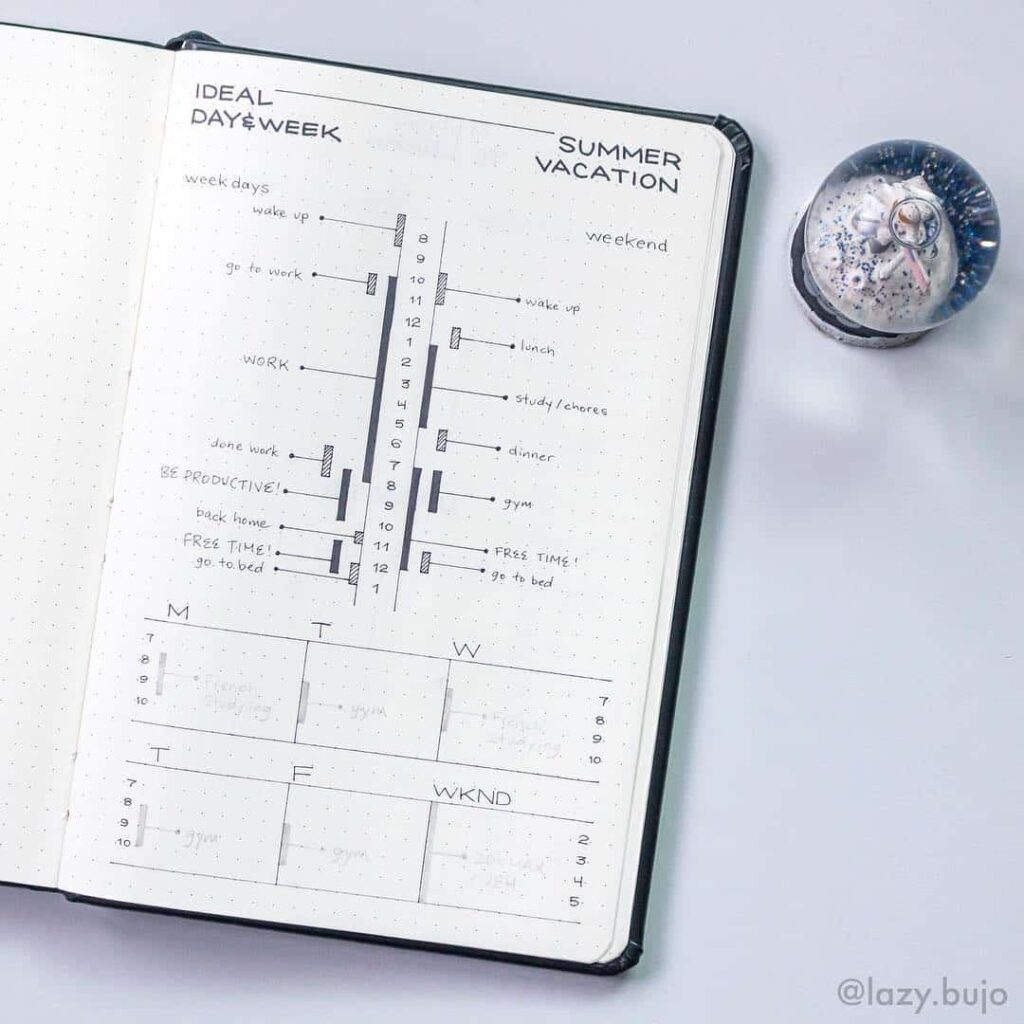
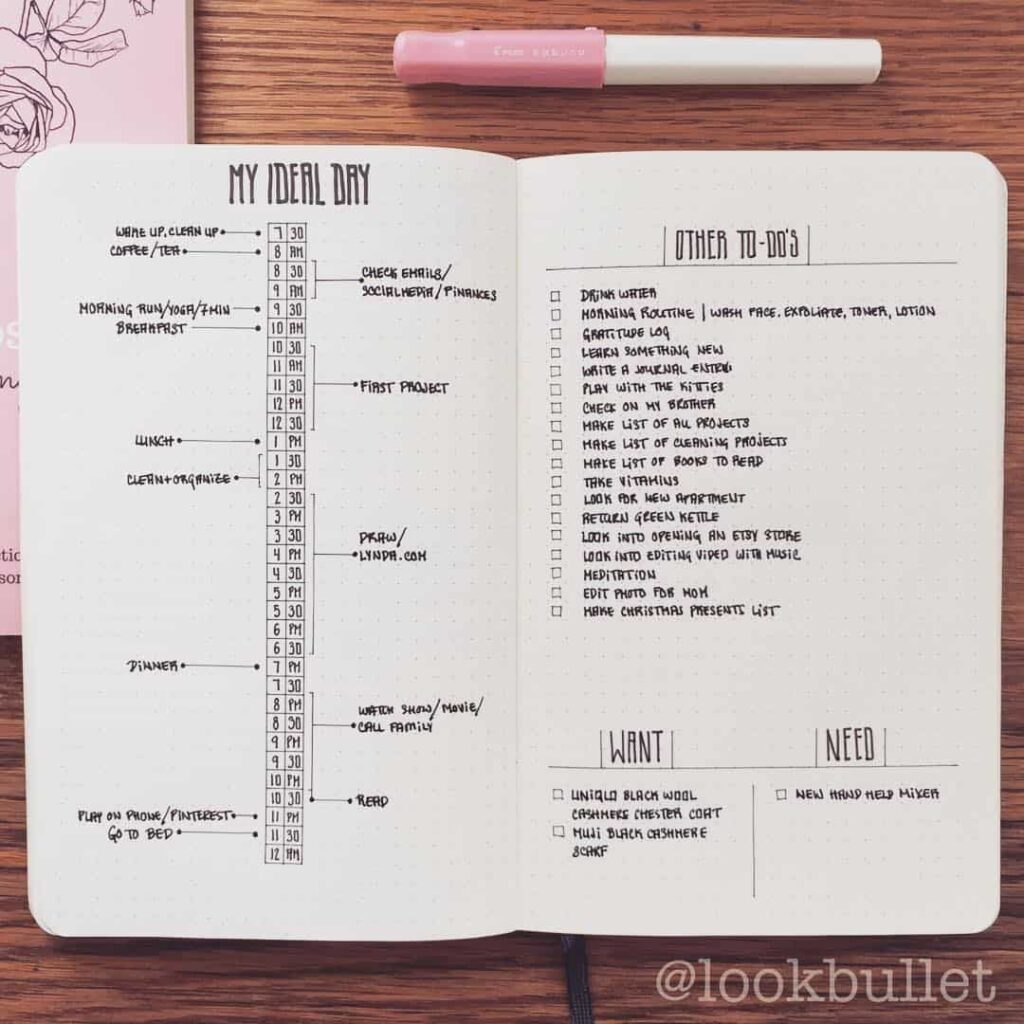
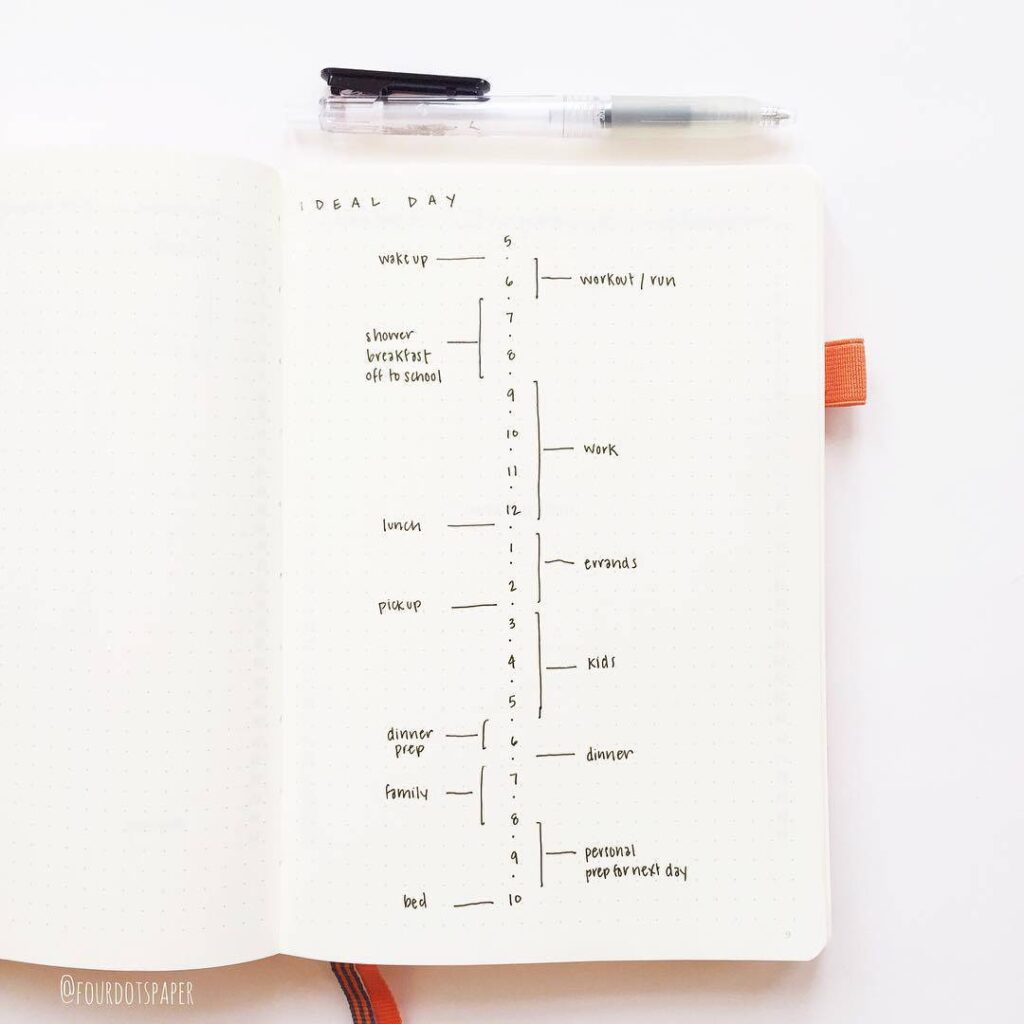
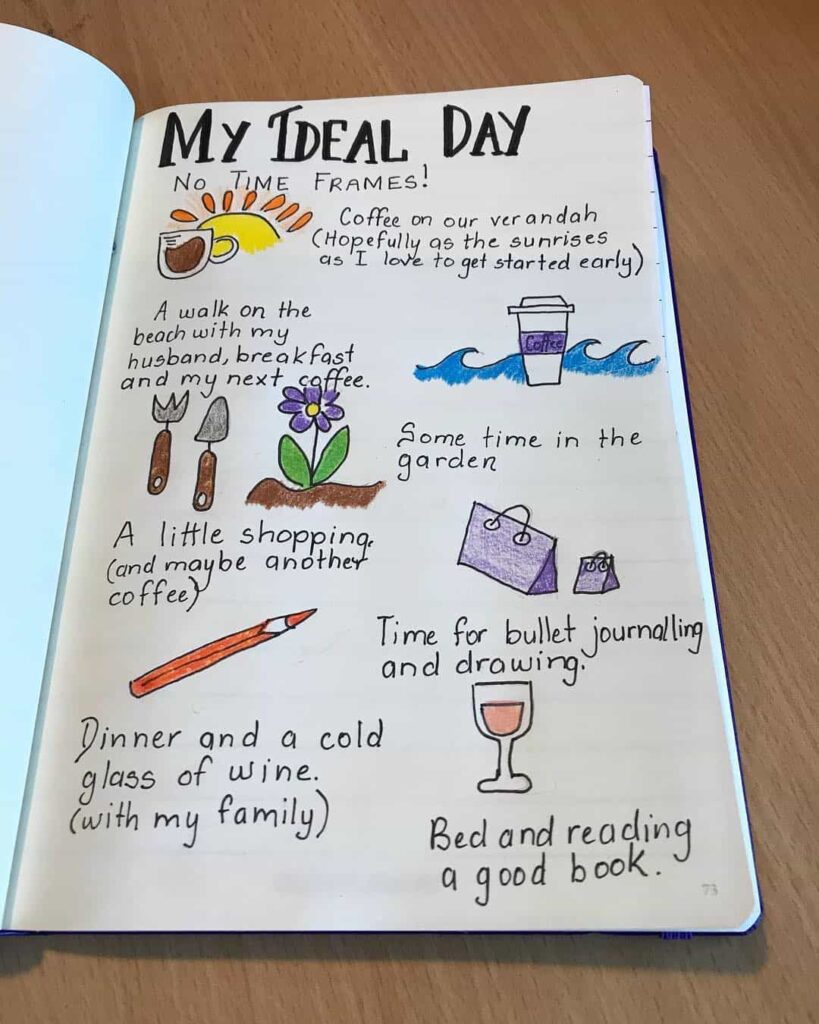
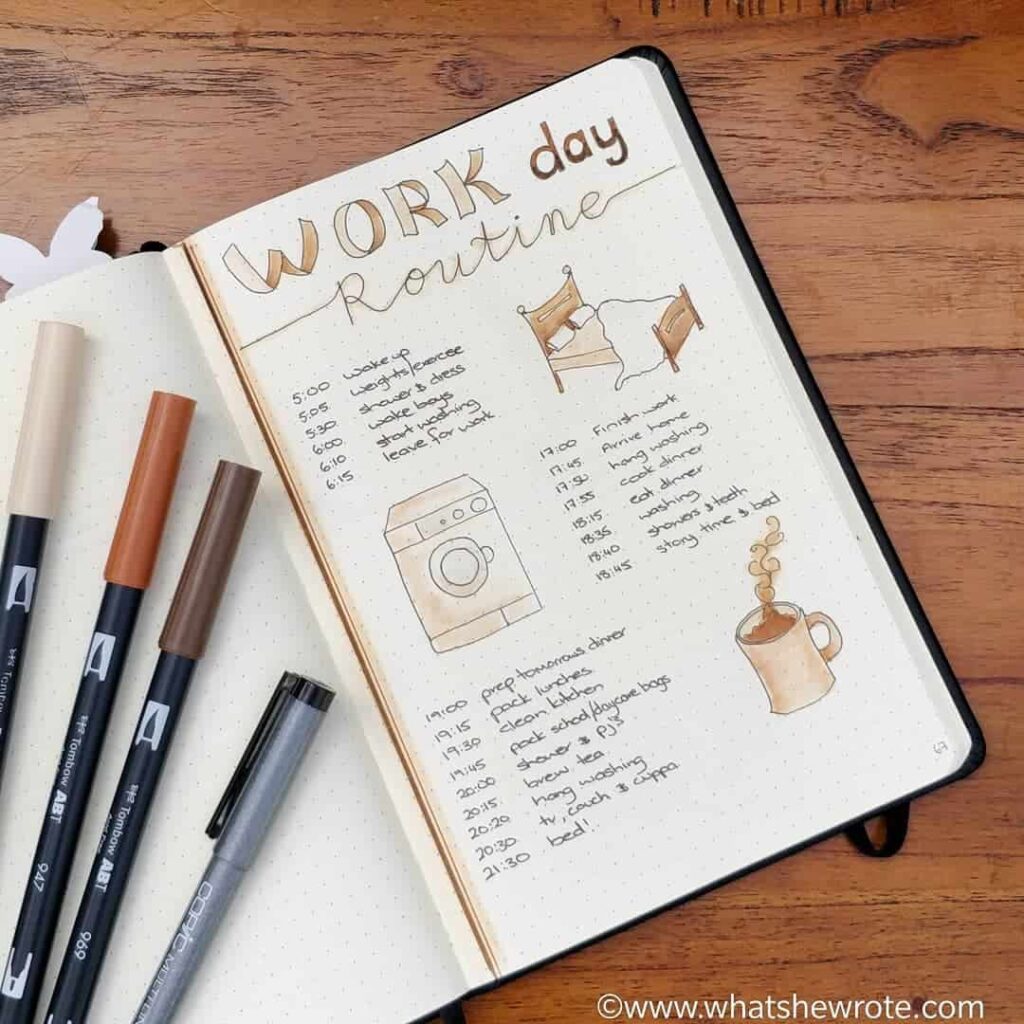
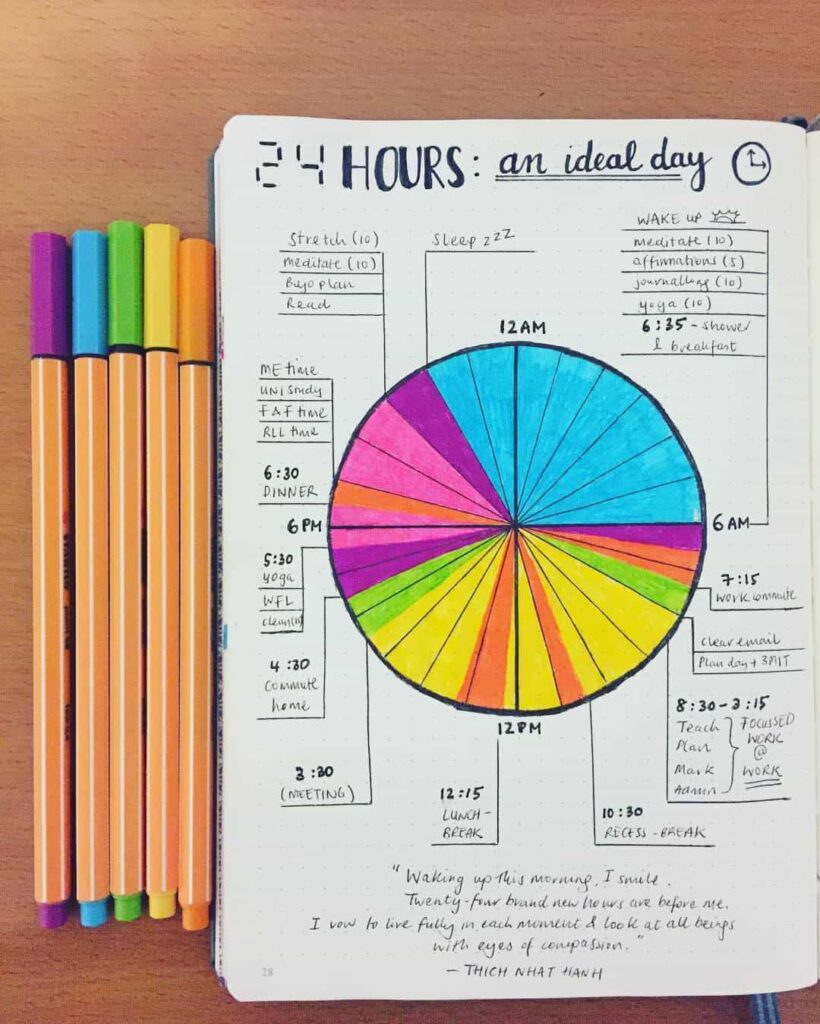
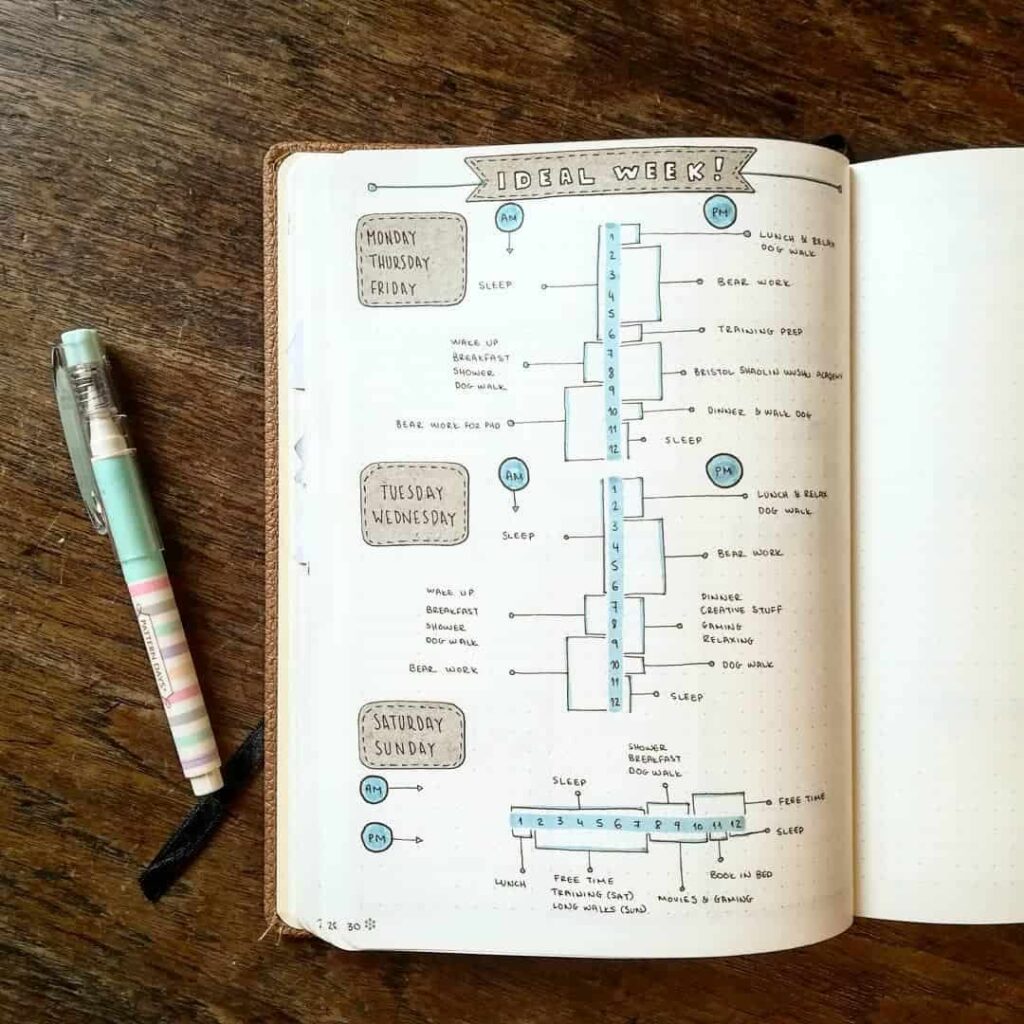
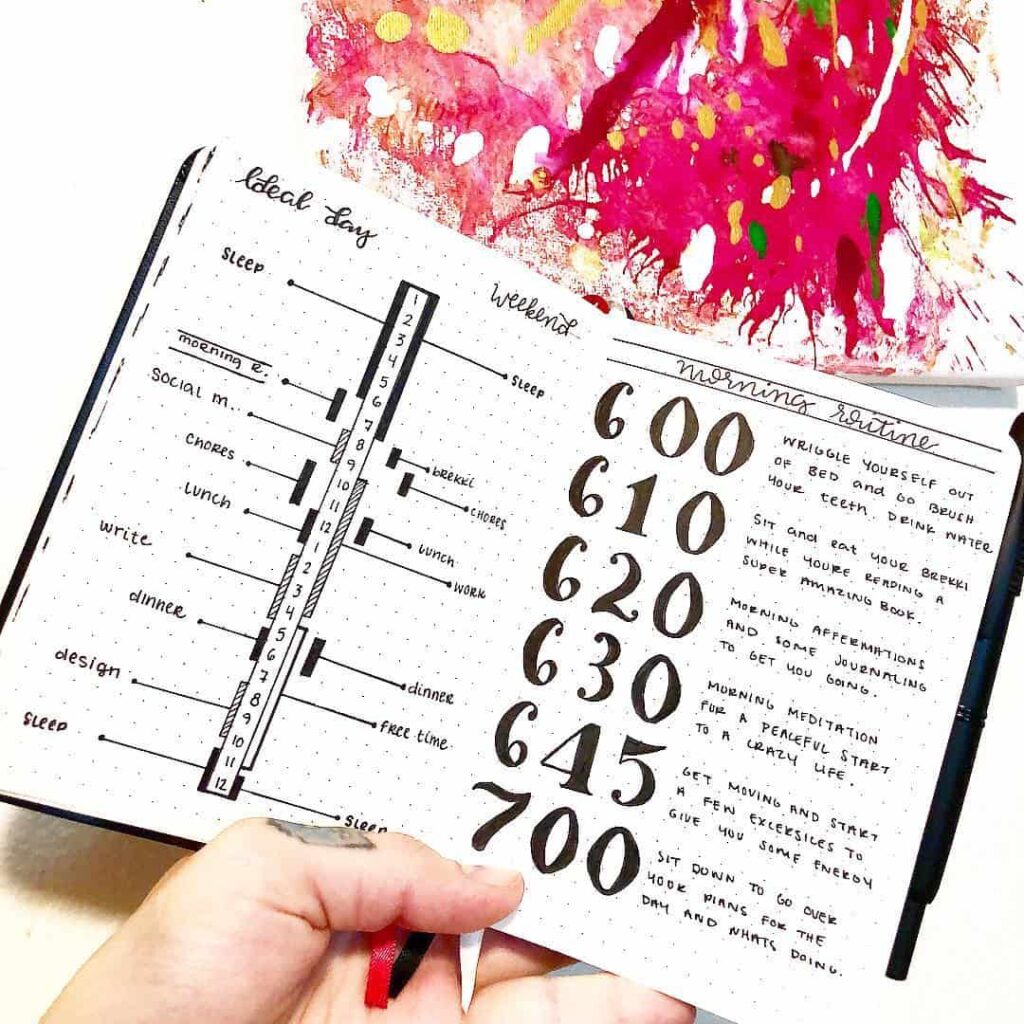
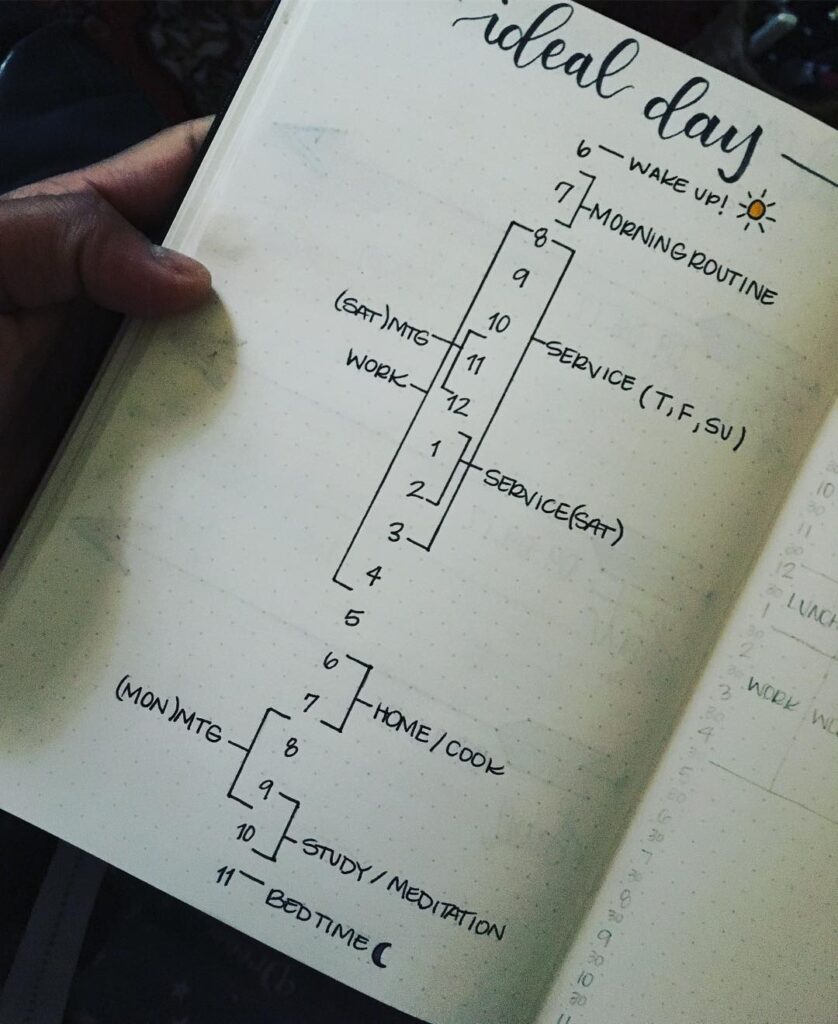
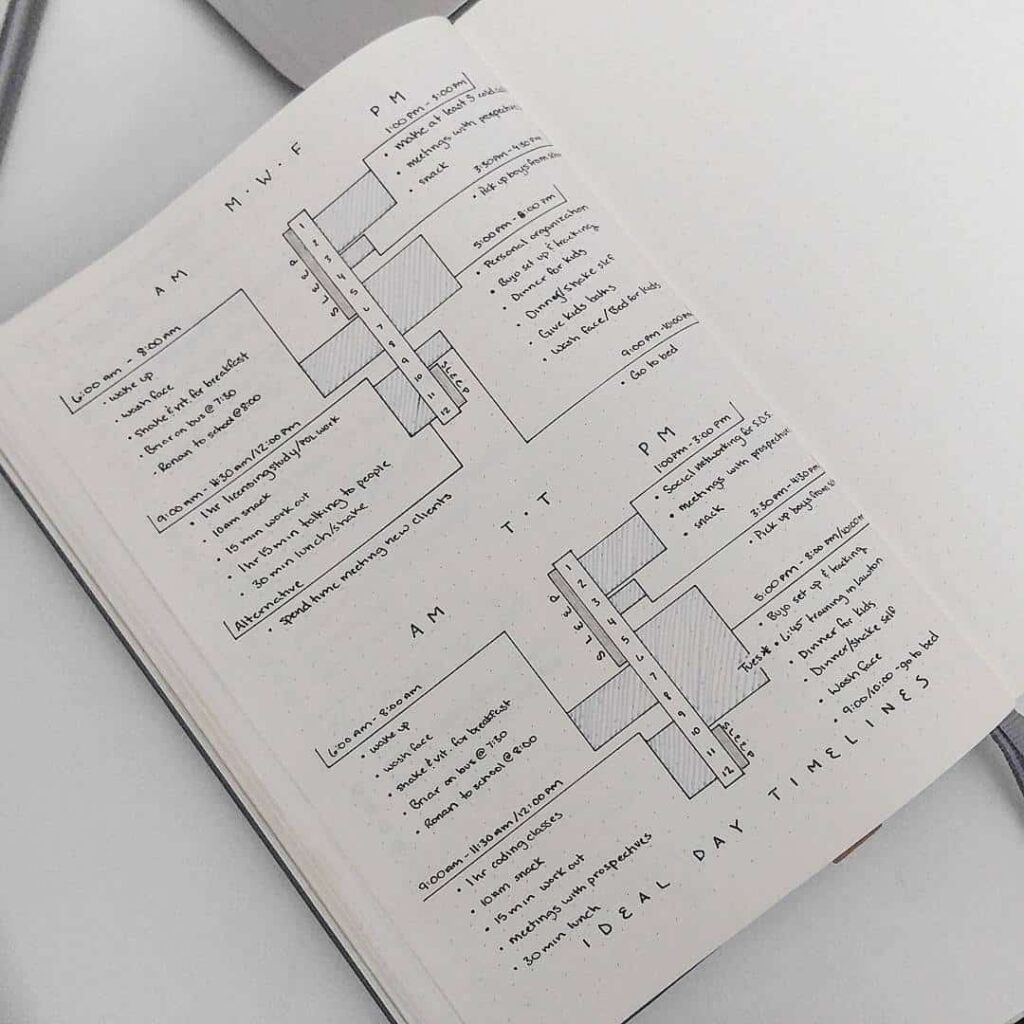
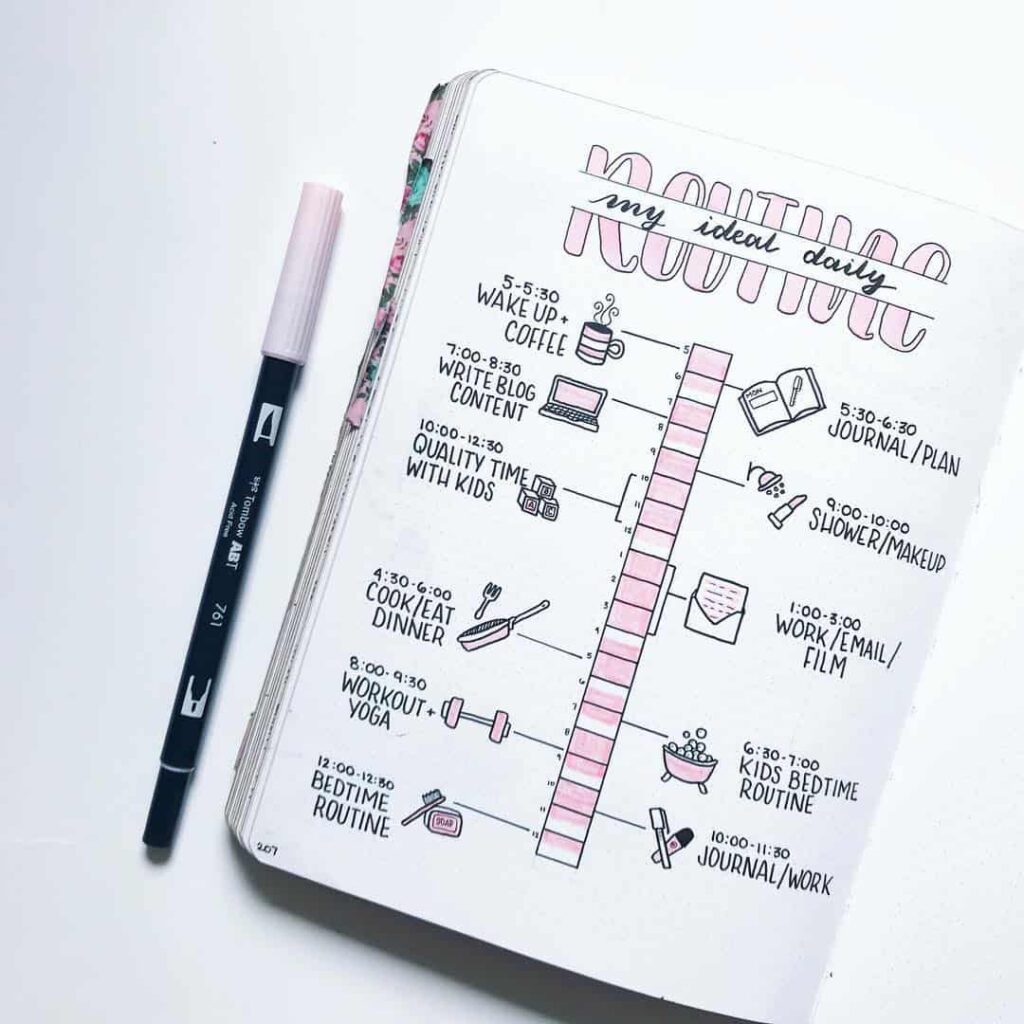
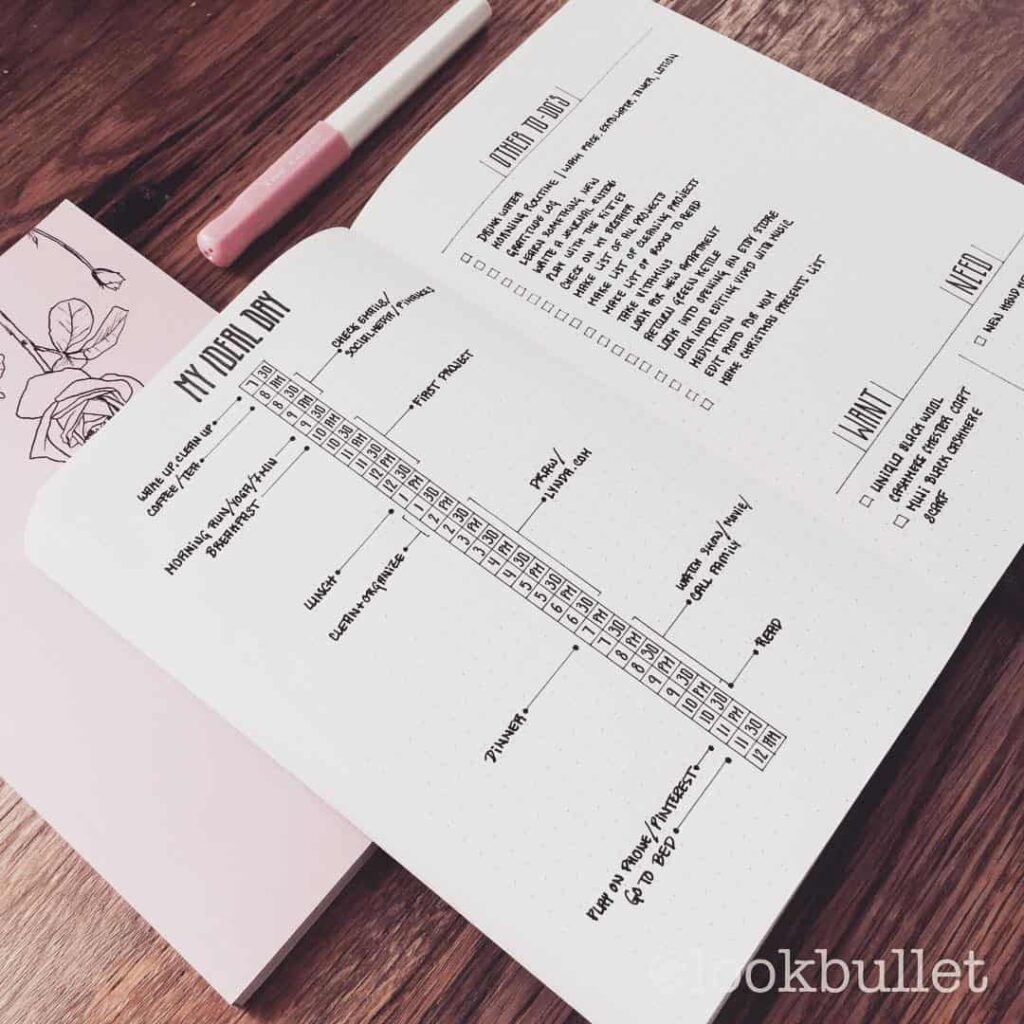
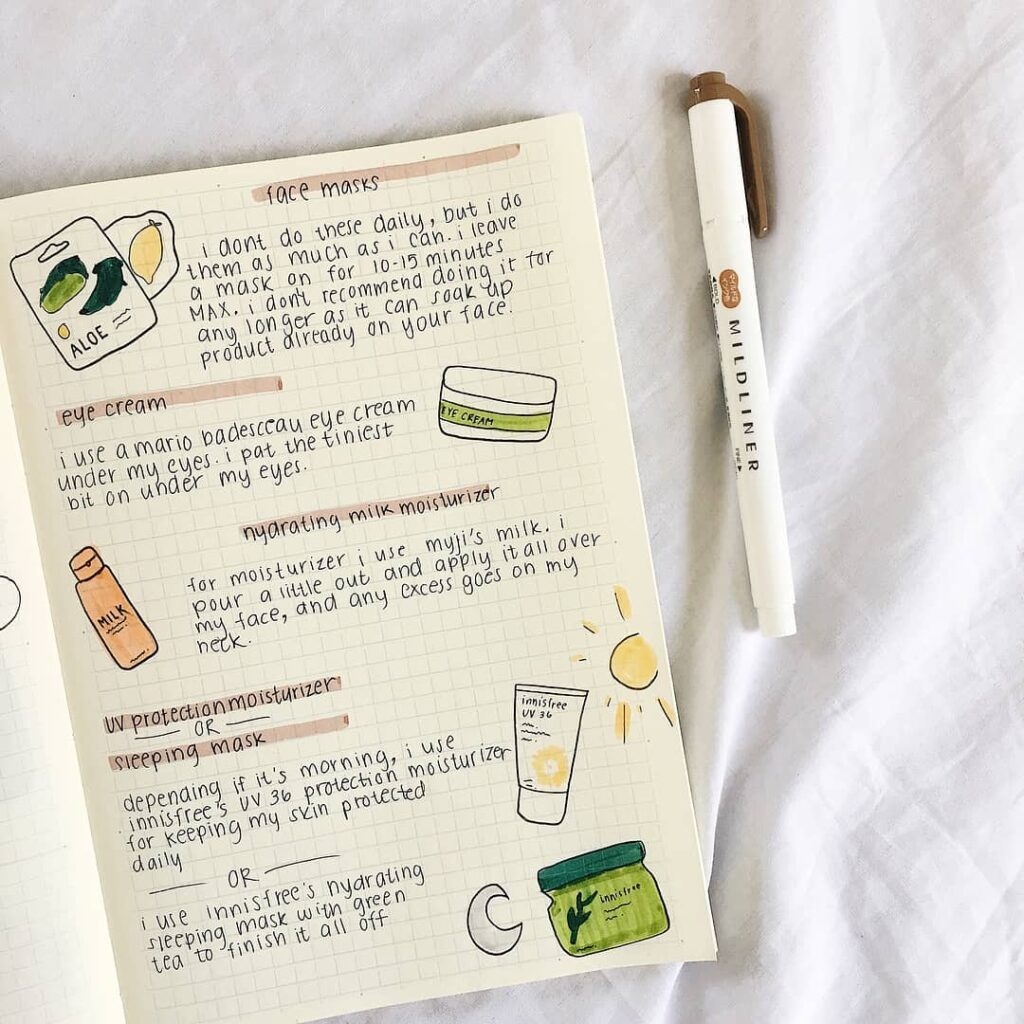
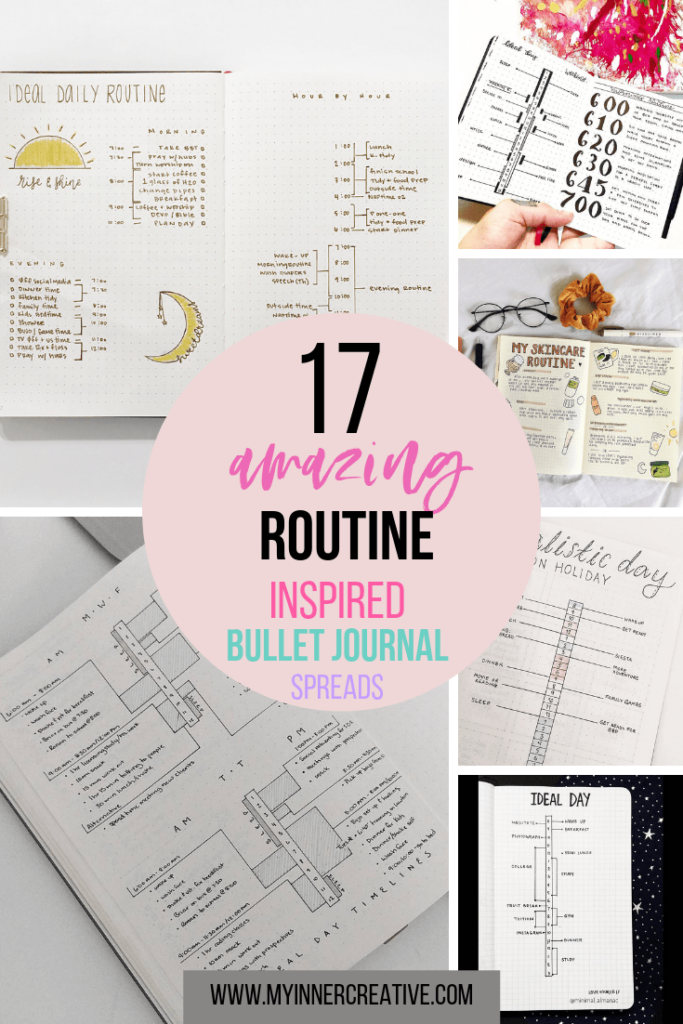
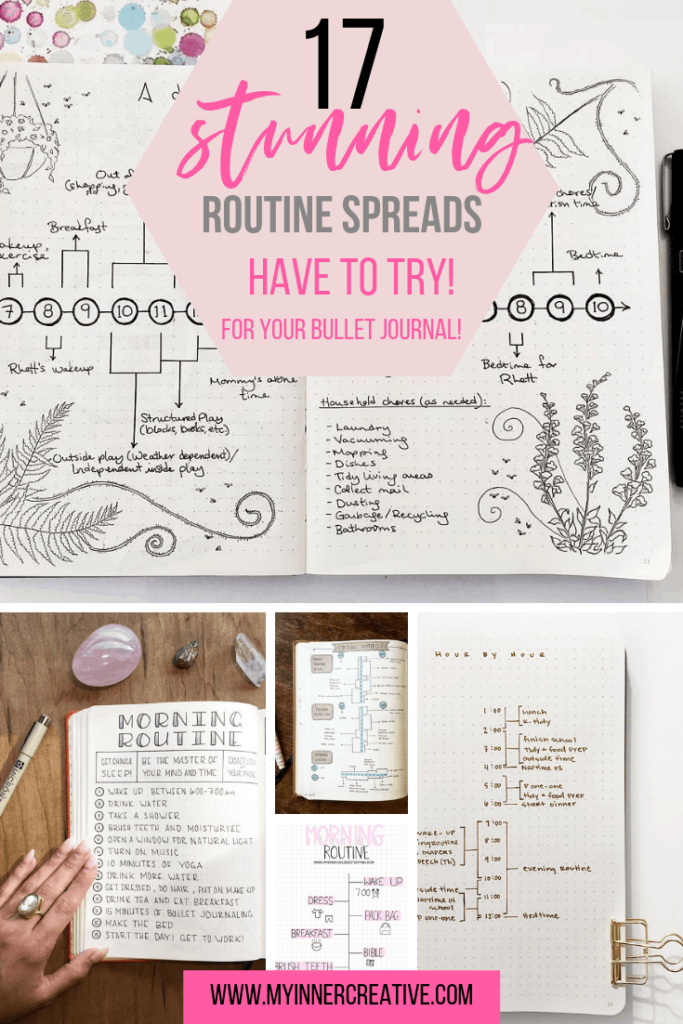
The spreads collected below were originally featured on My Inner Creative as a small survey of how journalers structure those routines on the page. They include morning sequences, evening wind-downs, weekday and weekend variations, and a few hybrid layouts that combine a routine with a daily habit tracker. The format is forgiving — a routine spread is mostly a list with a header and a date column, and most of the variation across the gallery is in how decorated or how plain the journaler wants the page to be.
What a routine spread typically tracks
A routine spread is usually a short list of actions, in sequence, that the journaler is trying to do most days. A morning routine might begin with making the bed, drinking a glass of water, ten minutes of stretching, breakfast, and a short period of reading before the day proper begins. An evening routine might begin with the dishes, end with putting the phone outside the bedroom, and have three or four steps in between. The list itself is small. What the page adds is a tick column running alongside the list — usually one column per day for a week or a month — so that the journaler can mark each step as it happens.
This is not quite the same thing as a habit tracker. A habit tracker records the frequency of a single behaviour across many days — water intake, meditation, exercise — and the page treats each habit as independent. A routine spread treats the actions as a sequence; the morning is a small chain of steps rather than a list of separate habits. Several of the spreads below blur the two, with a routine list down the left and a habit grid to the right of it.

Why people put routines in a notebook
The most practical reason is that a routine written on a page is easier to follow than a routine kept in memory, particularly during the periods of life when memory is most likely to fail at it — early starts, late finishes, weeks of high stress, the first weeks after a move or a change of job. The page does not require a notification, a phone unlock, or an app subscription. It can be left open on a counter and seen on the way past.
Beyond the practical reason, a consistent daily structure is often associated with steadier sleep and a calmer week, though the size of any individual effect varies a great deal from person to person. The specifics of any routine matter less than whether it is followed often enough to stop being a decision and start being a default. A spread on the page is one small lever for getting to that point.

Morning routines on the page
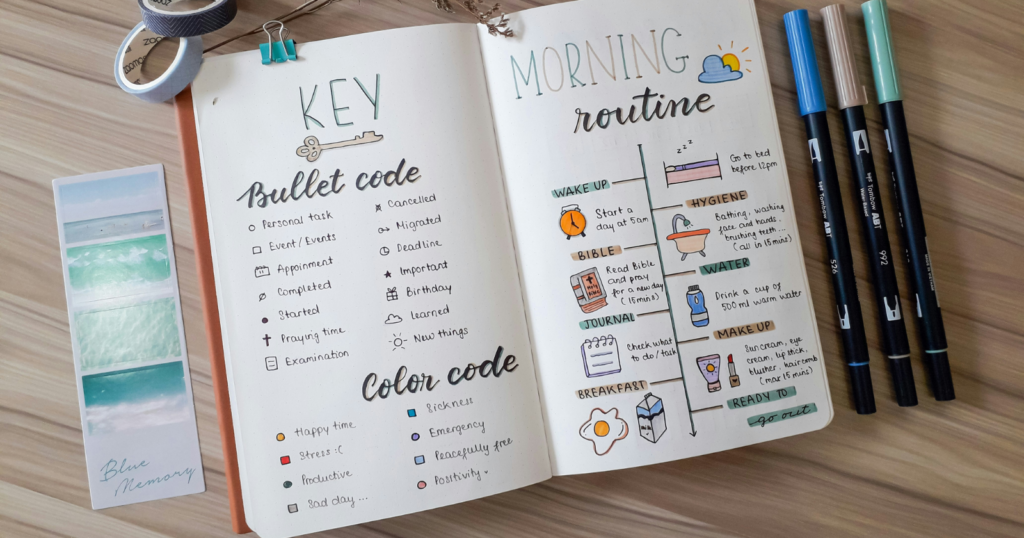
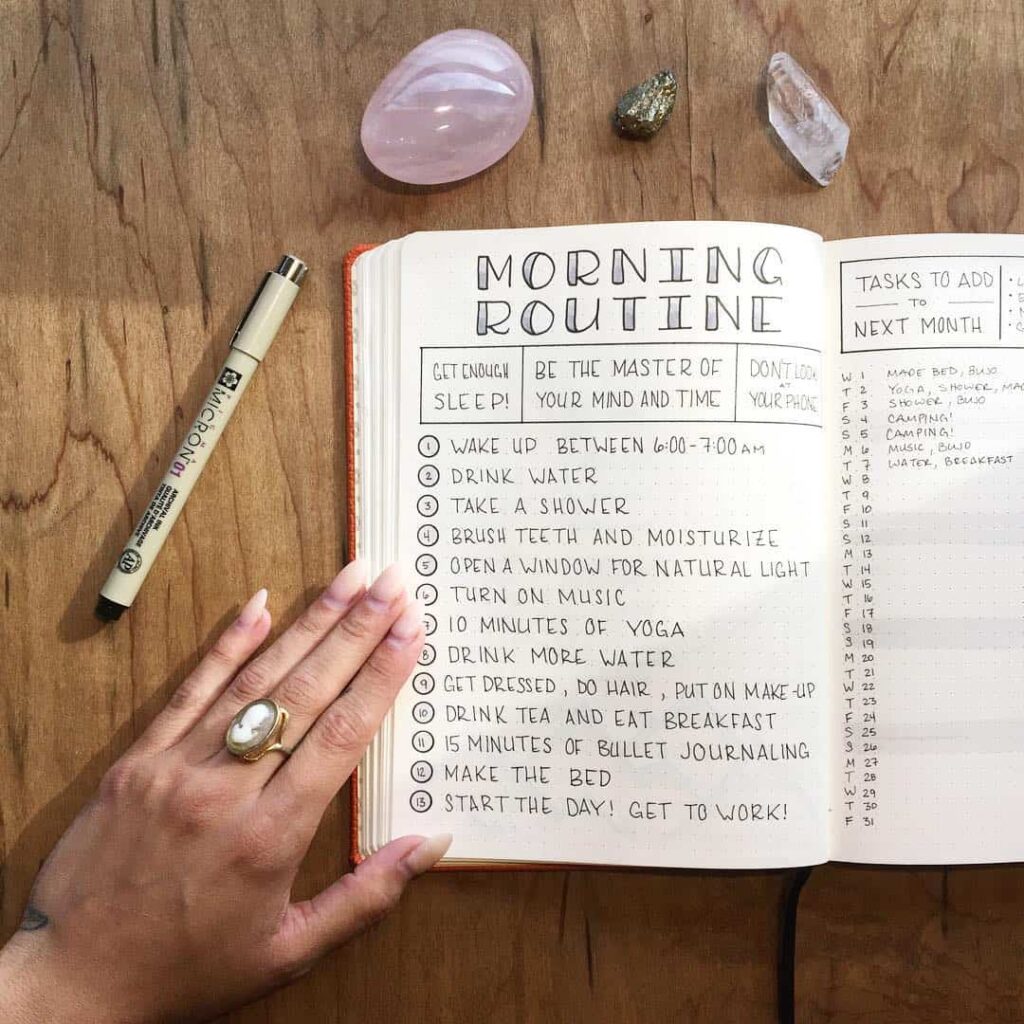
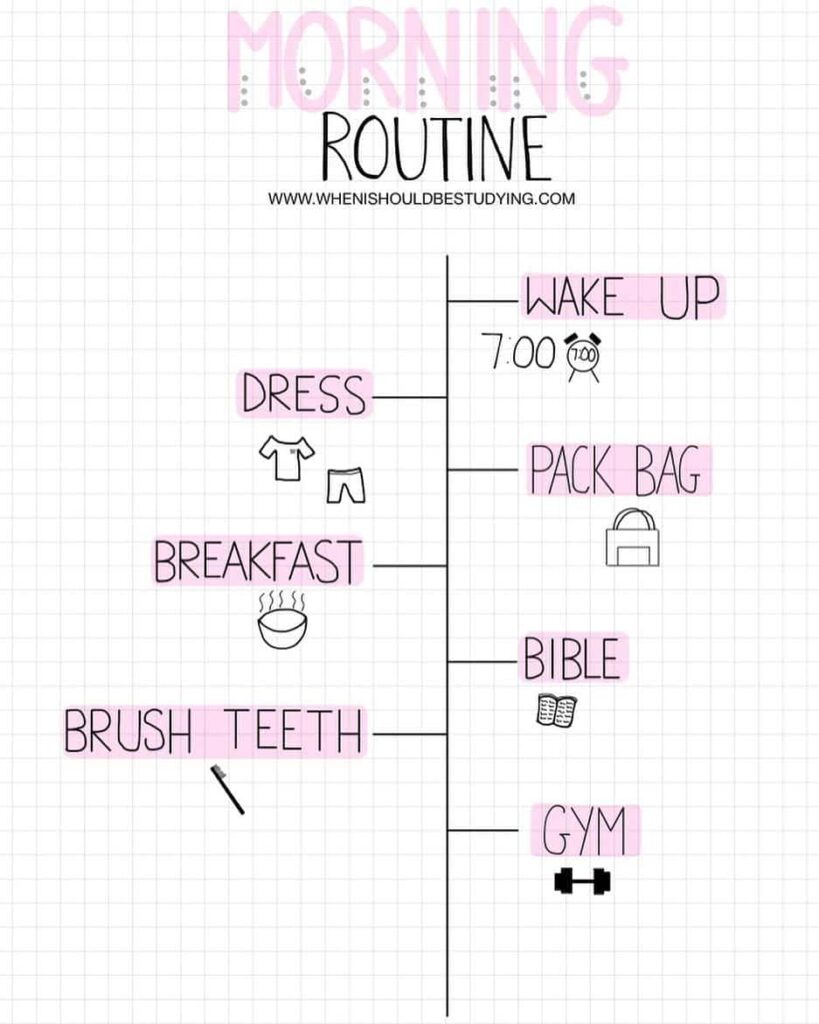
Most morning routine spreads in this gallery share a small set of conventions. The page is laid out vertically, with the steps listed in order down the left side and a grid of empty boxes extending to the right, one box per day. The number of steps varies — a short list is easier to keep up with on a quiet weekday morning, and a long list is more thorough but more often left half-filled.
The contents vary by journaler. A common pattern is to begin with something that requires almost no effort and to move toward steps that need more attention — making the bed, drinking water, a few minutes of movement, breakfast, then planning the day. The order on the page is mostly a question of what the journaler is trying to remember rather than a fixed prescription.
Evening and night routines
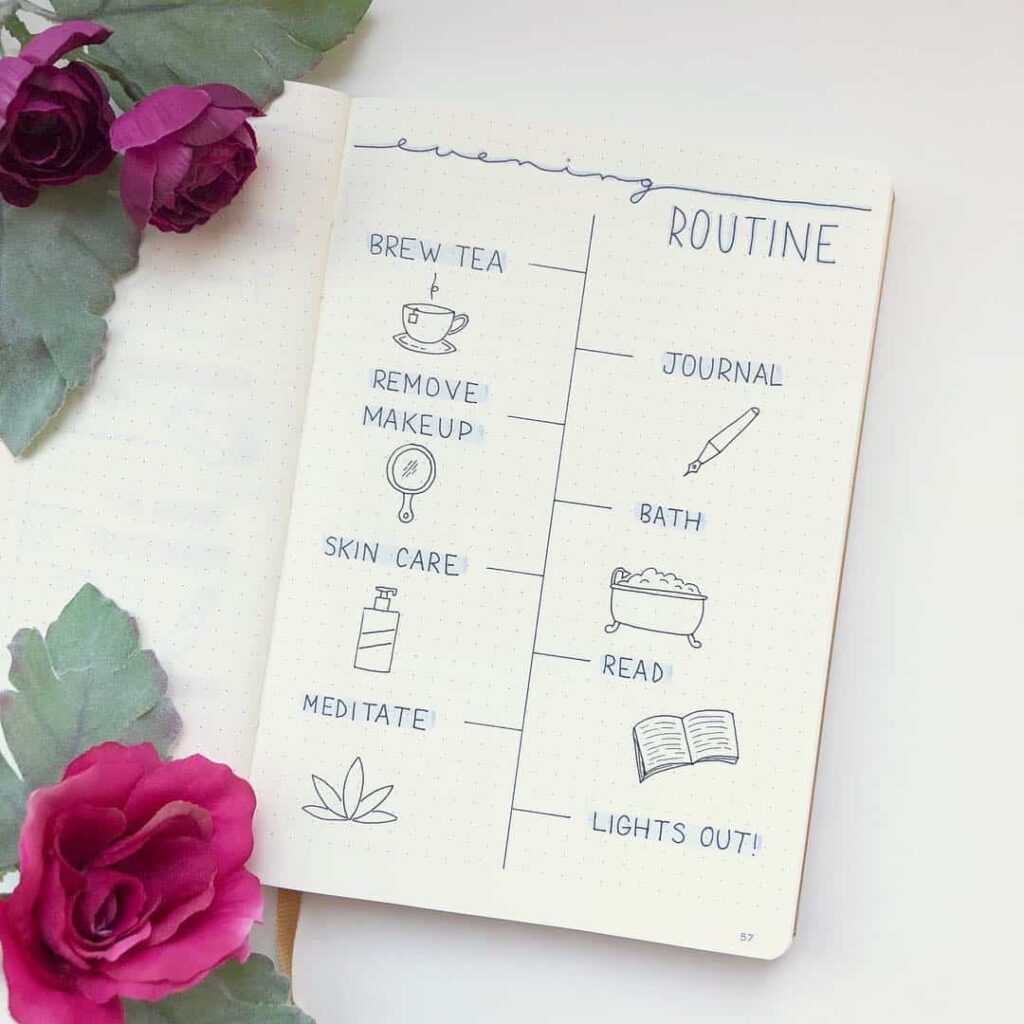
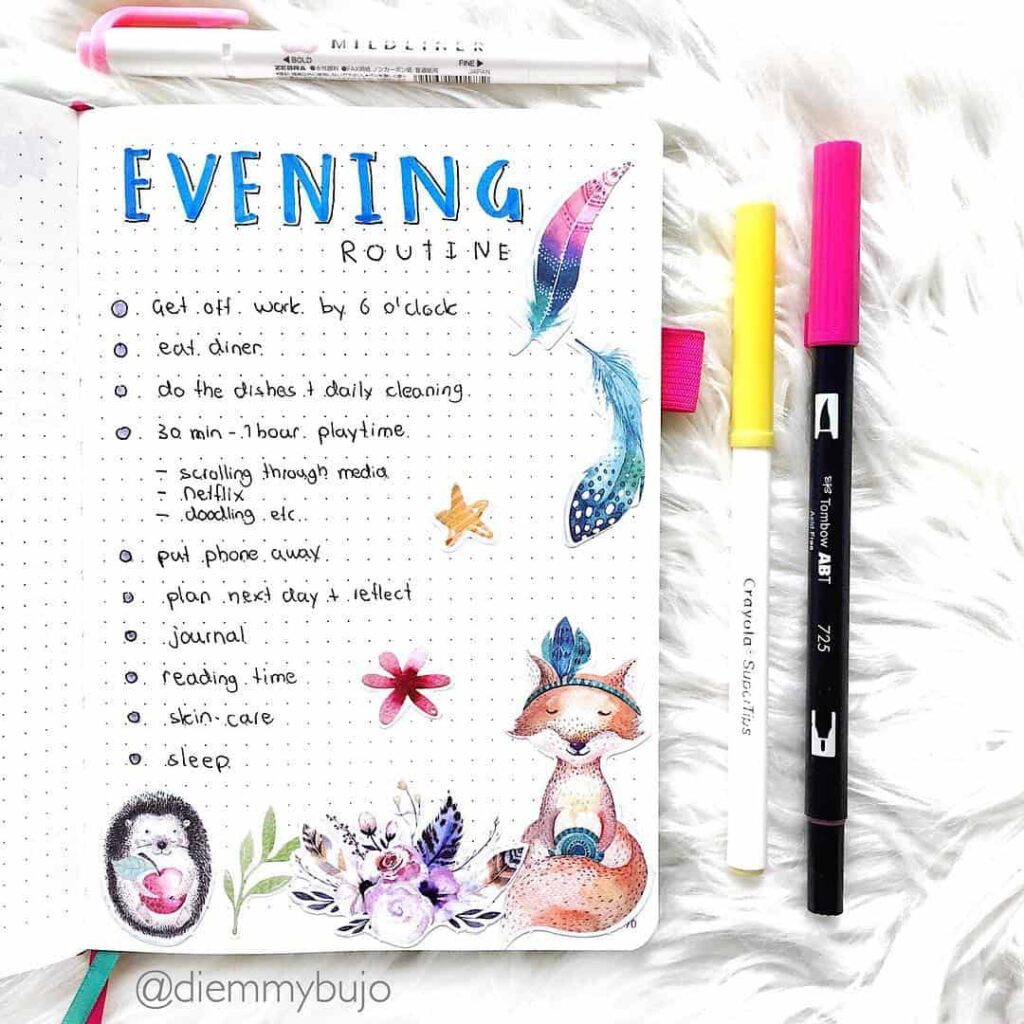
Evening routine spreads tend to be quieter pages than the morning version. The list is often shorter, the steps slower, and the purpose is generally to wind the day down rather than to launch the next one. Common entries include the dishes, a short period of tidying, a hot drink, a reading slot, and a fixed time for screens to go away. A few of the spreads pair the evening routine with a small reflection space at the bottom of the page.
The handover between the evening routine and sleep is one of the parts of the day a routine spread tends to address most carefully. A list that finishes at the bedroom door is more useful than a list that finishes earlier in the evening and leaves the wind-down to chance.
Weekly and weekend variations
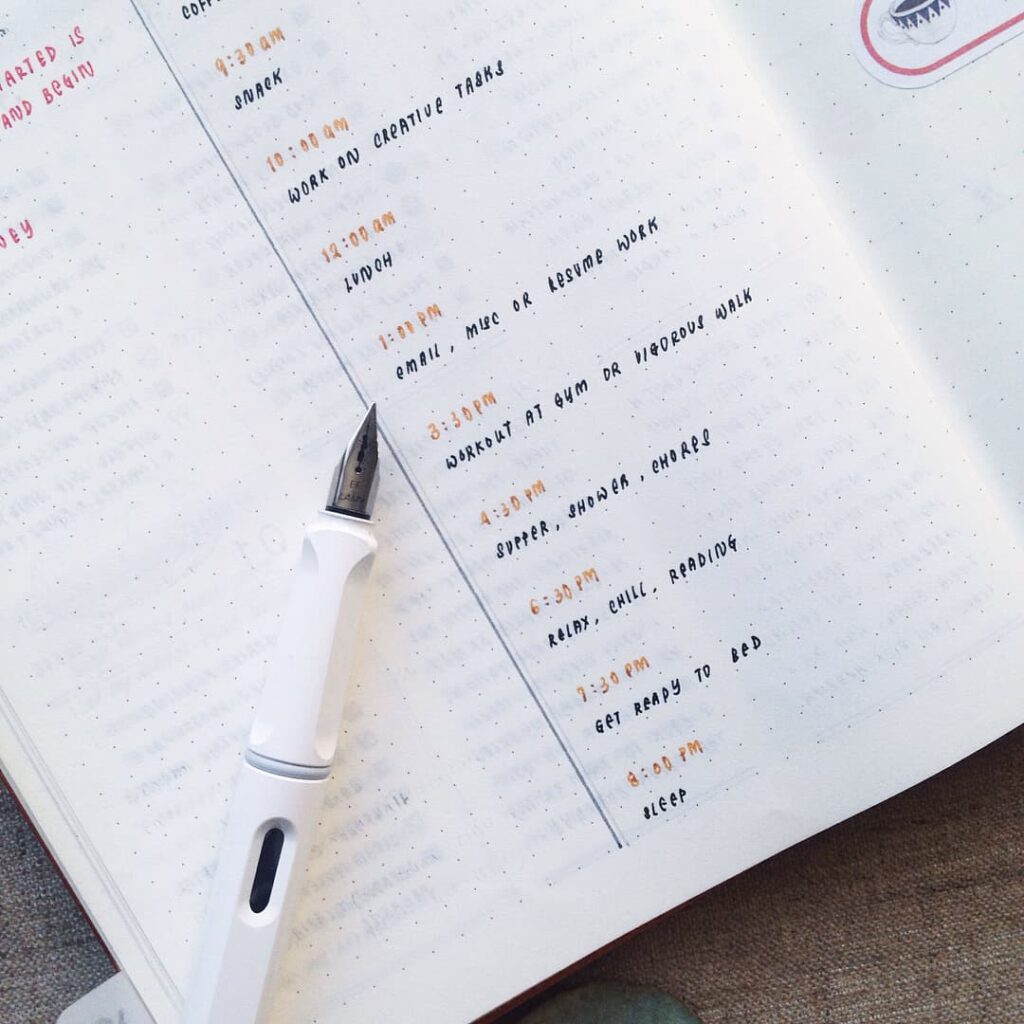
Routines change shape on the weekend, and several spreads below allow for that without trying to enforce the weekday routine onto a Saturday. The simplest variation is a separate weekend column with a shorter list of steps; the more involved is a full second page dedicated to the weekend routine, with its own set of priorities.
A weekly review page sometimes sits at the end of the routine spread. It is not strictly part of a routine, but it is the page that turns a single week of ticks and gaps into something a person can read back later. The review tends to be short: a few lines about what was done, what was missed, and what the next week might need.
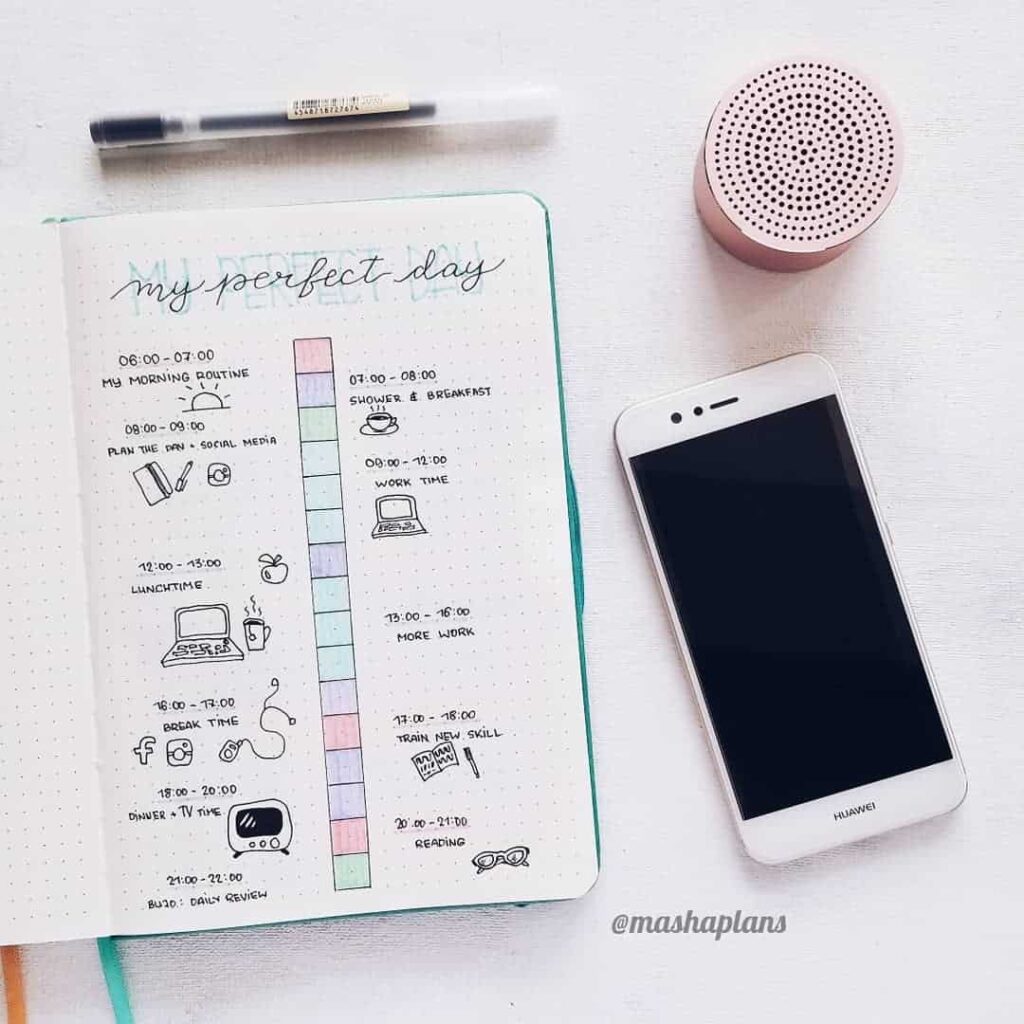
17 routine spreads from the My Inner Creative community
The spreads below come from the My Inner Creative community and cover morning routines, evening routines, weekly and monthly variations, and hybrid layouts that pair a routine list with a habit tracker.
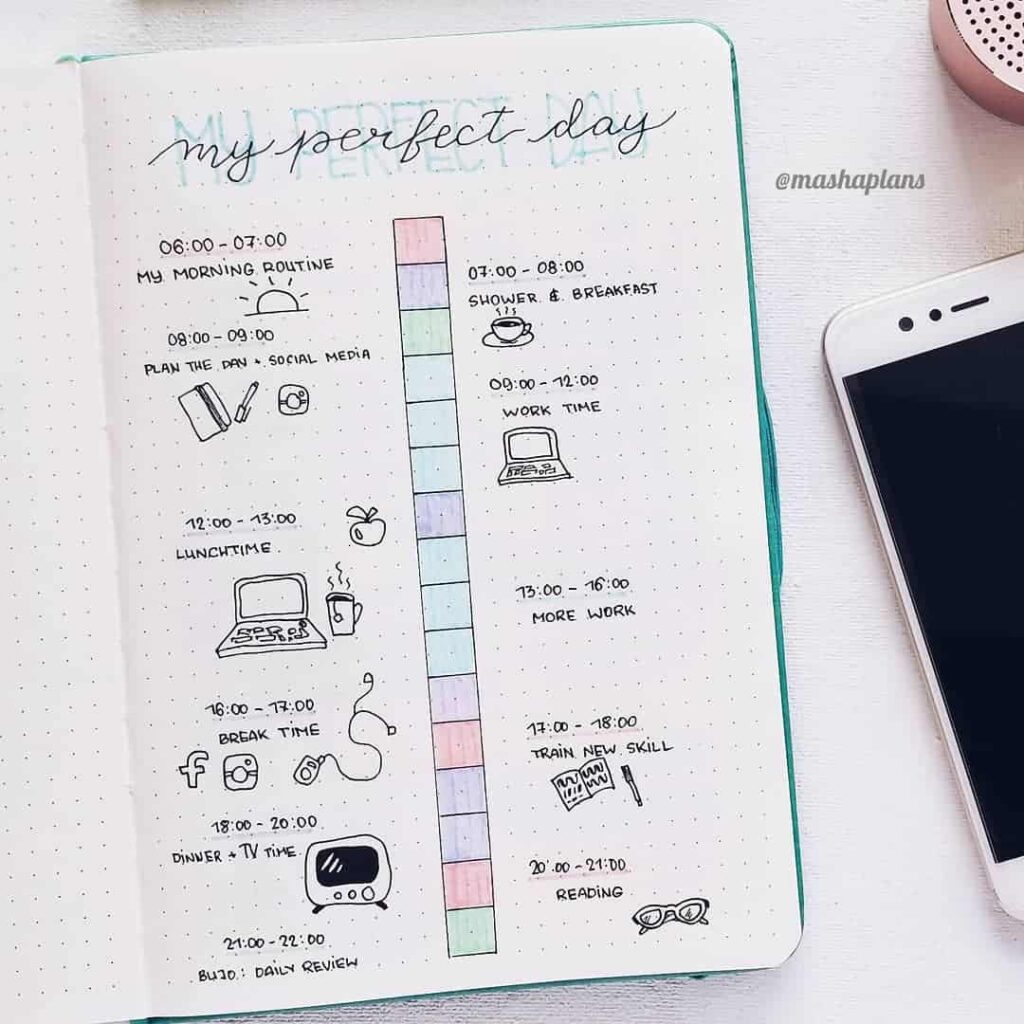
When looking through them, three variables account for most of the visible differences between pages: how many steps are in the list, whether the tick column runs daily or weekly, and how much decoration surrounds the functional part of the page. The content of the list matters less than those structural choices — a five-step morning routine tracked daily looks very different on the page from a ten-step one tracked weekly, even if both are serving the same purpose.
A few things worth noticing across the collection: the spreads that appear most used tend to be among the plainest. Heavy decoration and long step lists tend to appear together on pages that seem less worn in. That pattern is not a rule, but it is consistent enough to be worth paying attention to when deciding how to set up your own page. Start with fewer steps than you think you need and a simpler layout than you think you want — both are easier to add to than to subtract from once the routine is running.
Any spread here can be redrawn in a plain notebook with a pen and a ruler. The lettering and decoration in each is the journaler’s own preference, not a requirement of the format.


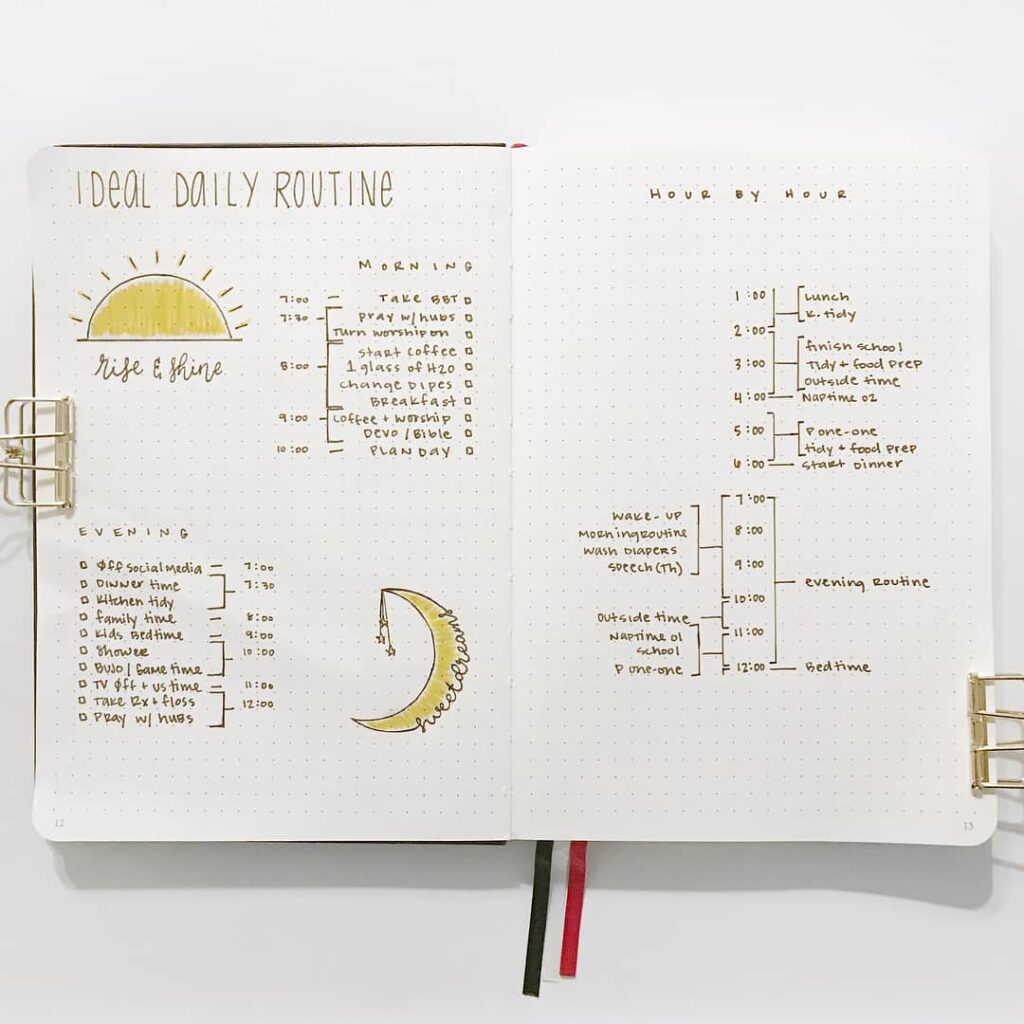
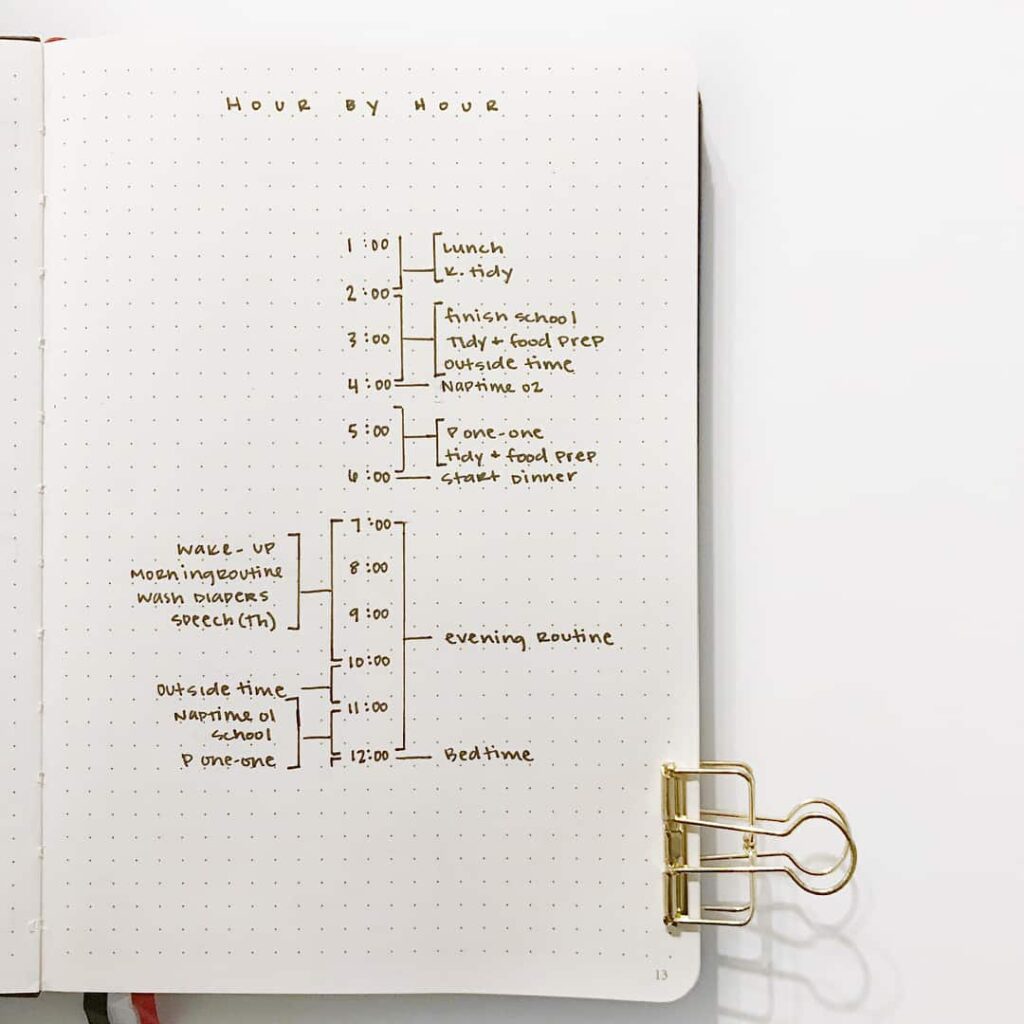
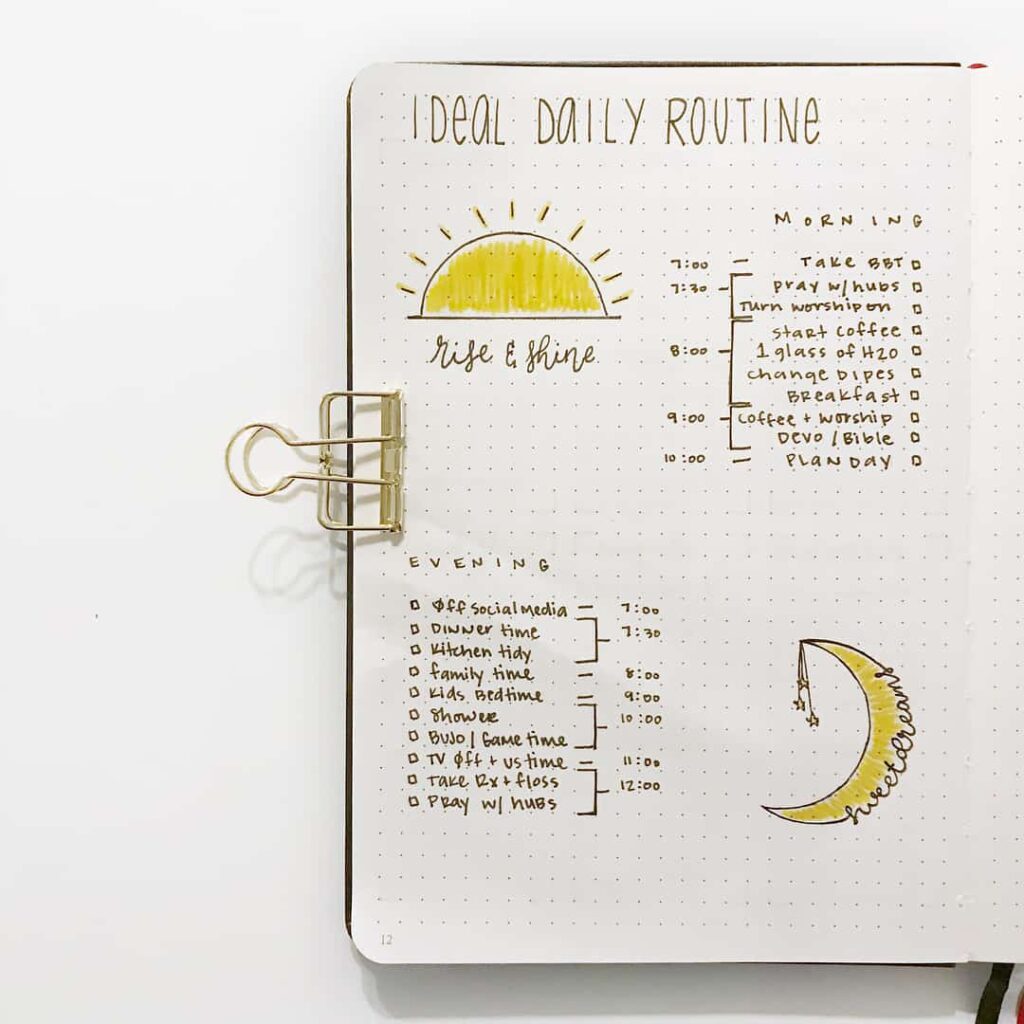
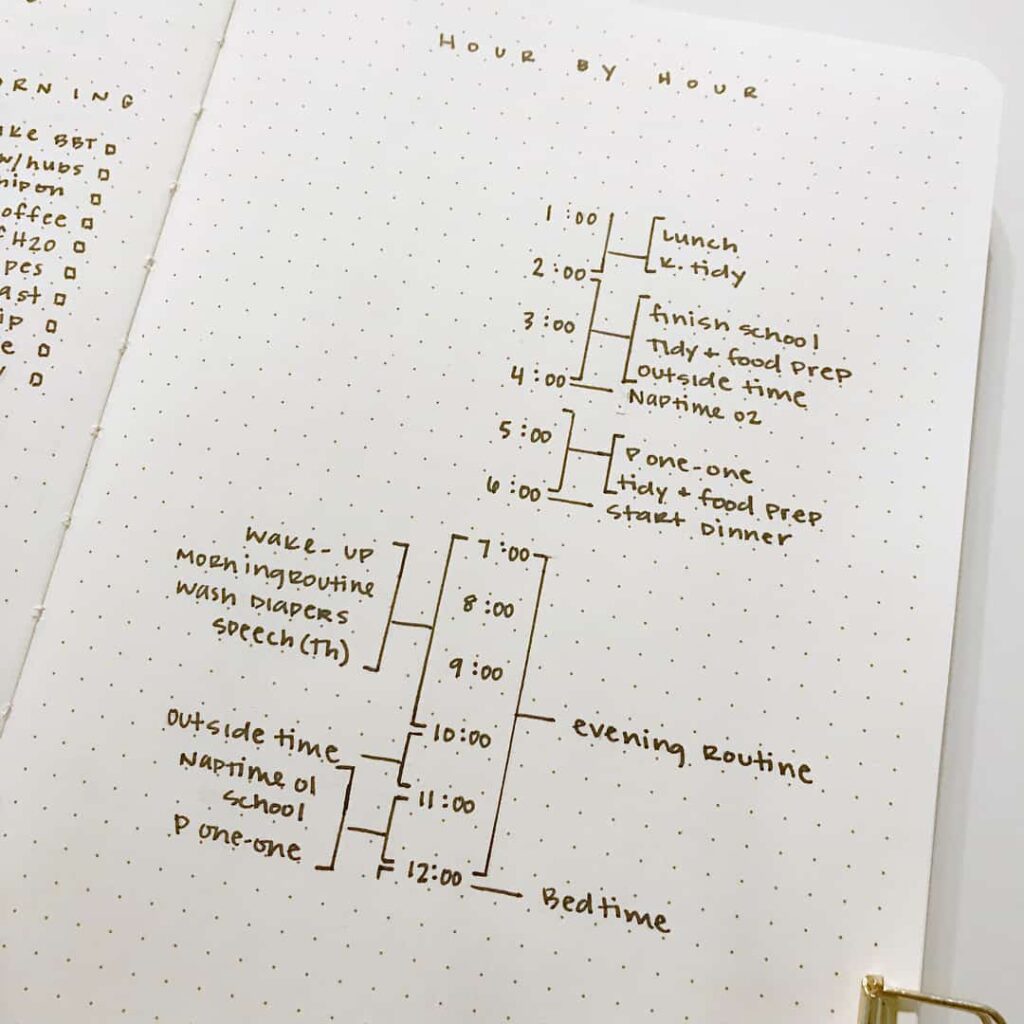





Setting up your own routine spread
The format is forgiving and the materials required are minimal — a notebook, a pen, and a ruler if you want straight lines. The steps below are a starting point rather than a prescription.
- Write the list first, on a scrap page. Put down every step you currently do or want to do, in the order they happen. Do not edit yet.
- Cut it down. A routine spread works best with five to eight steps. If your list is longer, identify the steps that most often get skipped and remove them — they can be added back later once the core routine is running reliably.
- Decide on your tracking period. A weekly tick column (seven boxes per step) fits on most notebook pages without crowding. A monthly column is possible but takes more space and is harder to fill in consistently before the month is out.
- Leave the decoration until last. Draw the list and the grid first in pencil, confirm the layout works, then add any headers or decoration. Redrawing a spread because the decoration ate the space for the tick column is a common first attempt problem.
- Run it for two weeks before changing anything. The first week of any new routine spread tends to look good. The second week shows you which steps are genuinely part of your day and which ones were aspirational.
The routine page does not do much in any single sitting. It is a list and a column of ticks, and the days when it is filled in completely look very similar to the days when it is filled in halfway. What the page provides over weeks and months is a small, visible record of how often the routine was followed, and of which steps in the sequence tend to fall away first when the week gets hard. Most of the spreads below are unremarkable to look at on any single day, and that is generally the sign that the routine they record has been working.