Editor’s note: This article was originally published on Eluxe Magazine and has been updated and republished in August 2026 under The Vessel’s editorial standards.
Hair coloring is one of the most routine steps in personal grooming — used to match a preferred style, refresh a fading tone, or cover emerging grey. Yet the formulas behind even the most familiar supermarket brands contain a range of chemical compounds that have drawn sustained scrutiny, some of it regulatory. For anyone looking to reduce that exposure without giving up color altogether, understanding what is actually in the bottle — and what makes one formula meaningfully different from another — is the right place to start.
What to look for on the label
The chemical that appears most frequently in safety discussions around hair dye is p-Phenylenediamine, commonly listed as PPD. It is a well-documented trigger for severe allergic reactions, and has been examined in the research literature in connection with bladder cancer — largely in studies of occupational exposure — and with effects on the lungs, kidneys, and nervous system. How much that evidence means for any given person depends heavily on how often they are exposed: the International Agency for Research on Cancer treats occupational exposure as a hairdresser or barber as probably carcinogenic to humans, while classifying personal use of hair dye as not classifiable as to its carcinogenicity. Formulating a permanent hair color without any PPD is extremely difficult, so the more meaningful measure for a consumer is concentration — and that varies widely between a conventional permanent dye and a formula built to keep chemical load down, where levels below 1% are typical.
Persulfates — including sodium, potassium, and ammonium persulfate — are used in hair dyes and bleaches at concentrations up to 60%. The fumes are toxic when inhaled, causing asthma and lung damage. The Cosmetic Ingredient Review Expert Panel’s amended safety assessment concluded that these persulfates are safe as oxidizing agents in hair colorants and lighteners designed for brief, discontinuous use followed by thorough rinsing from the hair and skin — a conclusion the Panel scoped to rinse-off use, having found the available data insufficient to judge these persulfates in leave-on products. The same assessment flags the potential for hives at concentrations above 17.5%, and documents sensitization among hairdressers.
Other ingredients worth checking the label for include:
- Resorcinol — rated 8 out of 10 for concern on the Cosmetics Safety Database; classified by the European Union as harmful, irritant to eyes and skin, and dangerous for the environment; may also disrupt hormonal function and has been associated with hypothyroidism
- Ammonia — irritant to the skin, eyes, and respiratory system, and capable of causing asthma and breathing difficulties; rated 3 out of 10 for toxicity on the Cosmetics Safety Database, and it compromises the structural integrity of the hair shaft
- Hydrogen peroxide — used in hair bleaches; corrosive; restricted in cosmetic use in Japan and Canada; animal studies have shown toxic effects on the nervous, respiratory, and digestive systems at low doses
- Lead acetate — long used in gradual-darkening hair color, and worth knowing about mainly because it is now off the table: the FDA withdrew its approval as a color additive effective January 2022, having concluded the evidence no longer showed a reasonable certainty of no harm. Lead has well-documented damaging effects on the brain and nervous system
- 4-ABP — linked in research to the development of cancer
A practical note for shoppers in the Americas: European and Japanese brands are often a useful reference point, as both the EU and Japan have banned a range of ingredients that remain permitted elsewhere.
Why greenwashing is a real concern in this category
As consumer awareness of these ingredients has grown, so has the use of green-sounding language in marketing. A product name or label that evokes nature does not automatically indicate a cleaner formula. Products flagged in past ingredient reviews of this category illustrate the pattern. L’Oreal Natural Match uses the word “natural” to refer to one’s original hair color rather than to any ingredient standard, which is easily misread as an ingredient claim. Garnier HerbaShine was flagged for containing bamboo and no ammonia while also including high levels of hydrogen peroxide and chemical fragrance. Clairol Natural Instincts was flagged as ammonia-free but containing other chemical agents, including parabens and hydrogen peroxide. Formulations change, so reading the current ingredient list — not just the front-of-pack claims — remains the most reliable approach.
It is also worth noting that fully permanent dark shades will, in most formulations, require some level of PPD. How much is permitted depends on the market. The European Union caps PPD at 2%, calculated as free base, in the mixture that is actually applied to the hair — which means a product sold to be combined with a developer can contain more than that in the bottle before mixing. The United States sets no equivalent numerical ceiling, because coal-tar hair dyes sit outside the approval regime that governs other color additives. Brands that prioritize lower chemical loads may bring the concentration down to 0.06% or below.
The regulatory gap worth understanding
In the United States, coal-tar hair dyes do not need FDA approval — unlike color additives in general. The agency cannot take action against such a product simply because it contains a potentially harmful ingredient, provided the packaging carries the legally required caution statement and adequate patch-test directions. That is a materially different arrangement from the approval rules that apply to other cosmetic color ingredients, and it places most of the assessment on the person holding the box.
Independent assessment is where the picture gets less reassuring. When the Environmental Working Group reviewed 560 hair dyes in its Skin Deep database in 2024, the median product scored 6 out of 10 for hazard, and only 4% scored green. Aromatic amines were among the most common ingredients of concern, a group the organization links to cancer and allergic reactions; the National Toxicology Program’s 2021 Report on Carcinogens lists several chemicals used in hair dyes as reasonably anticipated to be human carcinogens.
What the cancer evidence actually shows, and where pregnancy fits
Guidance on hair dye during pregnancy is more measured than it is often reported. The NHS describes the available research as showing that coloring hair while pregnant is generally safe, on the basis that the scalp absorbs little of the dye and exposure is to very low amounts, while noting that some people choose to wait until after the first twelve weeks as a precaution. Highlighting, where color is applied only to strands rather than to the scalp, reduces the exposure further.
On the broader cancer question, the evidence for personal use is genuinely mixed rather than settled. Pooled analysis has found that women who began using dyes before 1980 — before formulations were changed to remove carcinogenic compounds — were around 1.3 times as likely to develop non-Hodgkin lymphoma, with no overall increase observed among women who started after 1980, and a large prospective study reported no association at all. A 2014 pooled analysis found no evidence of increased bladder cancer risk from personal hair dye use. The clearer signal sits with sustained occupational exposure rather than with coloring one’s own hair. Anyone weighing this during pregnancy, or with a history of reacting to dye, is better served by a conversation with their own doctor or midwife than by a product label.
The best natural and organic hair dyes
The brands below have been selected based on their relative ingredient transparency, reduced chemical load, and availability to consumers online. Many salon-only formulas exist in this space as well, and are not covered here. Even within this selection, all permanent color formulas will involve some level of chemical processing — the goal is relative reduction, not zero exposure.
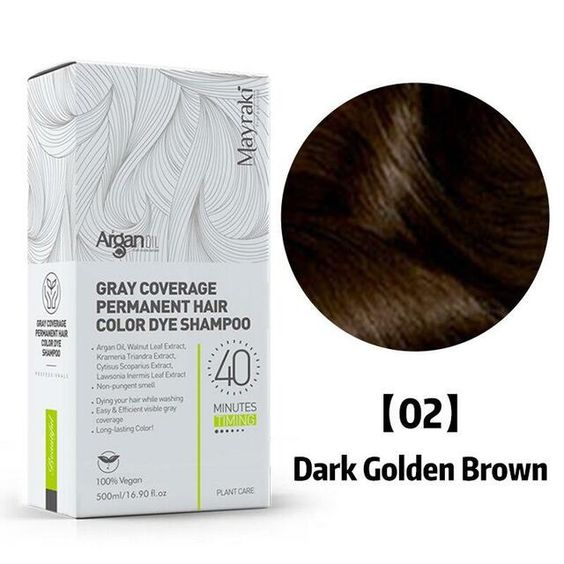
Mayraki hair dye shampoo
This plant-based grey coverage shampoo-format dye eliminates the mixing bowl entirely — the formula arrives pre-blended. It contains no ammonia, PPD, or resorcinol, and is formulated to suit sensitive skin. Application involves massaging the product into dry hair, leaving it for 40 minutes, and rinsing out. The conditioning formula is designed to color and nourish simultaneously, with the brand reporting improved thickness and shine alongside full grey coverage.
Natural rating: 10/10 — Color hold: 9/10 — Vegan: Yes — Price: approximately $35
A potential downside: the formula can produce lighter color at the roots than on the rest of the hair, an effect sometimes called “hot roots.” The brand’s application instructions include guidance on how to minimize this. The product is currently available in four shades.
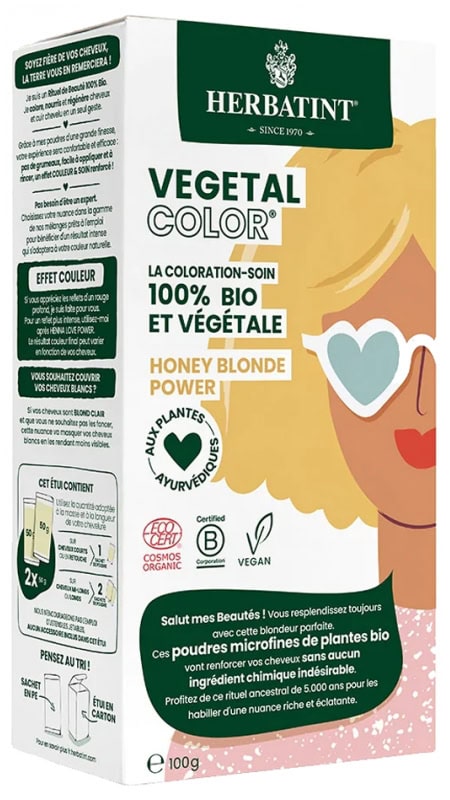
Herbatint vegetal
This Italian-made line is formulated from all-natural herb extracts including henna, rosemary, cinchona, and walnut husks, which together bring a natural, vibrant color to the hair. The brand is free from parabens, alcohol, ammonia, resorcinol, and synthetic perfume, though most shades do contain hydrogen peroxide. The formula is described as 100% vegan and halal. The two-bottle system — color in one, applicator in the other — allows for partial use and storage of the remainder, which means less waste and less money spent.
Natural rating: 8/10 — Color hold: 7/10 — Vegan: Yes — Price: approximately $15
The vegetal line offers a wide range of shades, including both standard and fashion colors with golden or red undertones. Grey coverage is present but is not as strong as the brand’s mainstream line, which does contain PPDs.
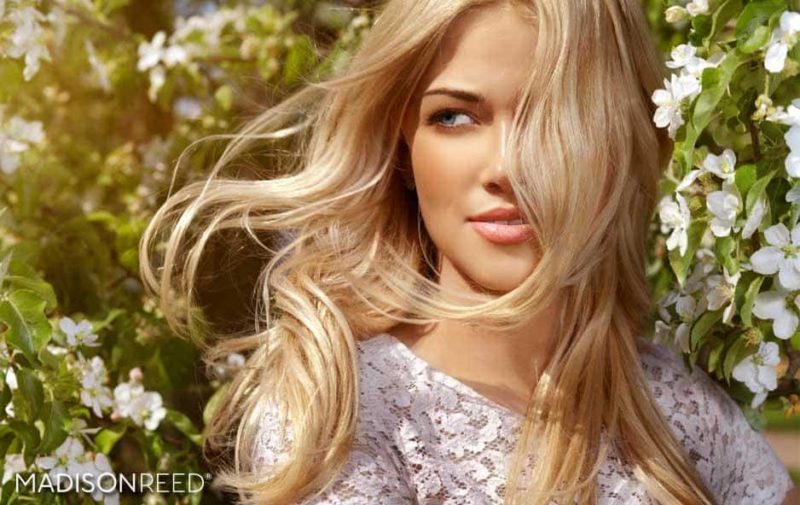
Madison Reed
Madison Reed uses smaller color molecules called micro-pigments, which create a gentler coloring process that does not require the brand to use ammonia to aggressively open the hair cuticle to deposit dye the way other brands do. The result is an absence of the harsh smell, burning, and itching that harsher chemicals tend to bring. All of the brand’s dyes are free from ammonia, parabens, resorcinol, phthalates, PPD, and gluten. Argan oil and natural keratin are included as conditioning agents; the brand notes these products are not vegan.
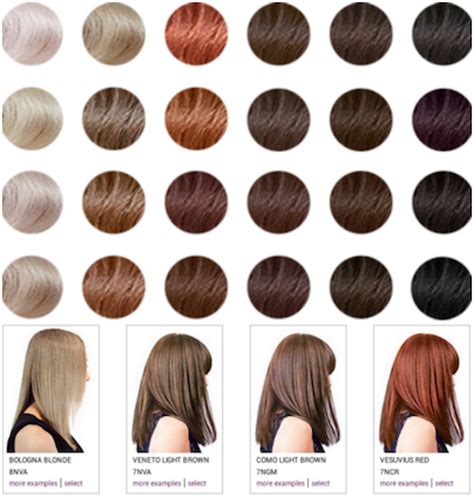
The range spans a broad spectrum of shades, from light blondes to deep blacks, all of which promise 100% grey coverage. A money-back guarantee is available for customers who are not satisfied.
Natural rating: 7/10 — Color hold: 10/10 — Vegan: No — Price: approximately $25
Some customers have reported hair loss following use, which may be related to the presence of ethanolamine in the formula. A patch test on the inner arm before full application is strongly recommended.
The Henna Guys
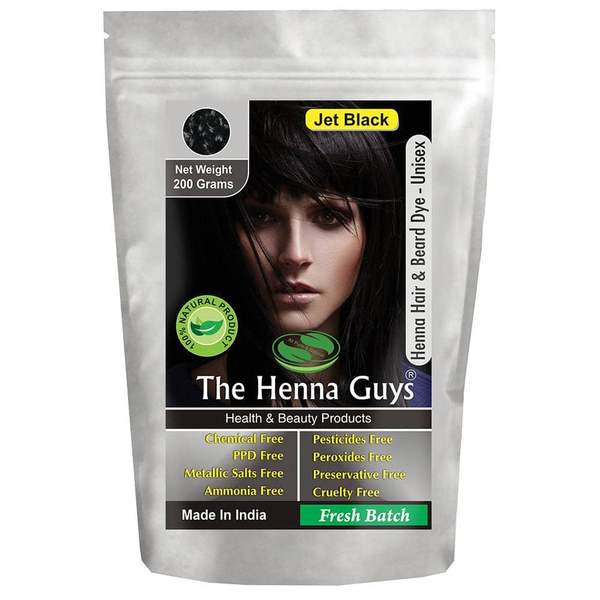
For those with sensitive skin, or those who are pregnant or breastfeeding, this certified organic formula is among the most conservative options available — and a semi-permanent plant dye of this kind is the alternative the NHS itself points to for anyone wanting to reduce exposure during pregnancy. It is a 100% natural hair color with no PPD, peroxide, or ammonia whatsoever. The brand uses premium certified organic herbs — primarily henna and indigo — to create a herbal hair color, and reports that the formula also helps resolve issues such as dandruff, dryness, and premature greying. The brand states that its pure henna powder covers grey hair completely while conditioning it.
Natural rating: 10/10 — Color hold: 8/10 — Vegan: Yes — Price: approximately $10
The product comes as a smooth, triple-sifted powder that is mixed with water to form a paste, which some users find messier than a ready-mixed formula. Henna-based dyes also darken hair and add a slight reddish undertone to the final color, which may or may not suit every preference.
ONC Natural Colors
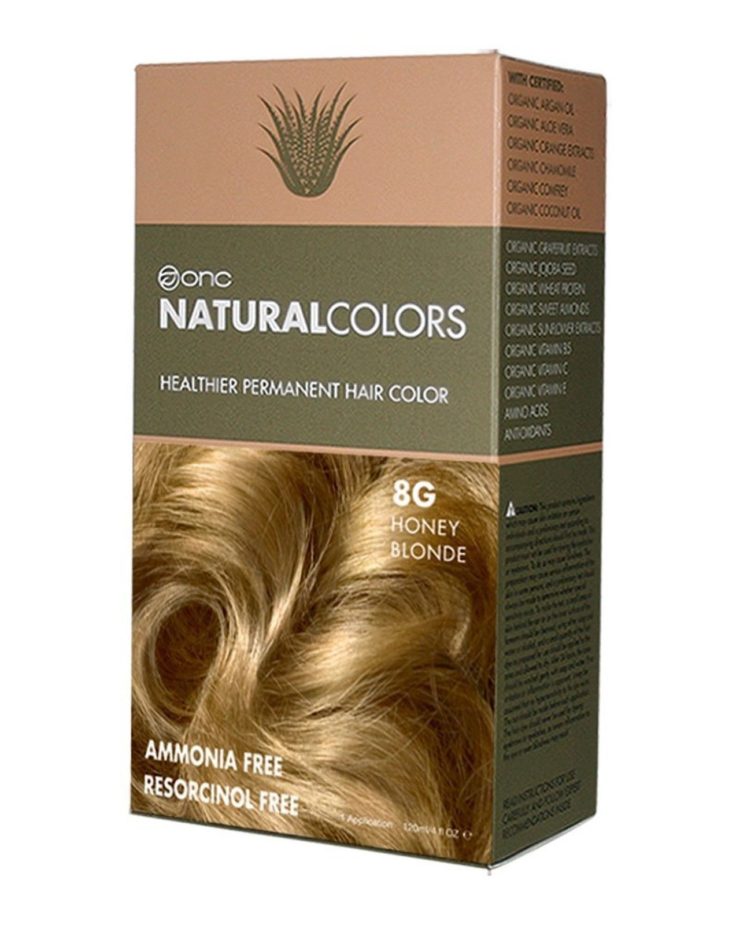
ONC Natural Colors uses a low-pH approach which, according to the brand, opens the hair cuticle with heat from a blow dryer rather than with a high-pH chemical agent that can damage both health and hair. Because the product functions as hair care and hair dye in one bottle, it nourishes the hair and scalp while changing the color. It is permanent and lasts as long as conventional chemical formulas.
Natural rating: 8/10 — Color hold: 9/10 — Vegan: Yes — Price: approximately $29.50
ONC Natural Colors offers one of the widest varieties of colors in this category, so most people should be able to find a close match. The per-unit cost is higher than some alternatives, which may be a consideration for those who color frequently.
Naturtint permanent hair color
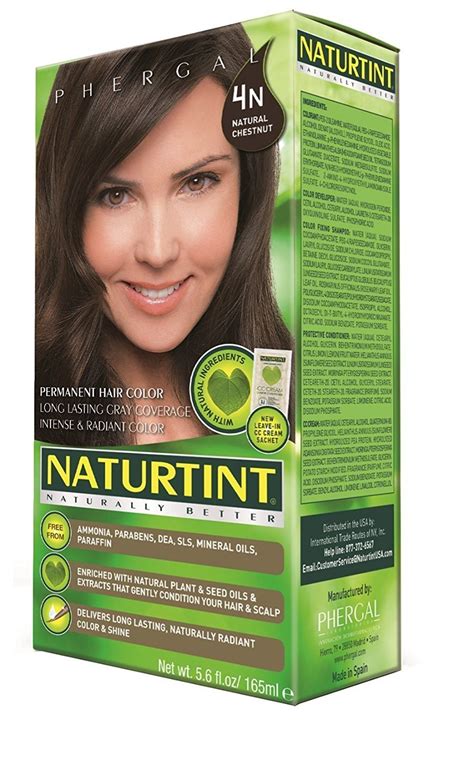
Naturtint is formulated without parabens, resorcinol, DEA, SLS, mineral oils, or ammonia. The brand describes its creamy, plant-based formula as suitable for use at any age, and it covers grey permanently regardless of how much of it there is. In three straightforward steps, the color can be applied to selected strands, to sections, or across the whole head — so ombre gradients and highlighted ends are possible alongside the standard options for brunettes and blondes. The formula contains oleic acid derived from olives, which provides anti-oxidation to protect the follicles.
Natural rating: 9/10 — Color hold: 8/10 — Vegan: Yes — Price: approximately $14.99
This is one of the few brands in this guide that does include hydrogen peroxide, which may be a consideration for those with a known sensitivity to that ingredient.
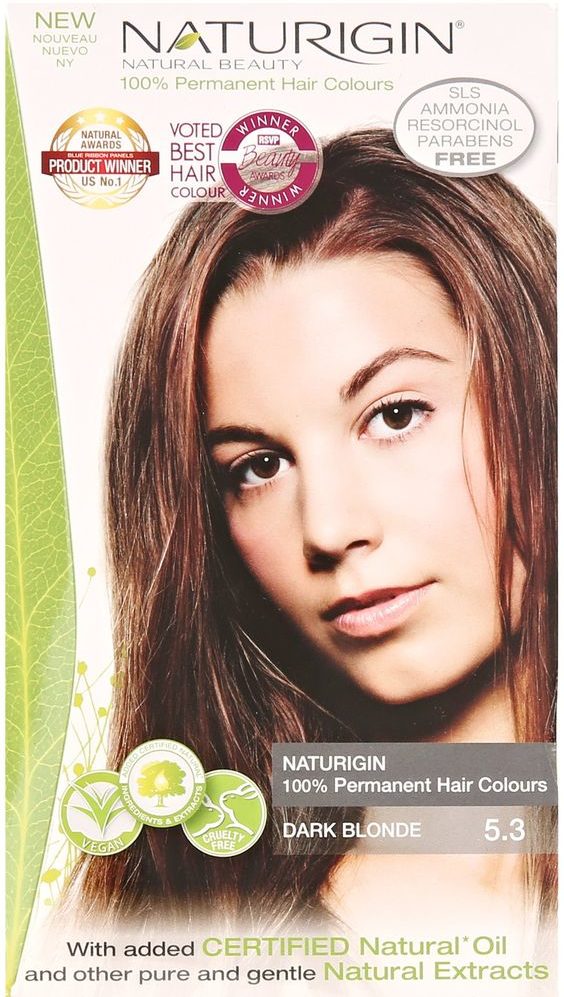
Naturigin permanent hair color
This Danish brand’s formulas are free from SLS, ammonia, resorcinol, and parabens. A naturally derived blend of certified organic lemon and mandarin essential oils, alongside ten additional pure and gentle organic extracts, is included to protect the hair during the coloring process. The formula is notably low in fragrance, with little to no strong fumes during application, which makes it a considered option for those with sensitivities.
Natural rating: 9/10 — Color hold: 8/10 — Vegan: Cruelty-free — Price: from $14.99
Because the formula is so gentle, the color may not last as long as other brands.
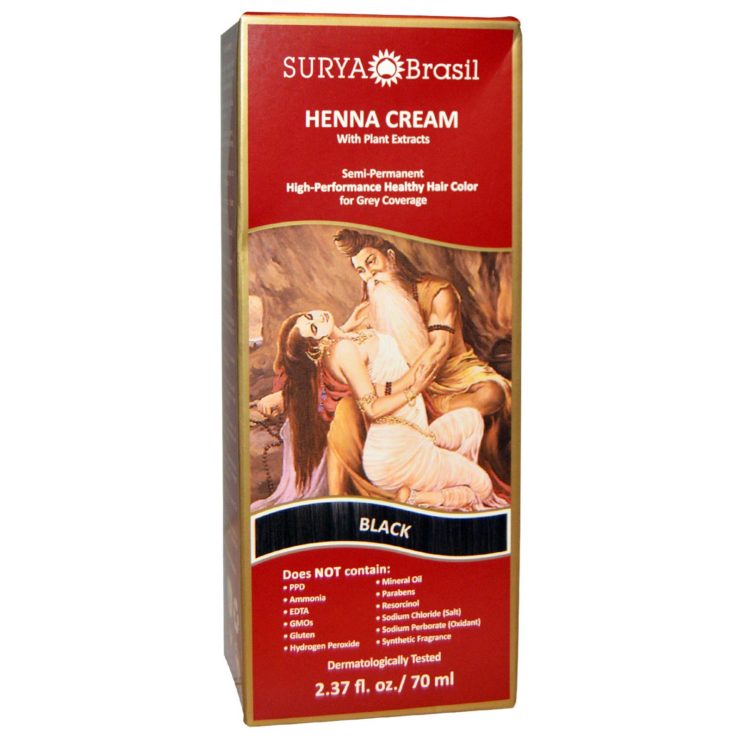
Surya Brasil
Surya Brasil is a henna-based formula enriched with botanical extracts sourced from the Amazon, including Brazil nut, Malva, and Babaçu seed oils, as well as organic chocolate extract. Henna is widely used as a hair conditioner: it adds shine and volume, shields the hair from damage, helps maintain the scalp’s natural acid-alkaline balance, and cleanses dirt. It is also credited with supporting hair growth and reducing hair loss and dandruff, though those are marketing-level claims rather than independently verified outcomes. This formula is also easier to work with than powdered henna products.
Natural rating: 10/10 — Color hold: 7/10 — Vegan: Yes — Price: approximately $20
Surya Brasil will cover grey, but those with more than 70% grey hair aiming for a black or dark brown result should plan on using two packages. Some users report that grey coverage falls short, and even the darkest shades require at least an hour and a half to begin penetrating grey hair.
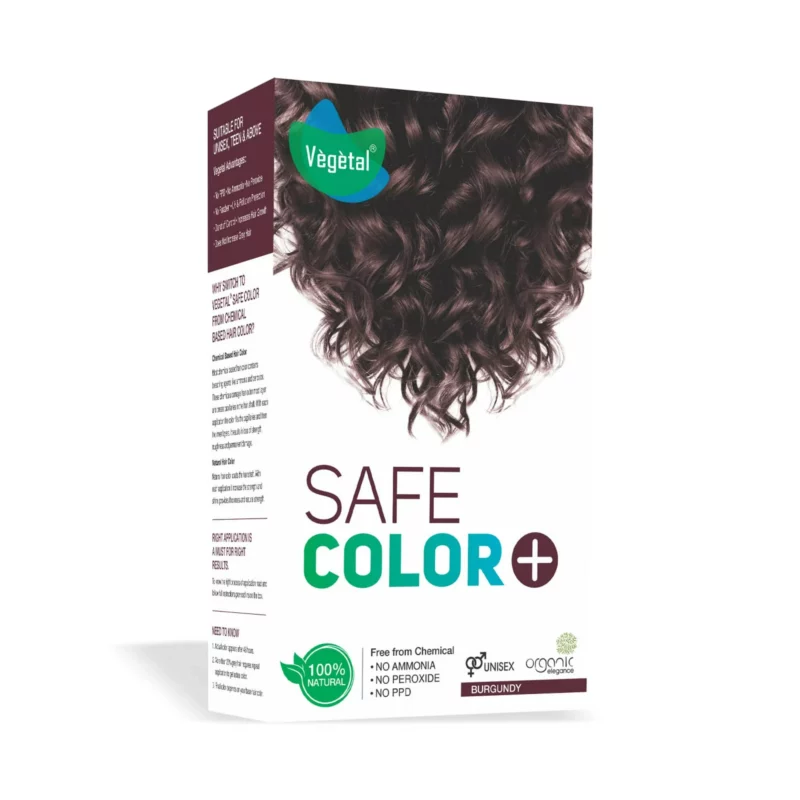
Vegetal Safe Color
Vegetal Safe Color arrives as a DIY mix powder, which makes application messier than a pre-mixed formula. The processing time is a commitment: the product needs at least 90 minutes to work. Those with a high proportion of grey hair should expect coverage to be incomplete.
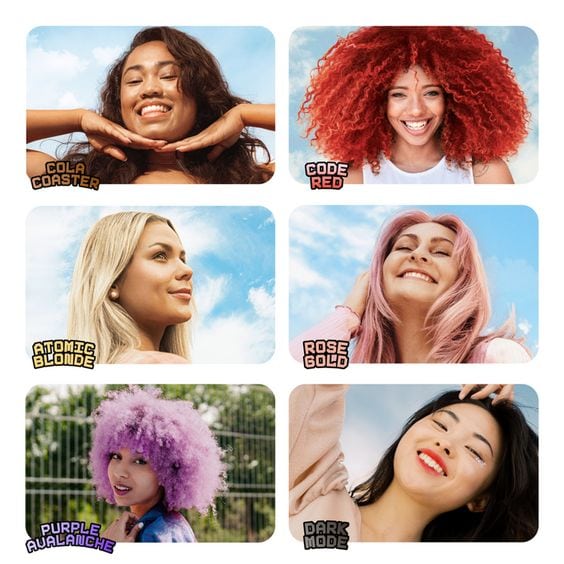
Hally Color Cloud foam
Hally’s Color Cloud is a foam-format hair color that is gentle on the hair, locks in color, and works across all hair types. It is ammonia-free and also free from sulfates, parabens, PPD, resorcinol, and gluten. Nourishing extracts — including chamomile, lavender, ginseng, and aloe — are included in the formula, though the product is not organic. The foam application method is mess-free and easy, which makes it one of the more practical options for a first-time home dyer.
Natural rating: 8/10 — Color hold: 6/10 — Vegan: Yes — Price: $22
The range is limited to six shades, spanning fantasy tones such as lavender and cherry red through to natural blonde and ash brown. Color hold is reported at up to 4–6 weeks, shorter than the permanent formulas elsewhere in this guide.
Before applying any formula
Regardless of how naturally formulated a hair dye claims to be, a color safety test — typically applied to the inner arm and left for 24–48 hours before full application — remains an important precaution, and in the United States the patch-test directions on the packaging are a legal requirement rather than a suggestion. Sensitivities can develop over time, even with products previously tolerated without incident. Reading the manufacturer’s application instructions fully before beginning matters just as much, particularly for powder-based or conditioning-style formulas where timing and technique affect the result.
None of these formulas take chemical processing out of the equation. They reduce it by degrees, and the degree is what the ingredient list tells you. Reading it is the part that does not change from one product to the next.